Quick answer: Patients from Uzbekistan, Kazakhstan, Kyrgyzstan and Tajikistan can apply online for India’s e-Medical Visa, while patients from Turkmenistan are not on the e-Visa list and need a regular medical visa through the Embassy of India in Ashgabat. Uzbekistan is one of India’s top five sources of medical travellers, with 8,921 medical arrivals in 2024 according to the Ministry of Tourism. Direct flights link Tashkent, Almaty, Bishkek, Dushanbe and Ashgabat with Delhi, usually in under four hours. Most large Indian hospitals that receive Central Asian patients offer Russian-speaking interpreters, and some offer Uzbek support too.
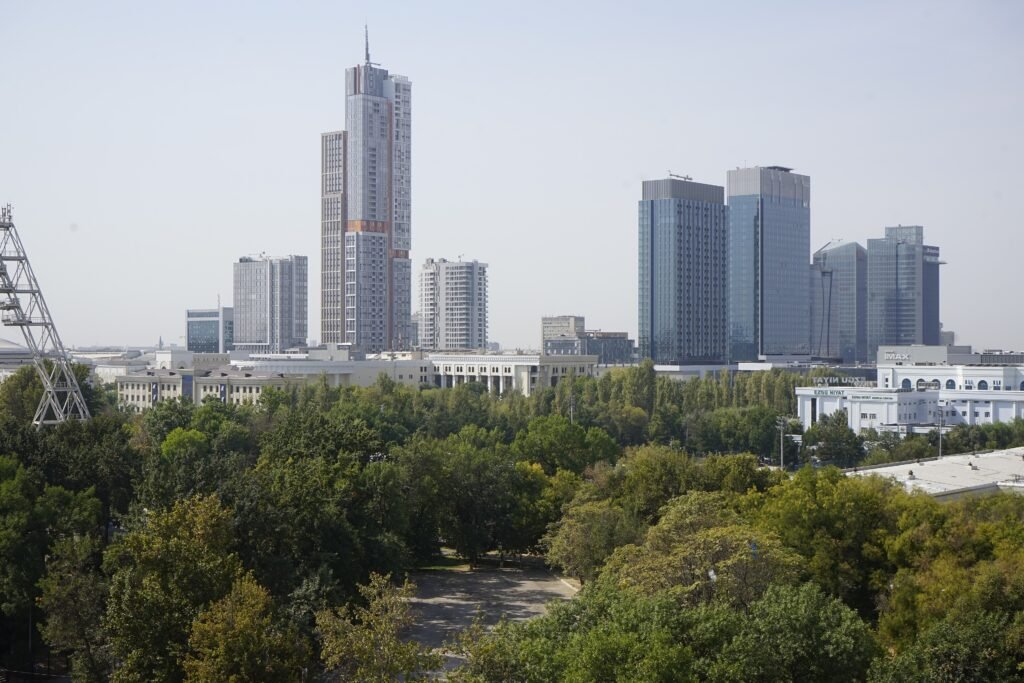
This guide is for families in Central Asia who are thinking about treatment in India. It covers the visa route for each of the five countries, flights, language help, food and weather, how to compare hospitals and costs safely, how to pay from abroad and how to plan follow-up once you are home. For the bigger picture, see our complete guide to medical tourism in India.
How many patients travel from Uzbekistan and Central Asia to India?
Uzbekistan is the largest Central Asian source of medical travellers to India and one of the top five worldwide. In a written reply to the Rajya Sabha on 7 August 2025, the Ministry of Tourism listed the top source countries for medical tourists over five years as Bangladesh, Iraq, Somalia, Oman and Uzbekistan.
| Year | Medical arrivals from Uzbekistan | All foreign medical arrivals in India |
|---|---|---|
| 2020 | 1,712 | 1,82,945 |
| 2021 | 3,847 | 3,23,748 |
| 2022 | 6,768 | 4,74,798 |
| 2023 | 7,081 | 6,59,356 |
| 2024 | 8,921 | 6,44,387 |
Source: Ministry of Tourism, Rajya Sabha Unstarred Question 2219 (7 August 2025). The same reply did not list separate figures for Kazakhstan, Kyrgyzstan, Tajikistan or Turkmenistan, so we do not quote numbers for them. Uzbek arrivals have grown every year since 2020, even when the overall total dipped slightly in 2024. More national figures are in our medical tourism statistics for India.
Visa, flights and language: the five countries at a glance
The table below was checked in October 2026 against the official e-Visa country list on indianvisaonline.gov.in and current flight schedule data. Airlines change routes and frequencies often, so confirm with the airline before you book.
| Country | e-Visa (e-Medical) eligible? | Typical flight route to India | Language support to ask for |
|---|---|---|---|
| Uzbekistan | Yes | Tashkent to Delhi direct (Uzbekistan Airways and Centrum Air; roughly 3 hours 45 minutes). Centrum Air also announced Tashkent to Hyderabad from March 2026. | Russian interpreters are widely available; Uzbek-speaking staff at some hospitals and their Tashkent offices |
| Kazakhstan | Yes | Almaty to Delhi direct (Air Astana; about 3.5 hours). From Astana, usually a connection via Almaty. | Russian; ask whether Kazakh is available |
| Kyrgyzstan | Yes | Bishkek to Delhi direct, limited weekly flights by Kyrgyz carriers (Tez Jet launched a weekly flight in December 2025). Otherwise connect via Tashkent or Almaty. | Russian; ask whether Kyrgyz is available |
| Tajikistan | Yes | Dushanbe to Delhi direct (Somon Air, about twice a week; under 3 hours) | Russian; ask whether Tajik or Persian (Farsi) speakers are available |
| Turkmenistan | No, not on the e-Visa list | Ashgabat to Delhi direct (Turkmenistan Airlines, about once a week) | Russian; ask whether Turkmen is available |
Which visa do you need?
Uzbekistan, Kazakhstan, Kyrgyzstan and Tajikistan: e-Medical Visa
All four countries are on the official list of e-Visa eligible countries at indianvisaonline.gov.in. According to that portal, the e-Medical Visa:
- is valid for one year from the date of arrival and allows multiple entries;
- can be applied for at least 4 days before arrival, within a 120-day window;
- allows up to two family members or helpers to travel on e-Medical Attendant Visas linked to the patient’s visa;
- works only through designated airports and seaports listed on the portal, so check that your arrival airport is on that list.
Apply only on the official government site. Many look-alike websites charge extra fees. You will normally need a letter from the Indian hospital explaining the planned treatment. Our medical visa guide for India explains each step and the documents in more detail.
Turkmenistan: regular medical visa through the Embassy in Ashgabat
Turkmenistan does not appear on the e-Visa country list, so Turkmen citizens apply for a regular medical visa. According to the Embassy of India, Ashgabat, you fill in the form online at indianvisaonline.gov.in, then submit it at the Embassy’s consular wing with photographs, your medical documents and the hospital’s invitation letter. The Embassy lists medical visa fees in US dollars and says fees are paid in dollars only. Allow extra time, because this route takes longer than an e-Visa.
Whatever your visa, read the conditions printed on it. Some visas require registration with the Foreigners Regional Registration Office (FRRO) after arrival. Your hospital’s international desk can tell you whether this applies to you.
Flights and arrival city
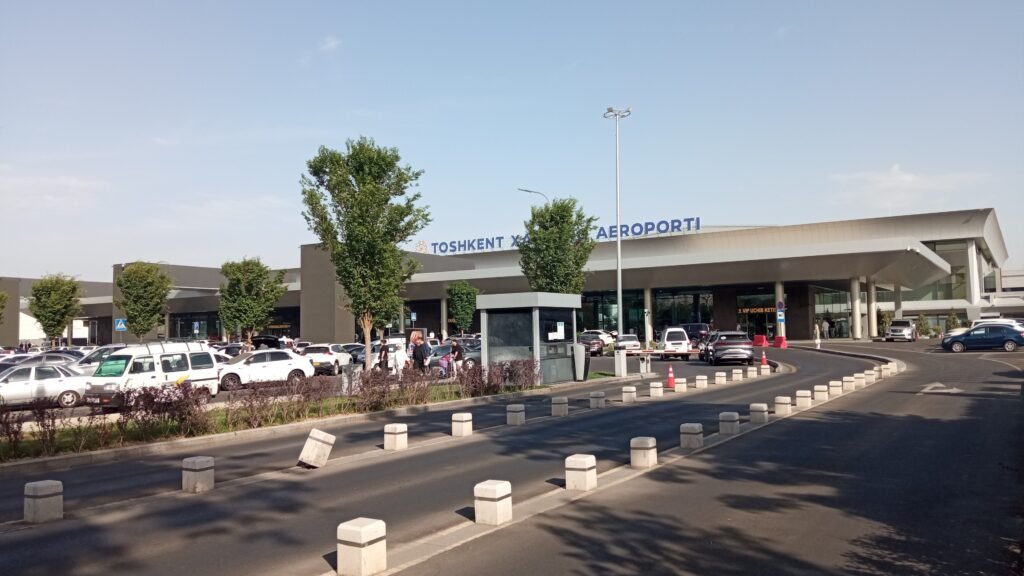
For most Central Asian patients, Delhi is the natural arrival point. It has the most direct flights from the region, and many large hospitals in Delhi and nearby Gurugram have long-running Russian-language international desks. Patients heading to South India for a specific doctor can connect onwards from Delhi. Uzbek patients may also find the new Tashkent to Hyderabad service useful.
Before booking, ask your doctor at home and the Indian hospital whether you are fit to fly, whether you need oxygen or a wheelchair, and how soon after treatment you can fly back. If the patient is very unwell, flying on a scheduled flight may not be safe. Our page on emergency medical evacuation to India explains the alternatives.
Interpreters: Russian, Uzbek and other languages
Language is one of the biggest worries for Central Asian families, and in practice it is usually well covered in Russian. A 2026 Business Today report described an interpreter at a large Gurugram hospital who works with patients from all five Central Asian countries and sees several patients a day. Hospital groups such as Fortis run information centres in Tashkent with Uzbek staff, and Manipal Hospitals advertises interpreters and coordinators for Uzbek patients.
Some practical points:
- Ask in writing which languages the hospital can provide, and whether the interpreter is a hospital employee or an outside agent.
- Make sure the interpreter is present for important moments: diagnosis, consent forms, surgery planning and discharge instructions.
- Ask for your discharge summary in English and keep a copy. If you need it in Russian or Uzbek for your doctor at home, ask early.
- Older patients who are more comfortable in Uzbek, Kazakh, Kyrgyz, Tajik or Turkmen should say so at the start, because these interpreters are fewer than Russian ones.
Read more in our guide to interpreter support for medical tourists in India.
What treatments do Central Asian patients come for?
Industry reporting and hospital pages aimed at Uzbek patients mention the same main areas again and again: liver disease and liver transplant, cancer care, heart surgery, brain and spine surgery, joint replacement, kidney transplant and fertility treatment. A BusinessWorld report linked part of the demand for liver care to the burden of hepatitis in Uzbekistan.
Our detailed guides can help you prepare questions for the hospital:
- Liver transplant in India and kidney transplant in India
- Cancer treatment in India
- Heart surgery in India
- Knee and hip replacement in India
Important for transplants: India has strict rules for foreign patients receiving an organ from a living donor. The donor is normally a close relative, and the national organ authority NOTTO publishes Form 21, a certificate of the donor and recipient relationship issued by the embassy concerned. Start this paperwork early with your hospital, because it takes time.
Food, prayer and daily life
Many Central Asian patients and their families prefer halal food, and many miss bread, meat dishes and tea from home. Large hospitals in Delhi and Gurugram that see many patients from the region usually provide halal meals, and some advertise Uzbek dishes. Ask the international desk before you travel, and ask whether the hospital can follow the patient’s medical diet as well.
For the family members staying outside the hospital, guest houses and serviced flats near big hospitals often have kitchens. Our guide to budget stays and food near hospitals has tips. Ask about a prayer room too; many large hospitals have one.
Weather: what to expect in Delhi
Delhi’s weather is very different from Tashkent or Almaty, even though winters in both places are cold. Plan for these seasons:
- April to June: very hot and dry. Heat can be hard for patients recovering from surgery, so keep outdoor time short and drink enough water.
- July to September: monsoon rain and humidity. Roads can flood, so allow extra time for hospital visits.
- October to March: milder days, but winter mornings can be foggy and air quality can be poor, especially from late October to January. Patients with lung or heart conditions should ask their doctor about masks and staying indoors.
South Indian cities have a warmer, more even climate all year round, which some families prefer for long stays.
Cost: compare carefully, do not trust headline prices
Treatment in India is often described as cheaper than in many other countries, but we do not publish a price comparison for Uzbekistan or Central Asia because we could not find reliable, official figures for it. The real cost depends on the diagnosis, the doctor’s plan, the type of room, the number of days in hospital, medicines, implants and any complications.
Instead of comparing advertised prices, do this:
- Send the same complete medical reports to two or three hospitals.
- Ask each for a written, itemised estimate that states what is included and what is not.
- Ask how much the estimate can change if the stay is longer or complications happen.
- Add costs outside the hospital: flights, visas, accommodation, food, local transport and follow-up tests.
Our guides to hospital costs in India and checking a hospital cost estimate explain what to look for.
How to choose a hospital
Choose the doctor and the department first, then the hospital. A well-known hospital name does not guarantee that every department is strong. Useful checks include:
- Accreditation such as NABH or JCI (see JCI vs NABH accreditation).
- How many cases like yours the team handles each year, and who will actually perform the procedure.
- A working international patient desk with Russian-language support.
- Clear written estimates and a named contact for questions after you go home.
Be careful with agents who push one hospital very hard or ask for payment in cash. Some agents earn commission from hospitals, which can affect their advice. A second opinion before you travel can help you decide calmly. Our list of the best hospitals in India for international patients is a good starting point.
Paying from abroad
Most large hospitals accept international bank transfers and international cards, and many ask for a deposit at admission. Before you travel:
- Ask the hospital for its official bank details in writing and confirm them by phone before sending money.
- Pay only into the hospital’s own account, never into a personal account.
- Tell your bank you will be paying abroad, and check your card limits and transfer fees.
- Keep every receipt and ask for an itemised final bill.
See how to pay a hospital bill in India for more detail.
Follow-up care after you fly home
Recovery continues long after the flight home, so plan it before you leave India. Ask the Indian team for a full discharge summary, the list of medicines with generic names, the schedule of follow-up tests, and warning signs that need urgent care. Check that your medicines are available in your home country, or carry enough with a prescription. Agree how you will send test results back to your Indian doctor, for example by email or video call, and share the summary with your local doctor. Our guide to follow-up after flying home has a full checklist.
How NEIMHAANS helps
NEIMHAANS is a non-clinical patient navigation service that has supported families travelling for treatment since 2007. We help Central Asian families organise reports, request and compare written hospital estimates, prepare visa documents, arrange stays near the hospital and plan follow-up, while all medical decisions stay with your doctors. We do not sell hospital packages. See our support packages or talk to us for free.
Sources
- Ministry of Tourism, Rajya Sabha Unstarred Question 2219 (7 August 2025): medical tourist arrivals and top source countries
- Government of India e-Visa portal: eligible countries and e-Medical Visa conditions
- Embassy of India, Ashgabat: visa information for Turkmen nationals
- NOTTO, Ministry of Health and Family Welfare: transplant forms including Form 21 for foreigners
- UzA (National News Agency of Uzbekistan): Centrum Air expands India routes, January 2026
- 24.kg: Direct flight connects Bishkek and Delhi, December 2025
- FlightsFrom: Tashkent to Delhi direct flight schedule data
- Business Today: why language translators matter in India’s medical tourism (August 2026)
- BusinessWorld: Indian healthcare expands in Uzbekistan
- Fortis Healthcare: Tashkent information centre for Uzbek patients
Frequently asked questions
Can citizens of Uzbekistan get an e-Medical Visa for India?
Yes. Uzbekistan is on the official e-Visa eligible country list at indianvisaonline.gov.in, so Uzbek patients can apply online for an e-Medical Visa, and up to two companions can apply for e-Medical Attendant Visas.
Can patients from Turkmenistan use the Indian e-Visa?
No. Turkmenistan is not on India’s e-Visa country list as of October 2026. Turkmen patients fill in the form online and submit a regular medical visa application at the Embassy of India in Ashgabat, with the hospital’s invitation letter and medical documents.
Is there a direct flight from Tashkent to Delhi?
Yes. Uzbekistan Airways and Centrum Air fly non-stop between Tashkent and Delhi, and the flight takes roughly 3 hours 45 minutes. Schedules change, so check current dates with the airline.
Do Indian hospitals have Russian or Uzbek interpreters?
Many large Indian hospitals that treat Central Asian patients have Russian-speaking interpreters, and some hospital groups have Uzbek-speaking staff or offices in Tashkent. Ask the hospital in writing which languages it can provide before you travel.
How many Uzbek patients travel to India for treatment?
According to India’s Ministry of Tourism, 8,921 foreign tourists from Uzbekistan came to India for medical purposes in 2024, up from 1,712 in 2020. Uzbekistan is among the top five source countries for medical travellers to India.
How much cheaper is treatment in India than in Uzbekistan or Kazakhstan?
There is no reliable official comparison, and the cost depends on the diagnosis, treatment plan and length of stay. The safest approach is to send the same reports to two or three hospitals and compare their written, itemised estimates, adding travel and accommodation costs.
This article is general information, not medical, legal, insurance or financial advice. Rules, schemes and hospital policies change, so always confirm details with your hospital, insurer or the relevant authority.