Quick answer: The safest way to pay a hospital in India from abroad is an international wire transfer (SWIFT) to the hospital’s official bank account, sent only after you have confirmed the account details by phone with the hospital’s international patient desk. Most large hospitals also accept international credit and debit cards at the billing counter, and some send secure online payment links. Cash is possible, but if you bring more than US$5,000 in foreign currency notes, or more than US$10,000 in total foreign exchange, you must declare it to customs on a Currency Declaration Form when you land. Always ask for a written estimate first, keep every receipt, and agree in writing how any unused deposit will be refunded.
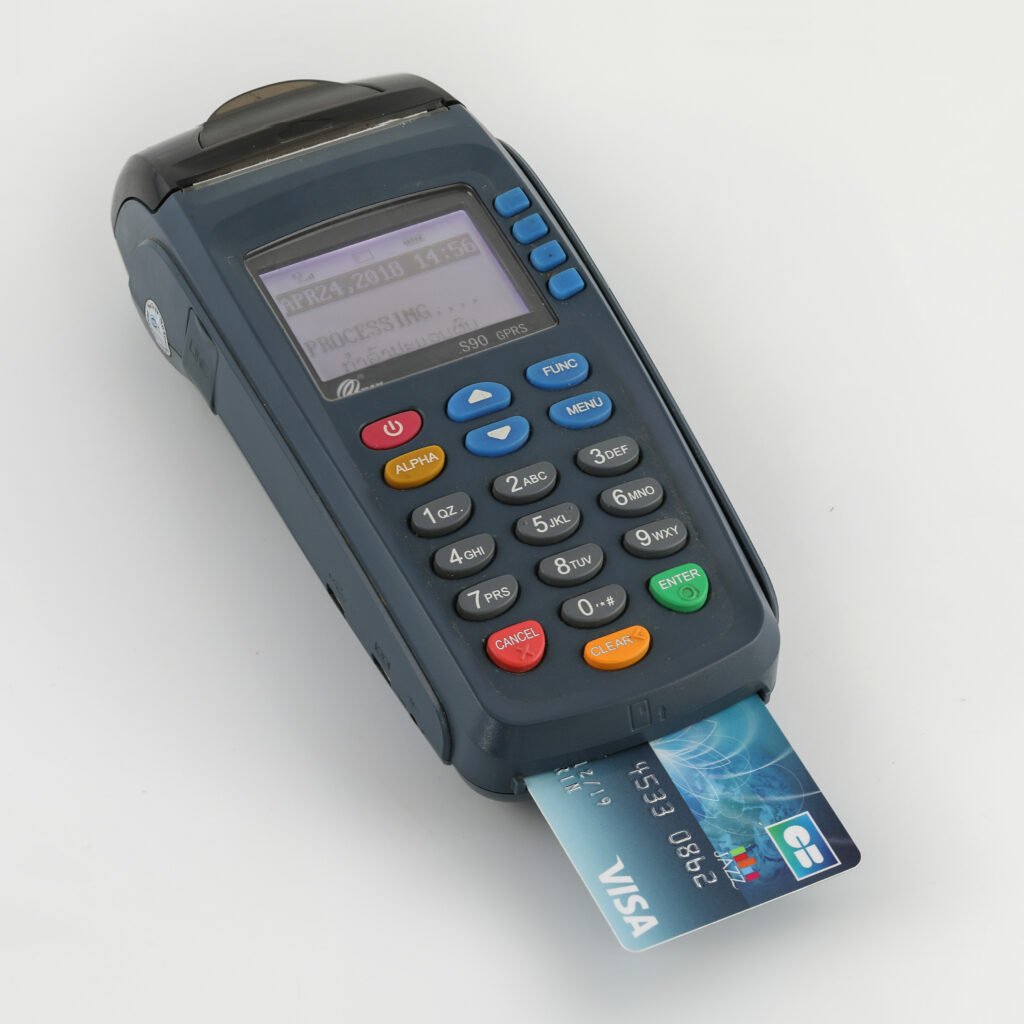
Paying for treatment in another country feels risky because large sums are involved and you cannot walk into the hospital’s accounts office before you travel. This guide explains each payment option, what it costs you, how deposits and refunds usually work, and how to avoid the scams that target families paying from overseas. If you are still at the planning stage, our complete guide to medical tourism in India covers the full journey.
Payment options compared
Most families use two or three methods together: a wire transfer for the advance deposit, a card for top-ups during the stay, and a small amount of cash for daily costs. The table below compares the main options.
| Method | Best for | Typical time | Costs to watch | Main risk |
|---|---|---|---|---|
| International wire (SWIFT) to hospital’s official account | Advance deposit before admission, large balances | Usually a few working days; one hospital states 3 to 4 working days | Your bank’s sending fee, intermediary bank fees, exchange-rate margin | Sending money to a fake account copied from an email |
| International credit or debit card at billing desk | Top-ups and final settlement during the stay | Instant | Foreign transaction fee and card exchange rate; some hospitals deduct card charges from refunds | Card blocked for a large foreign transaction, daily limit too low |
| Hospital online payment link or portal | Deposits when card payment is easier than a wire | Instant to 1 day | Same as card payments | Fake links sent by impostors |
| Foreign currency cash, exchanged in India | Small daily expenses, pharmacy, food | Immediate after exchange | Money changer’s rate margin | Loss or theft; customs penalties if not declared above the limits |
| Family or friends in India paying | Quick top-ups, local costs | Instant via UPI, cards or bank transfer | Usually low for the payer in India | Receipts issued in the wrong name for insurance claims |
1. International wire transfer (SWIFT)
A wire transfer from your bank at home to the hospital’s bank account in India is the most common way to pay an advance deposit. Hospitals that publish their payment rules, such as HCG, say a transfer usually takes a few working days and that the sending bank charges its own fees. Plan for that delay: if your admission date is fixed, send the deposit well before you fly, not the day before.
Before you send anything, ask the hospital for:
- The account name (it should match the hospital’s registered company or trust name, not a person’s name).
- Bank name, branch, account number, SWIFT code and any intermediary bank details.
- The patient reference or registration number to put in the payment description, so the money is matched to the right patient.
- Whether they want payment in US dollars or Indian rupees, and who bears the conversion.
After sending, email the transfer confirmation (often called the SWIFT copy or MT103) to the international patient desk and ask them to confirm receipt in writing.
2. International credit and debit cards
Large private hospitals generally accept Visa and Mastercard cards issued abroad, and many accept other networks too. The card must be enabled for international use. Call your bank before travelling to tell them you will make a large payment in India, check your daily spending limit, and ask what foreign transaction fee they charge. Some hospitals deduct card processing charges when they later refund a card payment; one Mumbai hospital’s published terms mention a deduction of up to 5% for card-related charges on refunds. Ask your hospital about this before paying a large deposit by card.
3. Hospital online payment links
Some hospitals have a payment portal on their official website or will email a secure payment link from their billing system. This is convenient, but only use links you reach from the hospital’s official website or that you have confirmed by phone. Our guide to paying hospital bills by UPI or credit card explains the local methods in more detail.
4. Bringing foreign currency cash
Carrying cash is legal, but there are rules. Under the Foreign Exchange Management (Export and Import of Currency) Regulations, as reprinted with the Currency Declaration Form in a February 2026 RBI notification, you must fill in a Currency Declaration Form (CDF) at customs on arrival if:
- your foreign currency notes are worth more than US$5,000 or equivalent, or
- your total foreign exchange (notes plus travellers’ cheques) is worth more than US$10,000 or equivalent.
Declare at the customs counter before you leave the arrival hall. Failing to declare can lead to the money being seized and penalties. Separately, a foreign visitor may bring in only a small amount of Indian rupee notes (a limit of ₹25,000 is cited by Indian banks), so bring foreign currency, not rupees.
Even if you bring cash, the hospital may not accept large amounts of it. Indian income tax rules (section 269ST) generally stop a business from receiving ₹2 lakh or more in cash for one transaction or event, which is why some hospitals cap cash payments just below that figure. In practice, cash works best for food, transport, medicines bought outside and other daily costs.
5. Exchanging money in India
Exchange foreign currency only at banks or money changers authorised by the Reserve Bank of India (RBI). Airport counters are convenient but rates vary, so compare. Ask for an encashment certificate or receipt each time you exchange: it proves the money came in legally and helps if you need to convert unused rupees back before leaving. Avoid street touts offering “better rates”.
6. Family or friends in India paying
If you have relatives in India, they can pay instantly by UPI, Indian card or bank transfer, and you settle with them separately. Ask the hospital to issue the receipt in the patient’s name, not the payer’s name, if you plan to claim on insurance at home. Non-resident Indians with an NRE or NRO account in India can often pay directly from that account.
Advance deposits before admission
Indian hospitals usually ask international patients to pay an advance deposit before or at admission, especially for surgery or long stays. The amount depends on the treatment and hospital, so there is no standard figure. Some hospitals require the advance a set number of working days before the procedure; one Mumbai hospital’s published terms ask for payment at least two working days in advance. During a longer stay, the billing desk may ask for further “top-up” deposits as costs rise.
Also check whether the hospital charges international patients a different tariff. Some hospitals publish a separate international tariff for non-Indian passport holders, and at least one Mumbai hospital states a surcharge on the gross bill for foreign nationals and NRIs. Ask directly so the final bill holds no surprises.

Proforma invoice and estimate letters
Before you pay anything, ask for a written estimate. Hospitals call this a proforma invoice, cost estimate or treatment plan with costs. It usually lists the procedure, expected length of stay, room category, and what is included and excluded. The same hospital letter (often called a visa invitation letter) is normally needed for a medical visa for India, and your bank may ask to see it before sending a large wire.
Read the estimate carefully. Check the currency, whether medicines, implants and consumables are included, and what happens if you stay longer. Our guide on how to check a hospital cost estimate walks through what to look for.
Refunds of unused deposits
If your final bill is lower than your deposit, or treatment is cancelled, you are usually entitled to a refund, but the rules vary. Points to agree before paying:
- How it is refunded: many hospitals refund to the original card, or to a bank account. Refunds to a foreign account can take longer than domestic ones.
- How long it takes: one Mumbai hospital states refunds of ₹20,000 or more are processed by bank transfer within 4 to 5 working days; international transfers and insurance cases often take longer. Ask your hospital for its own timeline in writing.
- Who pays charges: some hospitals state that foreign refund recipients bear the conversion and bank charges.
- Cancellation terms: some hospitals forfeit booking deposits if the patient cancels, and only refund when the doctor postpones for medical reasons.
Before discharge, ask the billing desk to calculate the refund and give you a refund form or acknowledgement. If you need an Indian bank account for the refund, a family member’s account with a cancelled cheque is sometimes accepted.
Receipts for insurance claims at home
If your health or travel insurer covers treatment in India, it will want original paperwork. Collect these before you fly home:
| Document | Why you need it |
|---|---|
| Final itemised bill | Shows each charge; insurers rarely accept a summary total. See how to ask for an itemised hospital bill. |
| Payment receipts for every deposit | Proves what you paid, when and how |
| Discharge summary | Explains diagnosis and treatment for the claim |
| Wire confirmations and card statements | Links your bank payments to the hospital receipts |
| Refund acknowledgement | Shows the net amount you actually paid |
| Pre-authorisation letter (if any) | Needed if your insurer agreed cover in advance |
Make sure the patient’s name matches the passport on every document. Read our guide on travel insurance for medical treatment in India to understand what most policies do and do not cover.
Bank fees and exchange rates
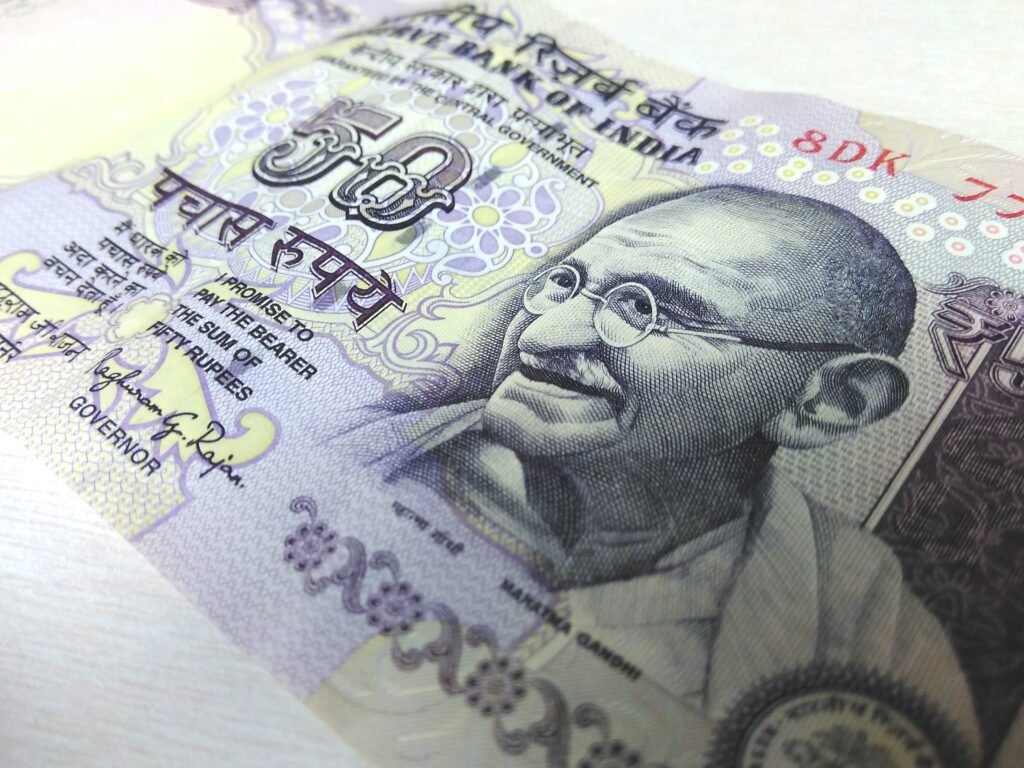
The price on the estimate is rarely the exact amount that leaves your account. Costs usually come from three places:
- Sending fees: a flat charge from your bank for an international wire.
- Intermediary fees: a correspondent bank may deduct a fee in transit, so the hospital receives slightly less. Ask your bank whether you can choose to pay all charges yourself (often marked “OUR”) so the hospital receives the full amount.
- Exchange-rate margin: banks and card networks add a margin to the market rate. Compare your bank’s rate with a licensed money-transfer service before sending a large amount.
If the bill is in rupees and you pay in dollars, pounds or dirhams, the rate can move between the estimate date and the payment date. Ask the hospital which currency the bill is in and keep a small buffer.
Is GST charged on hospital bills?
Healthcare services provided by a clinical establishment or doctor are generally exempt from GST in India. There are exceptions. A 5% GST applies to non-ICU hospital rooms costing more than ₹5,000 per day, and cosmetic or purely elective procedures are generally taxable. Medicines and items billed separately may also carry GST. If you see tax lines on your bill, ask the billing desk which items they apply to.
How to avoid payment scams
Families paying from abroad are a target for fraud because they rely on emails and messages. Common tricks include fake “updated bank details” emails, impostor agents asking for a deposit to “book a bed”, and messages from unknown numbers claiming to be the hospital. Protect yourself:
- Pay only to an account in the hospital’s own registered name, never to a person or an agent’s account.
- Verify bank details by calling the hospital on a number from its official website, not a number in the email.
- Treat any message saying the account has “changed” as suspicious until you confirm by phone.
- Do not pay a “bed booking” or “visa fee” to anyone other than the hospital or the official visa portal.
- Insist on an official receipt for every payment.
A good facilitator never asks you to route hospital payments through their account. Our guide to choosing a medical tourism concierge in India lists other warning signs. If you think you have been overcharged after treatment, see how to dispute a hospital bill.
How NEIMHAANS helps
NEIMHAANS is a non-clinical patient navigation service that has supported families travelling for treatment since 2007. We help you request and understand written estimates, confirm payment details directly with the hospital, keep track of receipts and refund paperwork, and organise the practical side of your stay. We do not handle hospital payments, give medical or financial advice, or sell treatment packages. See our support packages for details.
Sources
- Reserve Bank of India: Foreign Exchange Management (Export and Import of Currency) (Amendment) Regulations, 2026, with Currency Declaration Form
- HSBC India: Export and import of currency, customer awareness notice
- HCG Cancer Centre: Mode of payment for international patients
- Sir H. N. Reliance Foundation Hospital: Billing and charges
- P. D. Hinduja Hospital, Khar: Administrative terms and conditions
- SBI General Insurance: GST on hospital room rent
- Busy: GST on hospital bills and medical services
- TaxHeal: Section 269ST, cash receipts of ₹2 lakh or more
Frequently asked questions
What is the best way to pay a hospital in India from abroad?
For deposits and large amounts, an international SWIFT wire to the hospital’s official bank account is usually the safest option, after confirming the details by phone. For top-ups during the stay, an international credit or debit card at the billing desk is the most convenient.
How much foreign cash can I bring into India without declaring it?
You must fill in a Currency Declaration Form on arrival if your foreign currency notes exceed US$5,000, or your total foreign exchange including travellers’ cheques exceeds US$10,000. Below those amounts, no declaration is needed, but check the latest rules before you travel.
Do Indian hospitals accept foreign credit cards?
Most large private hospitals in India accept international Visa and Mastercard cards. Enable your card for international use and tell your bank about the large payment beforehand so it is not blocked.
How long does a hospital refund take for international patients?
It depends on the hospital and the refund method. Domestic bank refunds can take a few working days, while refunds to a foreign card or account usually take longer, so ask the hospital for its timeline in writing before you pay.
Is GST charged on medical treatment in India?
Healthcare services by hospitals and doctors are generally exempt from GST. Exceptions include non-ICU rooms costing over ₹5,000 per day, which attract 5% GST, and cosmetic procedures.
Can I get a hospital estimate before I travel?
Yes. Hospitals usually issue a proforma invoice or cost estimate after reviewing your medical reports. The same hospital letter is commonly used to support a medical visa application.
How do I know the hospital’s bank account is genuine?
Call the hospital’s international patient desk on a phone number taken from its official website and confirm the account name, number and SWIFT code. The account should be in the hospital’s registered name, never an individual’s name.
This article is general information, not medical, legal, insurance or financial advice. Rules, schemes and hospital policies change, so always confirm details with your hospital, insurer or the relevant authority.