The short answer: the best hospital in India for you depends entirely on your diagnosis, not on which name is most famous. Apollo, Medanta, Fortis, and Max Healthcare are all excellent, but each has a different area where it genuinely leads — and the wrong match wastes time and money even when every hospital involved is a good one.
Every year, patients from Nigeria, Kenya, Bangladesh, the UAE, the UK, Nepal, and dozens of other countries travel to India because the combination of cost, surgical volume, and accreditation is difficult to match elsewhere. Treatment that would run into six figures in the United States is routinely available in India for a fraction of that, at hospitals that hold the same JCI accreditation used to certify leading hospitals in the US and UK. That is not a marketing claim; it is a specific, checkable credential, and this guide shows you exactly how to check it.
What follows is organized the way a patient actually needs it: by condition first, then by cost, then by the practical steps — visa, travel, and what a facilitator does or does not do for you — so that by the end you know which hospital fits your situation and what to do next.
Why international patients choose India
Four factors show up again and again in patient decisions:
- Cost. Treatment in India typically runs 60–80% less than in the US or UK for comparable procedures, without a corresponding drop in accreditation or technology.
- Surgical volume. Because complex cases are routed through a relatively small number of specialist centres, surgeons at hospitals like Medanta or Fortis often perform certain procedures far more often per year than the average surgeon in a smaller Western hospital. Volume is one of the more reliable predictors of outcome in transplant and cardiac surgery specifically.
- Speed. Non-emergency procedures that might mean a months-long wait in a public health system elsewhere can often be scheduled within days of a treatment plan being approved.
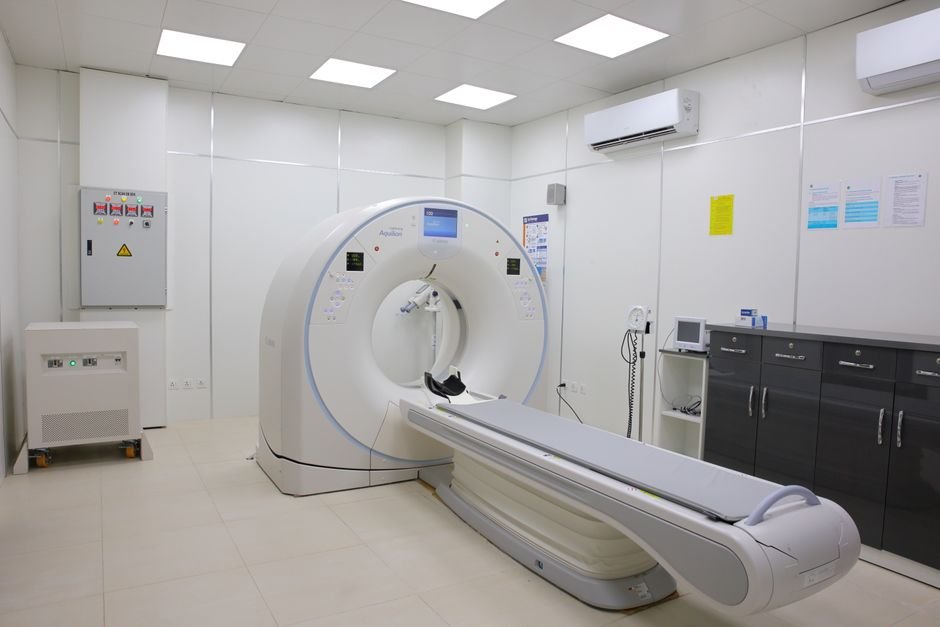
- Technology access. Some equipment and treatments — proton therapy, CAR-T cell therapy, intraoperative MRI suites — are available at a small number of Indian centres at a fraction of what the same technology costs to access in the US.
None of this means every hospital is equally suited to every condition, which is why the next section matters more than any ranking.
Which hospital fits your condition?
Rather than a single ranked list, it is more useful to think in terms of what each hospital is genuinely known for.
Medanta — The Medicity, Gurugram. One of the most clinically diversified hospitals on this list, spanning 30+ specialties with JCI and NABH accreditation. Particularly strong in cardiac surgery, liver transplant, and complex neurosurgery, with a dedicated international patient division handling visas, interpreters, and coordination from first inquiry to discharge. Patients from East Africa and the Gulf frequently choose Medanta specifically for complex, multi-system cases where several specialties need to coordinate closely.
Apollo Hospitals. India’s largest private hospital network, with 70+ locations across Delhi, Chennai, Hyderabad, Bangalore, and Mumbai. Home to the Apollo Proton Cancer Centre in Chennai, one of fewer than 100 proton therapy centres worldwide and the only one in South Asia. Apollo’s scale also means it is often a practical choice for patients who want the option to consult multiple specialists across cities without switching hospital networks entirely.
Fortis Healthcare. Treated patients from 175+ countries, with a particular strength in liver and kidney transplant — the network reports a kidney transplant success rate exceeding 95%. Fortis Escorts Heart Institute in Delhi is a dedicated cardiac centre handling everything from bypass surgery to paediatric cardiac cases, and its being a single-specialty unit often means more focused post-operative cardiac protocols.
HCG Cancer Centre. Unlike a general hospital with an oncology department, HCG treats cancer exclusively across 22+ centres with 450+ oncology specialists and in-house genomic labs — a model that often means faster diagnosis-to-treatment timelines and tumour boards with deeper, more focused experience in specific cancer types.
Kokilaben Dhirubhai Ambani Hospital, Mumbai. Known for its intraoperative MRI suite, allowing surgeons to verify tumour removal in real time during neurosurgery, plus a high volume of robotic surgical procedures across urology, gynaecology, and oncology.
Artemis Hospital, Gurugram. The first JCI-accredited hospital in Gurgaon, with a strong bone marrow transplant programme and established orthopaedic and cardiac departments, often positioned at a slightly lower price point within Delhi NCR’s JCI-accredited tier.
Rainbow Children’s Hospital and BirthRight, Hyderabad. The largest paediatric hospital network in India and South Asia, with a dedicated fertility arm (BirthRight) for IVF and high-risk pregnancy care, and deep neonatal intensive care support for complex paediatric cases.
Gleneagles Global Health City, Chennai. Runs one of the higher-volume liver transplant programmes in Asia, including complex and paediatric cases, and is part of the broader IHH Healthcare group with strong quality-assurance systems behind it.
How much does treatment in India actually cost?
Costs vary by hospital, surgeon, and complexity, so treat the figures below as a starting range to sanity-check any quote you receive — not a fixed price.
| Procedure | India (from) | USA | UK (private) |
|---|---|---|---|
| Cardiac bypass (CABG) | $5,500 | $80,000 | $18,000 |
| Liver transplant | $25,000 | $250,000+ | $28,000 |
| Kidney transplant | $14,000 | $150,000 | $20,000 |
| Bone marrow transplant | $18,000 | $200,000 | $25,000 |
| Total knee replacement | $6,000 | $45,000 | $9,000 |
| IVF (one cycle) | $3,500 | $15,000+ | $6,000 |
| CAR-T cell therapy | $45,000 | $400,000+ | N/A |
These figures usually cover the procedure and a standard hospital stay. Flights, companion accommodation, medication, and visa costs are typically quoted separately — ask for an itemised breakdown before you commit to anything, and be wary of any quote that seems unusually vague about what is and isn’t included. A trustworthy hospital or facilitator will not hesitate to break the number down for you line by line.
What JCI and NABH accreditation actually verify
These two credentials come up on almost every hospital website, and it is worth knowing what they actually mean rather than treating them as decoration.
JCI (Joint Commission International) is the same accrediting body that certifies leading hospitals in the United States. It independently audits surgical outcomes, infection-control protocols, and surgeon credentialing on a recurring basis — not a one-time badge, which means a hospital has to keep meeting the standard, not just pass it once.
NABH (National Accreditation Board for Hospitals) is India’s own national equivalent, covering similar ground with standards adapted to the Indian healthcare system, including infection surveillance, patient rights, and clinical governance.
A hospital does not need both credentials to be excellent, but you should always verify current accreditation directly on the JCI or NABH website rather than taking a hospital’s own claim at face value — accreditation status can lapse or change, and marketing pages are not always kept current. This takes about two minutes and is one of the highest-value checks you can do before committing to travel.
How the process actually works, step by step
- Share your diagnosis and reports. You do not need to travel to India for an initial opinion — most hospitals and facilitators review scans and reports remotely, usually via a secure link or WhatsApp.
- Receive a treatment plan and cost estimate. This typically takes 48–72 hours once a specialist has reviewed your case, and should include a specific procedure recommendation, not just a generic price range.
- Ask follow-up questions before committing. A good treatment plan invites scrutiny — ask about the surgeon’s experience with your specific condition, what happens if complications arise, and exactly what the quote includes.
- Apply for a medical visa. India’s e-Medical Visa is a distinct category from a tourist visa, and the hospital’s invitation letter is usually required for the application. Attendants apply separately for a Medical Attendant Visa.
- Arrange travel and accommodation. Many hospitals have partnerships with nearby hotels or guest houses used to hosting international patients and their families, often at negotiated rates.
- Travel and treatment. A dedicated international-patient coordinator typically manages logistics from airport pickup through discharge, including interpretation where needed.
- Recovery before travelling home. Depending on the procedure, you may need days to weeks of recovery time in India before your medical team clears you to fly — don’t book a return flight until this is confirmed.
- Follow-up care. Ask in advance how post-discharge monitoring and any complications are handled, and whether records are sent back to your doctor at home for continuity of care.

Documents to prepare before you reach out
Having these ready speeds up the initial review considerably: your passport details, existing medical reports and scans (in digital form if possible), a summary of your current medications and allergies, and a general sense of your budget range so the hospital or facilitator can recommend realistic options rather than a one-size-fits-all package. If you have prior imaging on a CD or in a hospital portal, ask for a digital export well before you plan to travel — this step alone can take longer than people expect.
A note on facilitators
Many patients use a medical tourism facilitator to coordinate hospital matching, visas, and travel. Reputable facilitators are paid a coordination fee by the hospital, not by marking up your treatment cost — ask any facilitator to confirm this in writing before you proceed, and be cautious of anyone who won’t. A good facilitator should also be willing to explain exactly which hospitals they work with and why, rather than pushing you toward a single option regardless of your condition, and should be transparent about what happens if a treatment plan changes once you’re already in India.
Questions worth asking before you choose
- How many procedures of this specific type does the lead surgeon perform per year?
- What is the hospital’s current JCI or NABH accreditation status, confirmed independently?
- What does the quoted price include and exclude, in writing?
- How are complications or an extended stay handled, cost-wise?
- Is a remote second opinion available before you commit to travel?
- Will you receive a discharge summary detailed enough for your home doctor to continue your care?
- How is the facilitator, if you use one, compensated?
New to the topic? Start with our complete guide to medical tourism in India.
Frequently asked questions
Is India safe for medical treatment as a foreigner? India’s JCI-accredited hospitals are held to the same clinical standards used in the US and UK, and most maintain dedicated international patient departments with English-speaking staff. As with any major medical decision, it is worth verifying accreditation and getting a second opinion where the diagnosis is serious or the treatment plan is invasive.
How do I know which hospital is right for my condition? Match the hospital to the specific procedure rather than to brand recognition — the specialty breakdown earlier in this guide is a starting point, and a facilitator or the hospital’s own specialist team can confirm fit once they’ve reviewed your reports.
Do I need a companion to travel with me? Most hospitals recommend it, particularly for major surgery, and can help arrange nearby accommodation for a companion.
What happens if there’s a complication? Ask this question directly before booking — a hospital or facilitator that can’t give you a clear answer about how extended stays or additional procedures are handled is a warning sign, not a detail to skip.
Does insurance cover treatment in India? Some international health policies do; most standard travel insurance does not cover planned procedures. Confirm with your insurer before travelling, and keep an itemised cost estimate on hand to support any claim.
How long does the whole process take from first contact to discharge? This varies enormously by procedure — a straightforward diagnostic consultation might take days, while a transplant workup, surgery, and recovery period can run several weeks. Ask for a realistic timeline specific to your condition rather than relying on a generic estimate.
Can I get a second opinion before committing to travel? Yes — most major hospitals and facilitators offer remote specialist review of your existing reports and scans before you book anything, and this is worth doing for any serious diagnosis.
What language will my care team speak? English is the standard language of medical communication at India’s major private hospitals, and many international patient departments also offer interpretation in Arabic, French, or Swahili depending on the hospital’s typical patient base.
Is it normal to feel overwhelmed by the number of hospital options? Yes, and it’s a reasonable reaction — narrowing by condition first, as this guide does, is a more manageable approach than trying to compare every hospital on every dimension at once.
This guide is intended to help you compare options and ask better questions — it is not medical advice, and any treatment plan should be confirmed directly with a qualified specialist reviewing your specific case. Share your diagnosis and reports with our team for a personalised hospital match and cost estimate.