The short answer: total knee replacement in India typically starts around $6,000 and hip replacement around $7,000, against $40,000–$45,000 in the US. Joint replacement is one of the more cost-predictable procedures for international patients, with recovery protocols that are well established worldwide and a large enough case volume in India that surgical teams see a wide range of patient profiles and complexity levels every month.
Cost comparison
| Procedure | India | USA | UK |
|---|---|---|---|
| Total knee replacement | $6,000 | $45,000 | $9,000 |
| Hip replacement | $7,000 | $40,000 | $12,000 |
| Bilateral knee replacement | $10,000–$12,000 | $80,000+ | $16,000+ |
| Revision joint replacement | $9,000–$12,000 | $60,000+ | $18,000+ |
| Shoulder replacement | $7,000–$9,000 | $50,000+ | $14,000+ |
What drives the cost difference
Implant cost, surgeon fees, and hospital overhead are all lower in India than in the US or UK. The implants themselves are frequently sourced from the same international manufacturers used globally — ask your surgeon which brand and model is being used so you can research it independently if you wish. Unlike in some healthcare systems, the specific implant brand and price point is usually something you can discuss and even influence within reason, since several manufacturer options may be available at a given hospital.
Leading centres
Artemis Hospital, Gurugram. Offers robotic-assisted joint replacement for patients where the added precision is clinically appropriate, alongside a well-established general orthopaedic programme and a strong overall JCI-accredited safety record.
Wockhardt Hospitals, Mumbai. The first hospital in Mumbai to introduce robotic joint surgery, with more than 3,200 bone and joint patients treated to date, and three decades of broader experience treating international patients specifically.
Apollo Hospitals. Runs orthopaedic programmes across multiple cities with access to a wide range of implant options and robotic-assisted surgery at several locations, useful if you want flexibility in choosing a specific city for your treatment and recovery.
Who is a good candidate for joint replacement abroad?
Joint replacement is generally well suited to medical travel because it is a planned, non-emergency procedure with a fairly predictable recovery trajectory, unlike conditions requiring ongoing, unpredictable monitoring. That said, patients with significant other health conditions — uncontrolled diabetes, cardiac issues, or other complicating factors — should have these specifically reviewed by the surgical team beforehand, since anaesthesia and recovery risk can be affected by factors well beyond the joint itself.
Recovery timeline
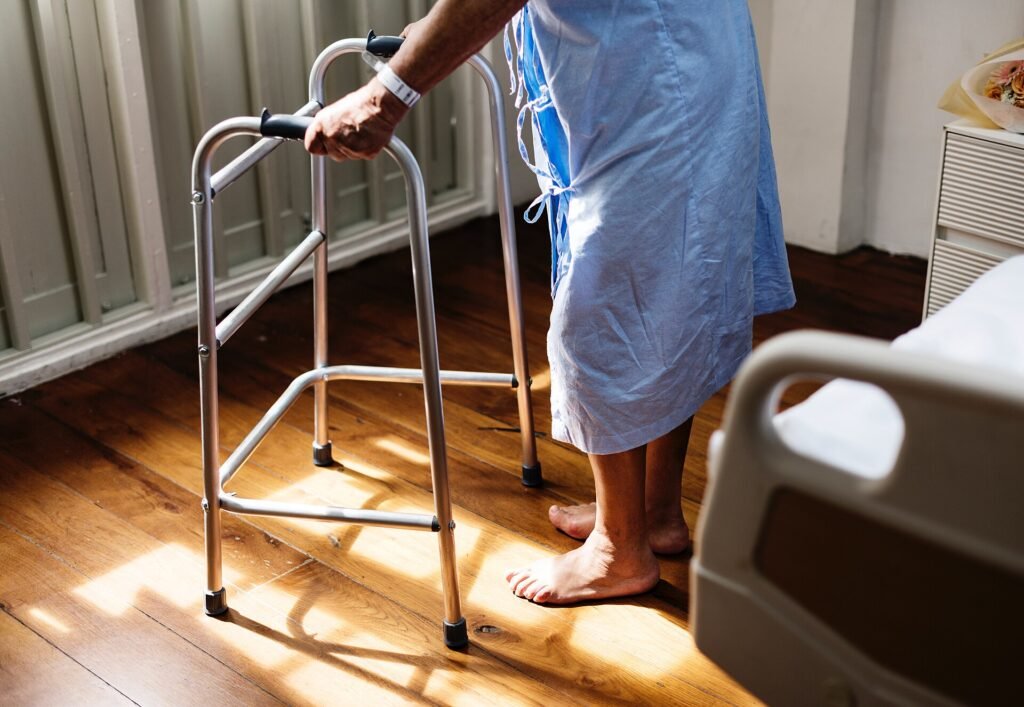
Most patients stay in India for 10–14 days post-surgery before flying home, allowing the surgical team to monitor initial healing and begin physiotherapy on-site. The first few days typically involve supported walking with a physiotherapist, progressing to more independent mobility before discharge. Full recovery and return to normal activity typically continues for several months after you return home, usually coordinated with a local physiotherapist using a plan from your Indian surgical team. Blood clot prevention — often through medication and early mobilisation — is a standard part of post-operative care for major joint surgery specifically.
What to prepare before travelling
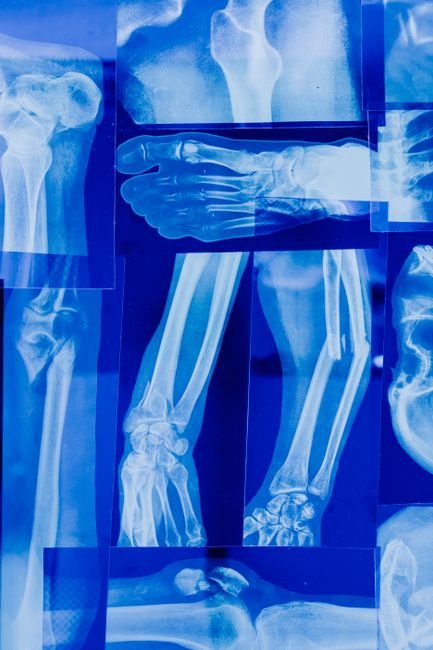
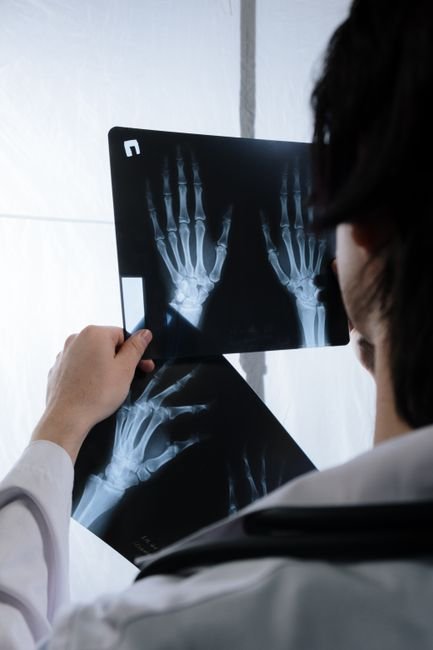
Bring existing imaging of the joint (X-rays, MRI if available), a list of current medications, and details of any other health conditions that could affect anaesthesia or recovery. If you use mobility aids at home, mentioning this helps the surgical team plan your post-operative mobility support appropriately.
What affects the cost of joint replacement
- One joint or both, and knee versus hip
- Implant type; India capped knee implant prices in 2017 through the National Pharmaceutical Pricing Authority
- Room category and length of stay
- Physiotherapy during and after the stay
- Other health conditions needing extra care
How long to stay in India
International patients usually need to stay near the hospital for a period after discharge for wound checks and physiotherapy, and until the surgeon confirms they are fit to fly. Ask for a realistic timeline before booking flights, and make sure it fits within your visa validity. See our medical visa guide and recovery stays after surgery.
Frequently asked questions
Is robotic joint replacement worth the extra cost? It can improve precision for certain complex cases; your surgeon can advise whether it’s warranted for your specific joint condition rather than assuming it’s always the better option.
Can I fly home immediately after discharge? Most surgeons recommend a short recovery period locally before long-haul travel, due to blood clot risk after major joint surgery — ask your care team for a personalised timeline.
How long before I can walk unassisted? This varies by procedure and individual healing, but many patients begin supported walking within days of surgery under physiotherapist guidance.
Will I need a walker or crutches when I travel home? Likely for at least the initial period — your surgical team will advise on mobility aids appropriate for your recovery stage.
What implant brands are used? Most major Indian orthopaedic centres use internationally recognised implant brands — ask your surgeon directly which one is planned for your case.
Can both knees be done at the same time? Bilateral procedures are performed at several centres for appropriate candidates, though this is a decision your surgeon will make based on your overall health and the specific joints involved.
How long do joint replacements typically last? Implant longevity varies by individual factors and activity level — your surgeon can give you a realistic expectation based on your specific implant choice and lifestyle.
This article is general information, not medical advice — orthopaedic treatment decisions should be made with a qualified orthopaedic surgeon reviewing your specific case. Request a joint-replacement cost estimate tailored to your diagnosis.