The short answer: bone marrow transplant (BMT) in India typically starts around $18,000, against roughly $200,000 in the US. BMT is one of the more demanding treatments a patient can undergo, and choosing a centre with real transplant volume and a dedicated BMT unit matters as much as the headline cost — this guide covers both.
Cost comparison
| India | USA | |
|---|---|---|
| Autologous BMT | $15,000–$18,000 | $150,000+ |
| Allogeneic BMT (matched donor) | $18,000–$25,000 | $250,000+ |
| Haploidentical (half-matched) BMT | $20,000–$28,000 | $280,000+ |
Leading centres
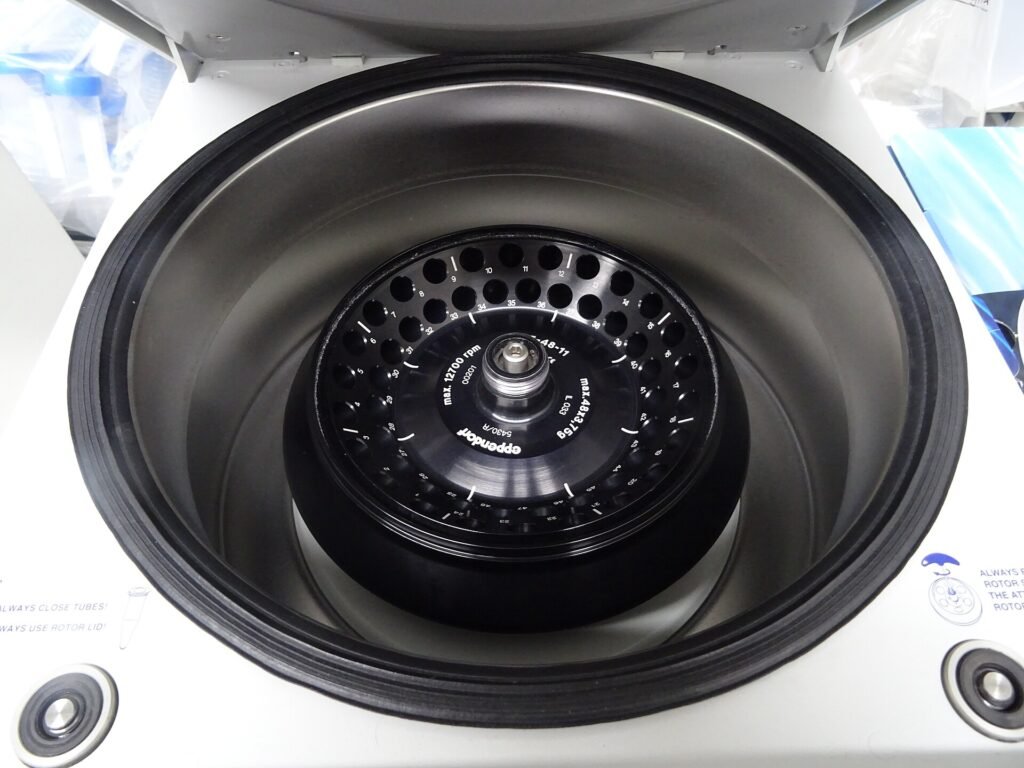
HCG Cancer Centre reports more than 1,600 successful transplants, with dedicated haematology and BMT units separate from general oncology wards. Artemis Hospital has been recognised as a leading Bone Marrow Transplant Centre in North India, with both adult and paediatric BMT programmes. Rainbow Children’s Hospital specialises specifically in paediatric BMT, having performed more than 1,000 transplants in children with leukaemia and other blood disorders.
Types of bone marrow transplant
Autologous uses the patient’s own stem cells, collected and stored before high-dose treatment, then reinfused. Allogeneic uses a matched donor, ideally a sibling, though matched unrelated donor registries are increasingly used when no family match exists. Haploidentical transplants use a half-matched donor, often a parent or child, and have become more viable in recent years as techniques have improved — this matters because it significantly widens the pool of potential donors for patients without a fully matched relative.
What the process involves
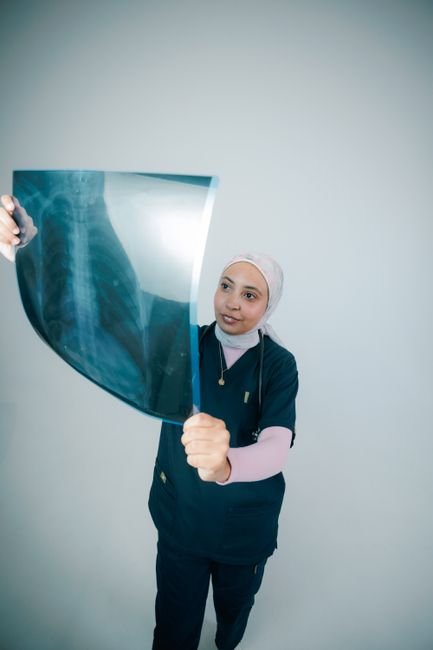
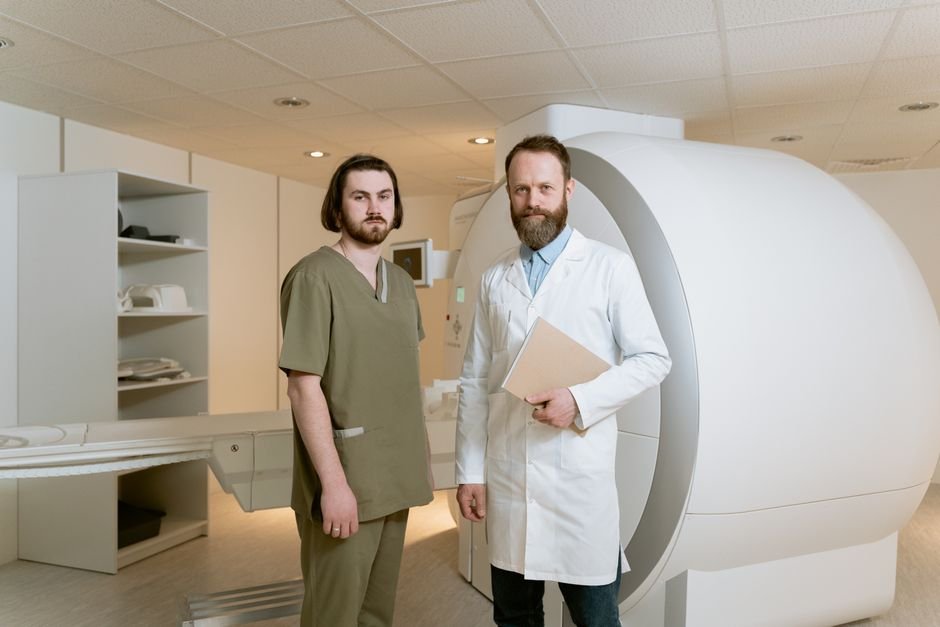
BMT typically requires several weeks in India: pre-transplant conditioning (chemotherapy and sometimes radiation to prepare the body), the transplant infusion itself, and a recovery period of close monitoring for infection risk while the new marrow engrafts. This is an intensive process requiring isolation precautions during the highest-risk period, and patients should be prepared for a longer, more demanding stay than most other procedures covered in this guide.
The costs above are indicative ranges to show the scale of the difference, not quotes. Actual costs vary widely with the type of transplant, donor source, complications and length of stay, so ask each centre for a written estimate.
Finding a donor
For an allogeneic transplant, the first step is usually HLA typing of the patient and brothers and sisters, since a matched sibling is often the preferred donor. If there is no matched sibling, the transplant team may look for a matched unrelated donor through Indian and international stem cell donor registries, such as DATRI in India, or consider a haploidentical transplant using a half-matched family member. Each option has different timelines, costs and risks, which only the transplant team can explain for your case.
What to prepare before contacting a transplant centre
- Diagnosis reports, including bone marrow biopsy and relevant blood reports
- Current disease status and treatment history, such as chemotherapy cycles received
- HLA typing reports for the patient and any tested siblings, if already done
- A summary letter from the treating haematologist or oncologist
- Questions about the centre’s transplant volume and outcomes for your specific condition
Planning for a long stay
A bone marrow transplant is not a short trip. Patients usually need to stay near the centre for several weeks after the transplant, sometimes longer, because of the risk of infection and the need for frequent reviews. Accommodation must be close to the hospital, very clean, and suitable for strict hygiene rules. A caregiver usually needs to be present throughout, and a second family member to take turns can make a big difference. Budget for medicines after discharge and for possible readmission as well as the transplant itself. Our guide to budgeting for stay and food near the hospital can help.
Visas for a longer treatment
International patients commonly use India’s e-Medical Visa, which is generally valid for 60 days from first arrival with multiple entries, according to the official e-Visa FAQ, with up to two attendants on e-Medical Attendant Visas. Because a transplant stay can run longer than 60 days, discuss the expected duration with the transplant centre before choosing a visa, and ask its international patient team how extensions are handled. Read our medical visa guide.
After you go home
Recovery continues for months after returning home, with regular blood tests, medicines and reviews. Agree before discharge how the transplant team will stay involved, which tests your local doctor should arrange, and how reports will be shared. See how follow-up works after you fly home. For newer therapies for blood cancers, read our guide to CAR-T cell therapy in India.
Frequently asked questions
How long do international patients typically stay? Often 4–6 weeks total, depending on donor type and recovery, sometimes longer for complex cases.
Is a sibling donor always required? No — matched unrelated donor and haploidentical (half-matched) transplants are increasingly available; the transplant team will assess your options.
What are the biggest risks during recovery? Infection risk during the period before the new marrow fully engrafts is a primary concern, which is why isolation precautions and close monitoring are standard — your transplant team will explain specific precautions for your case.
Can family members stay with the patient during BMT? Usually with some restrictions during the highest-risk isolation period — ask the specific hospital about their visitor policy for BMT patients.
How is a donor match found if no family member matches? Some centres can search international donor registries, though this adds time and coordination — discuss this pathway early if no family donor is available.
This article is general information, not medical advice — BMT eligibility and donor matching must be confirmed by a qualified haematologist or transplant specialist. Get a BMT treatment plan and cost estimate.