Quick answer: Hospital admission in India involves ID verification, insurance or payment pre-authorization, consent forms, and a pre-admission checklist that varies by hospital. A medical concierge handles this paperwork directly with the hospital’s admission desk on your behalf, so you arrive, verify your identity, and go straight to your room or pre-op area instead of spending hours at a counter.
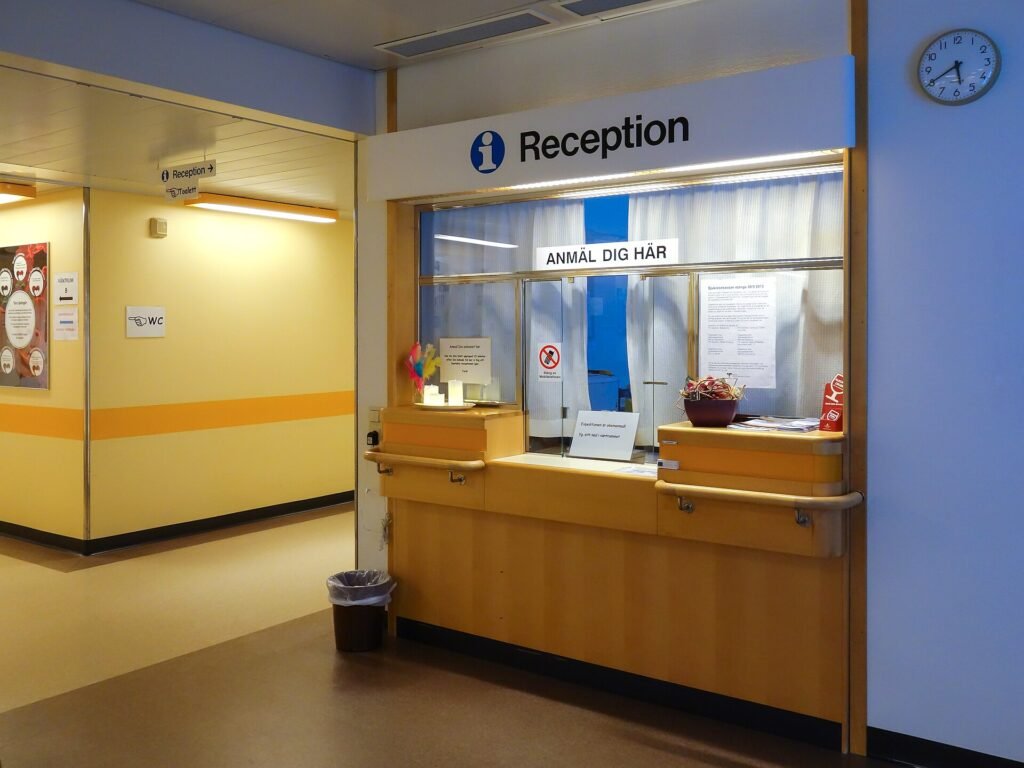
Hospital admission in a country you don’t live in is a different experience from admission at home. Forms are in a system you don’t recognize, deposit and insurance processes differ by hospital, and a language gap at the admission counter can turn a routine step into a stressful delay. This is exactly the kind of task a medical concierge is built to absorb.
What Hospital Admission Paperwork Typically Involves
- ID and passport verification, cross-checked against your visa and medical invitation letter if you’re an international patient.
- Pre-authorization with your insurer, or a payment/deposit arrangement if you’re self-funding.
- Informed consent forms for the specific procedure, which should be explained in a language you understand — not just signed.
- Pre-admission tests the hospital may require (blood work, ECG, COVID or infection screening depending on the department).
- Room and billing category selection, which affects your final invoice significantly.
How a Concierge Handles Admission on Your Behalf
How medical concierge services typically manage hospital admission for international patients in India.
Pre-fill admission forms
The concierge collects your ID, insurance, and medical history in advance and completes hospital admission forms before you arrive.
Confirm room category and estimated cost
Room type is confirmed against your budget so there are no surprises on the final invoice.
Coordinate pre-admission tests
Any required blood work or screening is scheduled ahead of the admission date where possible, to avoid delaying surgery.
Accompany you to the admission desk
An interpreter or coordinator is present at check-in to explain consent forms and answer questions in real time.
Track insurance or deposit processing
The concierge follows up directly with the hospital’s billing desk so payment authorization doesn’t hold up your admission.
Documents to Carry Regardless of Concierge Support
- Passport and visa (see our medical visa guide if you haven’t applied yet).
- Prior medical records, ideally translated — see our guide on report and prescription translation.
- Insurance policy documents or proof of funds.
- A list of current medications and known allergies.
Frequently Asked Questions
What documents do I need for hospital admission in India?
Passport, visa, prior medical records, insurance documents or proof of funds, and a current medication and allergy list.
Can a medical concierge complete admission forms before I arrive?
Yes, most concierge services pre-fill admission paperwork using the information and documents you provide in advance.
Do I need an interpreter at the admission desk?
It’s strongly recommended if English isn’t your first language, since consent forms should be fully understood before you sign them.
How does room category affect my hospital bill?
Significantly — room category (general ward, private, or deluxe) is one of the largest variable costs on an Indian hospital invoice, so it’s worth confirming before admission.
What if my insurance isn’t pre-authorized before I arrive?
Most hospitals still admit you but may require a deposit while authorization is processed; a concierge typically follows up directly with the insurer to resolve this quickly.
Are pre-admission tests required for every procedure?
Requirements vary by hospital and procedure. Common pre-admission tests include blood work and an ECG, but always confirm with the specific hospital.
Admission deposits: how much to arrange and when
Most private hospitals ask for an advance deposit at admission. It is usually based on the estimated cost of the stay or a set number of days in the chosen room category, and it is adjusted against the final bill. Government hospitals also take advances for some services; as one published example, AIIMS New Delhi set 10-day advances of 33,000 rupees for B-class and 63,000 rupees for A-class private ward rooms in 2022, according to reports of its official order.
| Situation | What to expect |
|---|---|
| Self-paying patient | A deposit at admission, and sometimes further deposits during a longer stay |
| Cashless insurance, approval pending | A deposit may be asked until pre-authorisation comes through |
| Cashless insurance, approved | Often a smaller deposit, mainly for non-payable items |
| Ayushman Bharat PM-JAY covered package | Treatment is cashless at empanelled hospitals for covered packages |
- Ask for the deposit amount in writing with the estimate, before travel.
- Ask whether it can be paid in stages, and which payment methods are accepted. See paying hospital bills by UPI or card.
- Keep every deposit receipt; you will need them at discharge and for insurance claims.
- Ask how and when any unused deposit is refunded.
If cost is a concern, read medical loans and EMI for hospital bills and free and low-cost treatment options.
Final Takeaway
Admission paperwork is procedural, not medical — which is exactly why it’s the first thing worth delegating. Get in touch and we’ll manage the forms, deposits, and consent process directly with the hospital.