Quick answer: Nigerian patients travelling to India for treatment typically need a medical visa (supported by a hospital invitation letter), a confirmed hospital cost estimate, and currency/payment planning given naira exchange constraints. A medical concierge experienced with Nigerian patients can pre-arrange the invitation letter, confirm accepted payment methods, and coordinate airport-to-hospital transfer on arrival in cities like Delhi, Mumbai, Chennai, or Bengaluru.
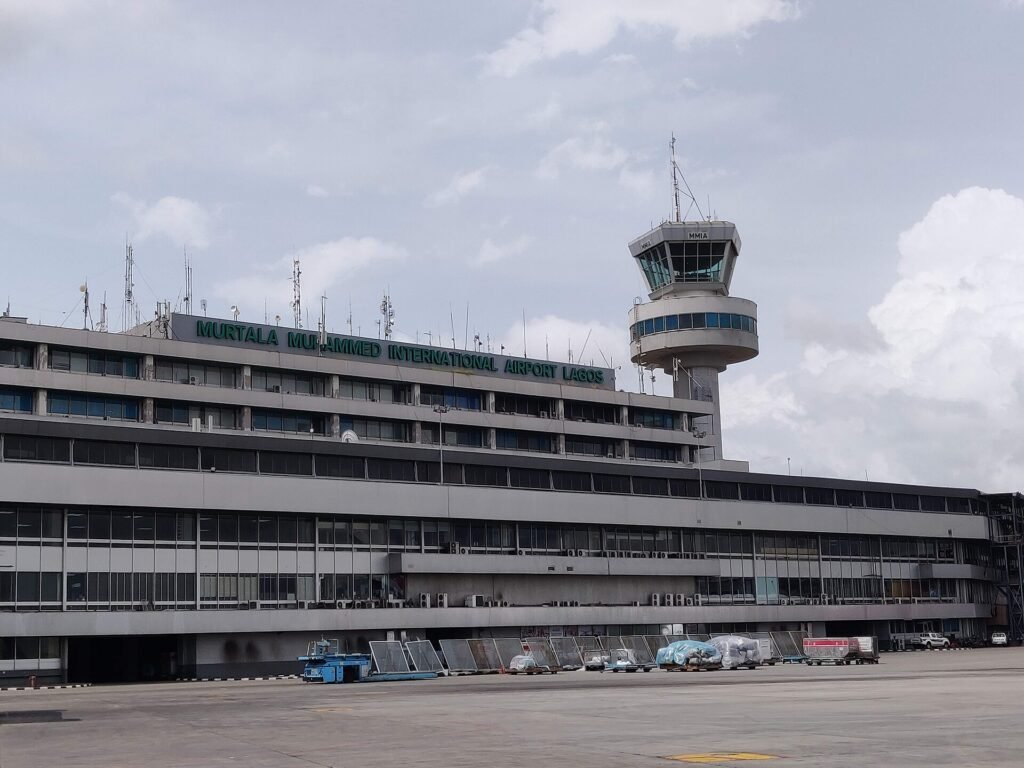
Nigeria is one of the largest source countries for Indian medical tourism, particularly for cardiac care, oncology, orthopedics, and fertility treatment. Nigerian patients face a specific set of practical hurdles — visa documentation, currency movement, and finding a provider who already understands these constraints — that a generic guide doesn’t fully address.
What Nigerian Patients Need Before Travelling
- Medical visa with a hospital invitation letter — required for treatment-purpose travel to India; see our full medical visa guide for the general application process.
- A confirmed, itemized hospital cost estimate before departure, given currency volatility makes budgeting in advance especially important.
- Payment method confirmation — which hospitals accept international card payments, wire transfers, or require a local currency arrangement.
- An attendant visa if a family member is travelling as a caregiver, which follows a related but separate application process.
Popular Treatment Categories for Nigerian Patients
- Cardiac surgery and interventional cardiology.
- Cancer treatment and oncology surgery.
- Orthopedic procedures, including joint replacement.
- IVF and fertility treatment.
Cost Comparison Context
Treatment in India generally costs a fraction of equivalent care in the US, UK, or private hospitals within Nigeria for major surgeries, while maintaining internationally accredited quality at leading hospitals. For a broader country-by-country cost comparison, see our guide on how treatment costs in India compare across countries.
Visa steps for patients and caregivers
Most international patients use India’s e-Medical Visa, applied for online on the official Indian e-Visa website. It is generally valid for 60 days from first arrival with multiple entries, according to the official e-Visa FAQ, and up to two blood relatives can travel as caregivers on e-Medical Attendant Visas, linked to the patient’s application. You will need the hospital’s invitation letter. If treatment may take longer than 60 days, discuss the right visa with the hospital’s international patient team before applying. Our medical visa guide has the full steps.
Beware of fake invitation letters and agents
Invitation letters should come directly from the hospital you plan to use, with a medical reference number, not from an unknown agent. Check that the hospital, doctor and letter are genuine by contacting the hospital’s international patient desk through its official website. Be cautious with anyone who asks for large upfront payments to a personal account or promises guaranteed results.
Payment planning
Because exchange rates can move between getting a quote and paying the bill, budget with a margin and confirm with the hospital which payment methods it accepts from abroad. Pay only to the hospital’s official account and keep every receipt. Plan separately for accommodation, food and local travel for the patient and caregivers; see budgeting for stay and food near the hospital.
Care after you return to Nigeria
Collect the discharge summary, all reports and a written follow-up plan before leaving India, and agree how your doctors in Nigeria and India will share information. See how follow-up works after you fly home.
Plan the whole trip budget
Besides treatment, budget for flights, visas, accommodation, food and local travel for the patient and caregivers, plus a margin for extra days. Ask the hospital how long you should stay nearby after discharge before flying home.
Keep a small reserve for emergencies during the stay.
Frequently Asked Questions
What visa do Nigerian patients need for medical treatment in India?
A medical visa (e-Medical Visa or regular medical visa depending on eligibility), which requires a hospital invitation letter as part of the application.
Can a family member travel with a Nigerian patient to India?
Yes, typically under a related medical attendant visa, which follows a separate but connected application process.
What payment methods do Indian hospitals accept from Nigerian patients?
This varies by hospital — some accept international card payments or wire transfers directly, while others may require specific arrangements. Confirm this before travel.
Which Indian cities are most popular for Nigerian medical tourists?
Delhi, Mumbai, Chennai, and Bengaluru are commonly chosen, largely based on hospital specialization and existing flight connectivity.
How much cheaper is treatment in India compared to Nigeria for major surgery?
This varies significantly by procedure and hospital; a detailed cost comparison is available in our broader treatment cost guide.
Is a medical concierge helpful for Nigerian patients specifically?
Yes — particularly for visa documentation, payment coordination, and language-neutral communication with the hospital, which can reduce delays specific to first-time international travelers.
Final Takeaway
Nigerian patients travelling to India benefit most from having visa, cost, and payment questions resolved before departure. Contact our team to start your treatment plan and invitation letter process.