Quick answer: Room rent capping is a limit in some health insurance policies on how much the insurer pays per day for your hospital room. If you choose a room above that limit, the insurer may reduce not just the room rent but other room-linked charges in the same proportion. This is called proportionate deduction, and it can shrink a claim far more than families expect.
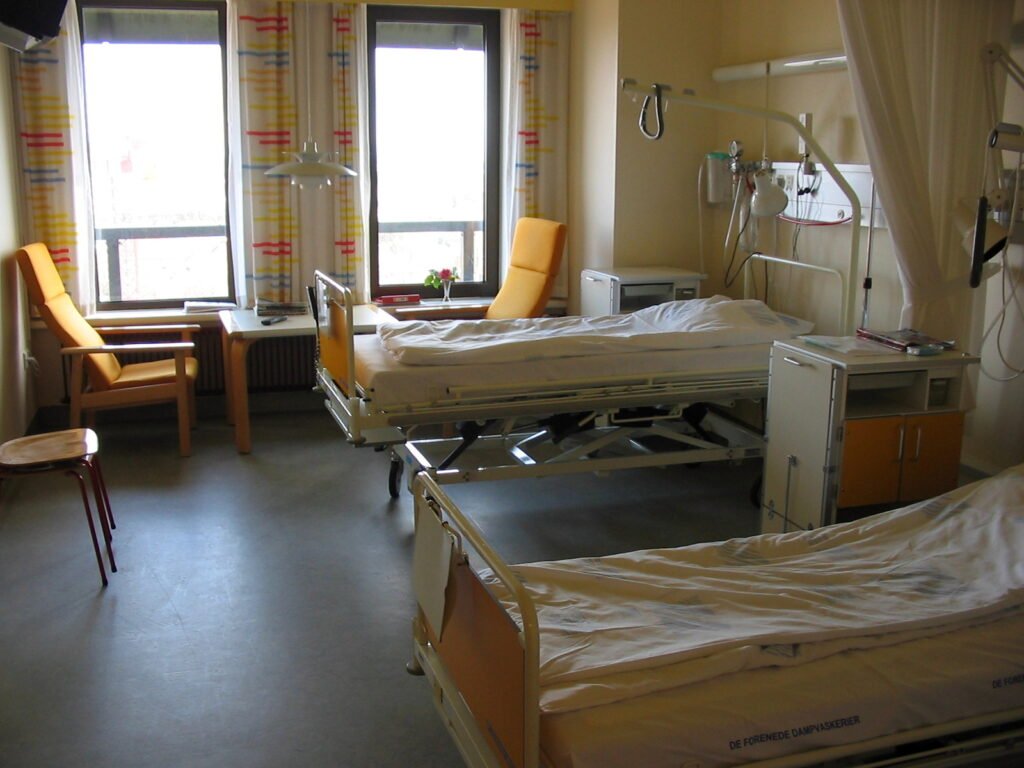
Many families pick a single or deluxe room for comfort without realising their policy has a room rent limit. At discharge, the insurer pays much less than expected, and the family has to cover the difference. Knowing how the rule works takes five minutes and can save a lot of money.
How proportionate deduction works: a simple example
| Amount | |
|---|---|
| Your policy’s room rent limit | 5,000 rupees per day |
| Room you chose | 10,000 rupees per day |
| Ratio (limit divided by actual) | 50% |
| Room-linked charges, for example doctor visits and nursing | Paid at about 50% if your policy applies proportionate deduction |
| Medicines, consumables, implants, diagnostics | Should not be proportionately reduced under IRDAI norms |
This example is only an illustration. The exact calculation depends on your policy wording.
What IRDAI rules protect
In June 2020, the insurance regulator IRDAI told insurers that the cost of pharmacy, implants, medical devices and diagnostics should not be treated as associated medical expenses for proportionate deduction. It also said proportionate deduction should not be applied for ICU charges, and should not be applied at hospitals that do not follow differential billing by room category. IRDAI has since issued further health insurance circulars, so check your policy schedule and current terms.
How to avoid a smaller claim
- Check your policy schedule for a room rent limit or sub-limit before admission.
- Ask the hospital for room tariffs and choose a room within your limit if you can.
- Ask whether charges vary by room. If the hospital charges the same for all rooms, proportionate deduction should not apply.
- Ask your insurer or TPA to confirm your eligible room before admission for planned treatment.
- Check the settlement letter. If medicines, implants, diagnostics or ICU charges were proportionately cut, ask the insurer to explain and review it.
Our guides on cashless and direct-billing treatment and hospital consumables explain the other common reasons claims come in lower than the bill.
Room rent limits in newer policies
Many newer policies offer options with no room rent limit, or allow a single private room, sometimes at a slightly higher premium. When you buy or renew a policy, compare this feature carefully: a policy without room rent capping can save far more at claim time than it costs in premium. Always read the policy schedule, since the same insurer may sell plans with very different room rules.
If you are unsure about your own policy, ask your insurer or TPA in writing before a planned admission, and keep their reply with your hospital estimate.
Remember that proportionate deduction only matters if you choose a room above your limit, so the simplest protection is knowing your limit before you choose.
How NEIMHAANS helps
NEIMHAANS is a non-clinical healthcare concierge that has helped families travelling for treatment since 2007. Before admission, we help families find the room rent limit in their policy, get room tariffs from the hospital and plan a room choice that avoids surprises. We also help organise documents for the insurer. We do not sell insurance or give insurance advice; for policy questions, your insurer or TPA has the final word. See our services.
Frequently asked questions
What is room rent capping?
It is a limit in some health insurance policies on how much the insurer will pay per day for your hospital room, often set as a percentage of the sum insured or a fixed amount.
What is proportionate deduction?
If you stay in a room costing more than your policy limit, some policies reduce other room-linked charges in the same proportion. For example, if your limit is 5,000 rupees and the room costs 10,000, certain linked charges may be paid only at half.
Which charges cannot be proportionately deducted?
Under IRDAI norms from 2020, proportionate deduction should not be applied to pharmacy and consumables, implants and medical devices, or diagnostics, and should not be applied to ICU charges. It also should not apply where the hospital does not charge differently by room category.
How can I avoid a proportionate deduction?
Check your policy’s room rent limit before admission and choose a room within it, or ask whether the hospital charges the same for all room types. If you are unsure, ask your insurer or TPA before admission.
This article is part of our complete guide to hospital costs in India.
This article is general information, not medical, legal, insurance or financial advice. Rules, schemes and hospital policies change, so always confirm details with your hospital, insurer or the relevant authority.