Quick answer: Families in India can fund hospital bills through personal loans from banks and NBFCs, hospital EMI schemes run with partner lenders, or EMI conversion on credit cards. These can help when treatment cannot wait, but they cost money over time. Before borrowing, check insurance and government schemes, hospital concessions and cheaper room or package options, and always read the lender’s Key Fact Statement to see the true annual cost.
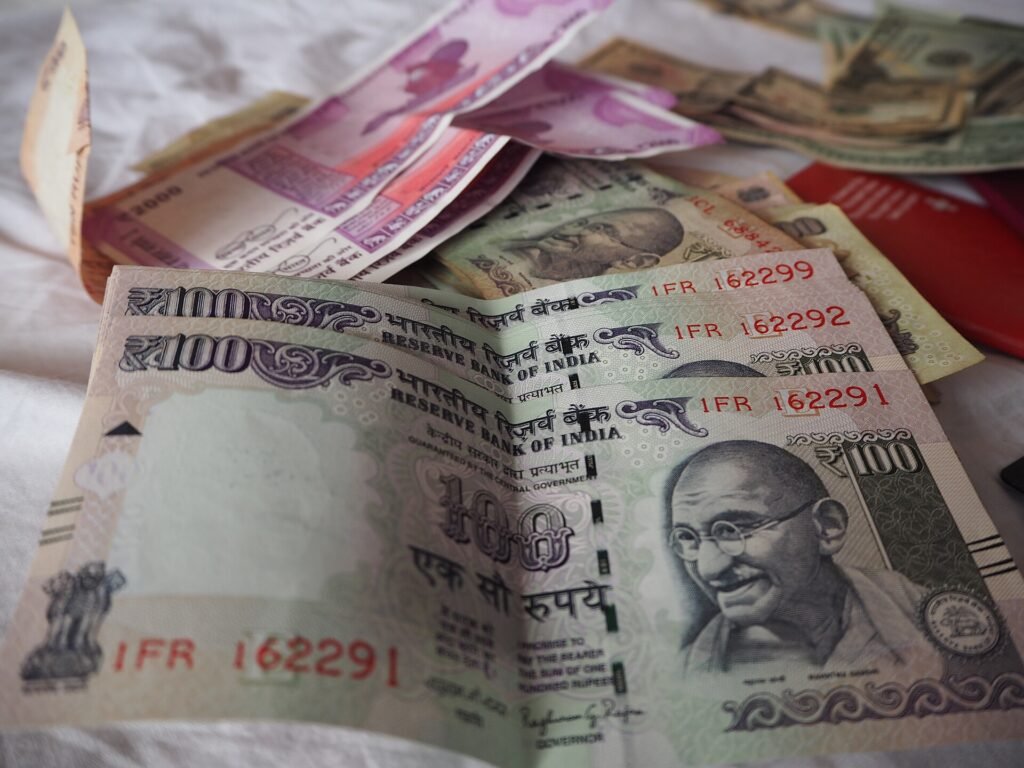
Medical bills rarely arrive at a convenient time. When savings and insurance fall short, borrowing can bridge the gap. The goal is to borrow only what you need, from a regulated lender, on terms you fully understand, so the loan does not become a second crisis after the medical one.
Try these before borrowing
- Health insurance: check your cover, room limits and whether cashless is possible. See how cashless treatment works.
- Government schemes: check Ayushman Bharat PM-JAY and your state scheme. See how to check Ayushman Bharat coverage.
- Hospital help: ask about concessions, charitable funds and staged deposits. See free and low-cost treatment options.
- Cost choices: compare room categories and packages. See can you negotiate hospital charges.
The main ways to borrow
| Option | How it works | Things to watch |
|---|---|---|
| Personal loan from a bank or NBFC | A lump sum repaid in monthly instalments | Interest rate, processing fee, total repayable, prepayment terms |
| Hospital EMI scheme | Hospital partners with a lender to convert part of the bill into EMIs | Who the actual lender is, all fees, whether “no-cost” really means no extra cost |
| Credit card EMI | Card payment converted into instalments | Interest and processing fee on conversion, effect on your card limit |
| Loan against deposits or gold | Borrowing against savings or assets you hold | Lower rates in some cases, but the risk to the asset if you cannot repay |
Before you sign: a simple checklist
- Is the lender regulated? Borrow only from banks and RBI-regulated NBFCs, or apps that clearly name a regulated lending partner.
- Read the Key Fact Statement. RBI rules require regulated lenders to give borrowers a Key Fact Statement showing the annual percentage rate and all charges.
- Compare the total repayable, not just the monthly EMI.
- Check fees: processing, prepayment and late payment charges.
- Borrow only what you need, based on a written hospital estimate.
- Keep all documents and payment receipts.
Warning signs
- Pressure to decide immediately, especially from someone who is not the hospital or a known bank
- Loan apps that ask for access to all your contacts or photos
- No clear name of the regulated lender behind the offer
- Charges that are not written down, or a Key Fact Statement that is not provided
Other sources of help
Some families use medical crowdfunding or ask their community, employer or religious and social organisations for support. Government relief funds and charitable trusts can also help with serious illnesses; the hospital’s social work department usually knows what is available locally.
Borrowing for someone else’s treatment
Families often borrow to pay for a parent’s or relative’s treatment. Agree within the family who will repay, keep the loan documents together with the hospital bills, and avoid taking several small loans from different sources, which are harder to track and often more expensive in total.
How NEIMHAANS supports families
NEIMHAANS is a non-clinical concierge, not a lender or financial adviser. What we do for families travelling for treatment is reduce the amount they may need to borrow: getting clear written estimates, checking insurance and scheme options, asking hospitals about concessions and staged deposits, and planning realistic budgets for stay and travel. For decisions about loans, speak to your bank or a qualified financial adviser. See our services.
Frequently asked questions
What is a medical loan?
Usually a personal loan used for treatment, offered by banks and NBFCs, sometimes through a tie-up at the hospital. Some hospitals also offer EMI options through partner lenders, and some credit cards allow bills to be converted into EMIs.
What should I check before taking a medical loan?
Check that the lender is regulated, read the Key Fact Statement for the annual percentage rate and all charges, compare the total amount repayable, and understand prepayment and late payment charges.
Are no-cost EMI offers really free?
Not always. Some “no-cost” offers adjust interest through discounts or fees. Check the total amount you will repay and all charges.
What should I try before borrowing?
Check insurance, Ayushman Bharat PM-JAY or state scheme eligibility, hospital concessions or charitable funds, and whether a lower room category or package could reduce the bill.
This article is part of our complete guide to hospital costs in India.
This article is general information, not medical, legal, insurance or financial advice. Rules, schemes and hospital policies change, so always confirm details with your hospital, insurer or the relevant authority.