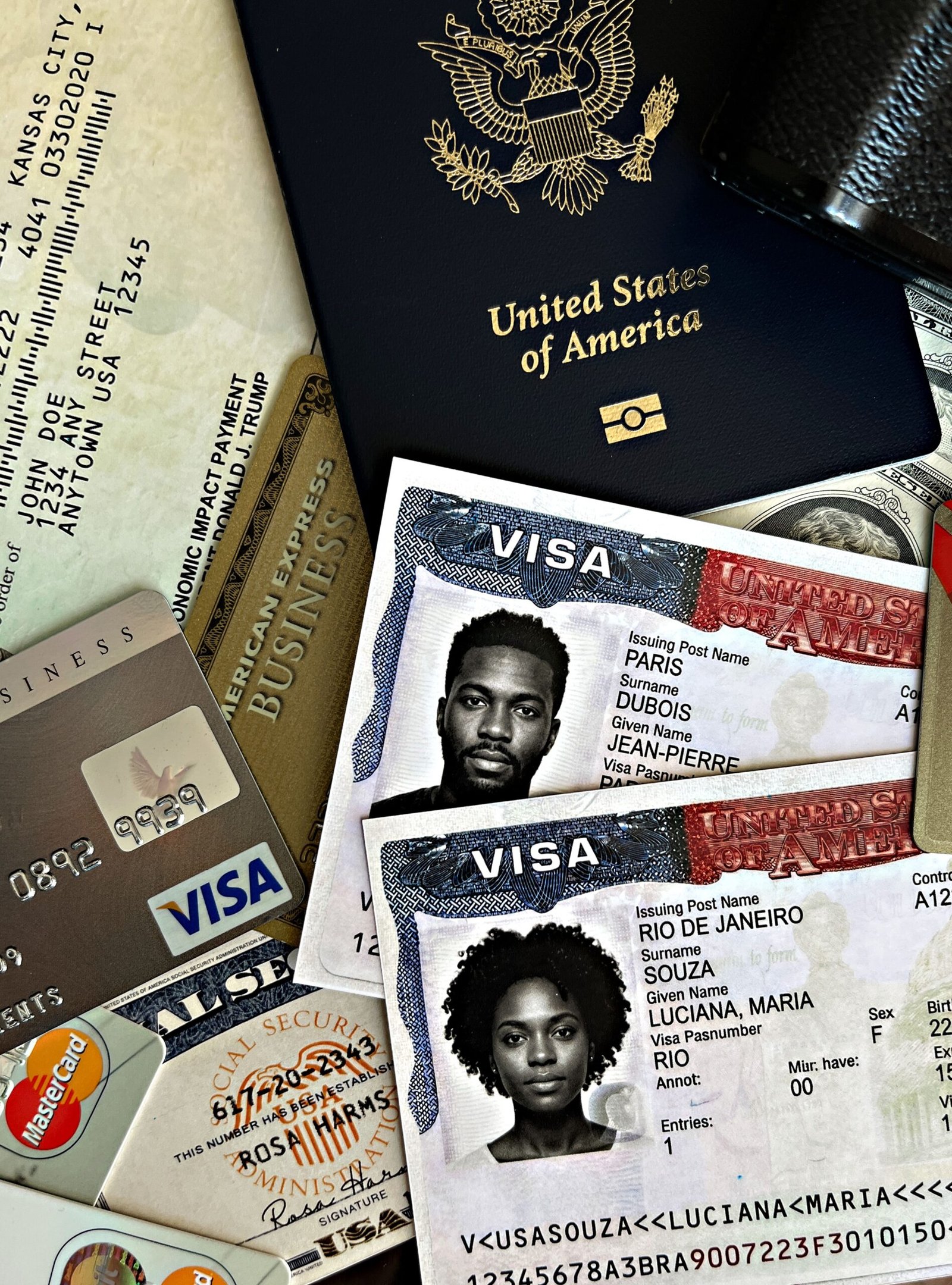
Ask any family who has already made this trip what they would change, and paperwork comes up before anything medical. A referral letter left at home, an insurance pre-authorisation started too late, or a name that does not quite match across ID and medical file can delay admission by a day or more, right when every day matters. This medical travel documents and insurance checklist walks through exactly what to gather and confirm before your family travels from Northeast India to South India for treatment.
- Why documentation is where most delays start
- The core document checklist
- Insurance: what to confirm before you leave home
- Step by step: getting documents and insurance ready
- Digital backups and your ABHA health ID
- A free interactive pre-travel checklist
- Five mistakes that cost families time
- When to get help with documents and insurance
- The bottom line
- Frequently asked questions
Why documentation is where most delays start
Treatment itself rarely goes wrong for reasons a family could have prevented. Paperwork does. Hospitals need a complete, consistent picture of the patient before they can confirm an appointment, admit for a procedure, or process an insurance claim, and gaps in that picture are the single biggest reason first-time medical travellers lose a day or two they had not planned for.
The reassuring part is that almost every documentation problem is preventable from home, days before you fly, with a bit of organisation rather than any special expertise. If you are still working out the wider trip, our guide to planning medical travel from Northeast India to South India covers the full journey; this one goes deep on the documents and insurance piece specifically.
The core document checklist
Keep these together in one folder, physical and digital, from the day you start planning:
- Recent medical reports, scans, and prescriptions
- A referral letter from your local doctor, addressed to the treating hospital where possible
- Discharge summaries from any earlier hospital stay related to the condition
- Valid photo ID for the patient and every travelling family member, with names that match the medical file exactly
- Confirmed appointment letter or pre-arrival code from the treating hospital
- Insurance policy document, policy number, and insurer ID card
- Pre-authorisation approval or claim reference number, if your treatment needs one
- Your local doctor’s contact details, in case the treating hospital needs to reach them
A folder that is slightly over-organised costs you nothing at the airport or the admission counter. A folder that is missing one document can cost you a whole day.
Insurance: what to confirm before you leave home
Insurance is the part families most often leave until they arrive, and it is the part that is hardest to sort out from a hospital corridor in another state. Before you travel, confirm whether the treating hospital is in your insurer’s network, what the policy actually covers (room category, ICU, implants, medicines), and whether the claim will be cashless or reimbursement. If pre-authorisation is required, start it as early as possible; it is often the single biggest cause of a delayed admission when left until arrival.
Keep your policy number, ID card, and any prior correspondence with your insurer in the same folder as your medical records. Insurance rules are set by your insurer and regulated by the Insurance Regulatory and Development Authority of India, so always confirm the specifics of your policy directly with your provider rather than relying on general advice, including this guide.
Step by step: getting documents and insurance ready
1. Build one master medical file
Combine every report, scan, prescription, and discharge summary into a single, chronologically ordered file. Share it with the treating hospital ahead of travel so a specialist can review the case before you land.
2. Confirm every name matches, exactly
Check that the patient’s name on the ID, the insurance policy, and the medical file all match. Small mismatches, a missing middle name, a different spelling, are a common and entirely avoidable reason for delays at admission.
3. Sort insurance before you fly, not after you land
Call your insurer, confirm network status and coverage, and start pre-authorisation if the treatment needs it. Get the answer in writing or by email wherever you can.
4. Make digital backups of everything
Scan or photograph every document and save copies to your phone and a cloud drive. Physical copies can be misplaced in transit; digital ones cannot.
5. Pack a separate travel-day folder
Keep the documents you will need on arrival, ID, appointment letter, insurance card, in a folder you can reach without digging through luggage.
Digital backups and your ABHA health ID
Carry physical copies as your primary set, but treat digital backups as essential rather than optional. Scans saved to your phone or a cloud drive have rescued more than one family whose folder was left behind in a taxi. You can also link your records to a free ABHA health account under the Ayushman Bharat Digital Mission, which makes sharing your history with a new hospital considerably simpler and reduces how much you need to carry on paper.
A free interactive pre-travel checklist
To make this easier to act on, use our interactive checklist below. It covers documents, insurance, packing, and hospital coordination together, tracks your progress as you go, and can be printed for the day you travel.
Caregiver Transit Checklist & Planner
Verify your physical documents, digital certificates, and daily travel packs before departing Northeast India.
Travel Advisory: Always keep soft copies of hospital clearances on a cloud drive (e.g. Google Drive) accessible via your phone in case paper copies are misplaced during regional transitions.
Five mistakes that cost families time
- Leaving insurance pre-authorisation until arrival. It is the single most common cause of a delayed admission, and it is entirely avoidable with a phone call from home.
- Carrying only photocopies, with no digital backup. A lost or forgotten folder becomes a real problem when there is no scan to fall back on.
- Travelling without a referral letter. It slows the first consultation and sometimes means repeating tests you have already paid for.
- Names that do not match across ID and medical records. Even a small mismatch can hold up registration and admission.
- Assuming the hospital will chase the insurer for you. Hospitals coordinate with your insurer’s desk, but confirming coverage and starting approvals is ultimately the family’s responsibility.
None of these are medical errors. They are paperwork errors, which means they are the ones you can prevent with a checklist and a few phone calls before you leave.
When to get help with documents and insurance
Many families manage their own documents and insurance calls without any trouble. Others prefer a hand, particularly for a first journey, a complex claim, or when the whole family is trying to coordinate from different towns. NEIMHAANS offers non-clinical documentation and insurance help as part of our support packages: organising records and paperwork, coordinating with the hospital’s billing and insurance desk, and keeping the whole family updated as things move. You can see how this fits into the wider journey on our services page, read more about how we support the whole family, not just the patient, or follow our step-by-step process. It never replaces your insurer or your doctors; it simply removes the guesswork around the paperwork between them.
The bottom line
Documents and insurance are the most preventable source of delay in medical travel, and also the easiest to get right. Build one master file, confirm every name matches, sort insurance before you fly, and keep a digital backup of everything. Do that, and the paperwork stops being something to worry about.
If you would like a hand organising your family’s documents and insurance before you travel, talk to a NEIMHAANS coordinator for a free, no-pressure conversation, or call +91 70907 77372 if you would rather speak to someone now.
Book a free consultationNote: This article is general information about documents and insurance logistics, not medical, legal, or financial advice. It does not diagnose, recommend, or endorse any treatment, hospital, doctor, or insurance product. Always consult a qualified doctor about your individual condition, and confirm insurance details directly with your insurer.