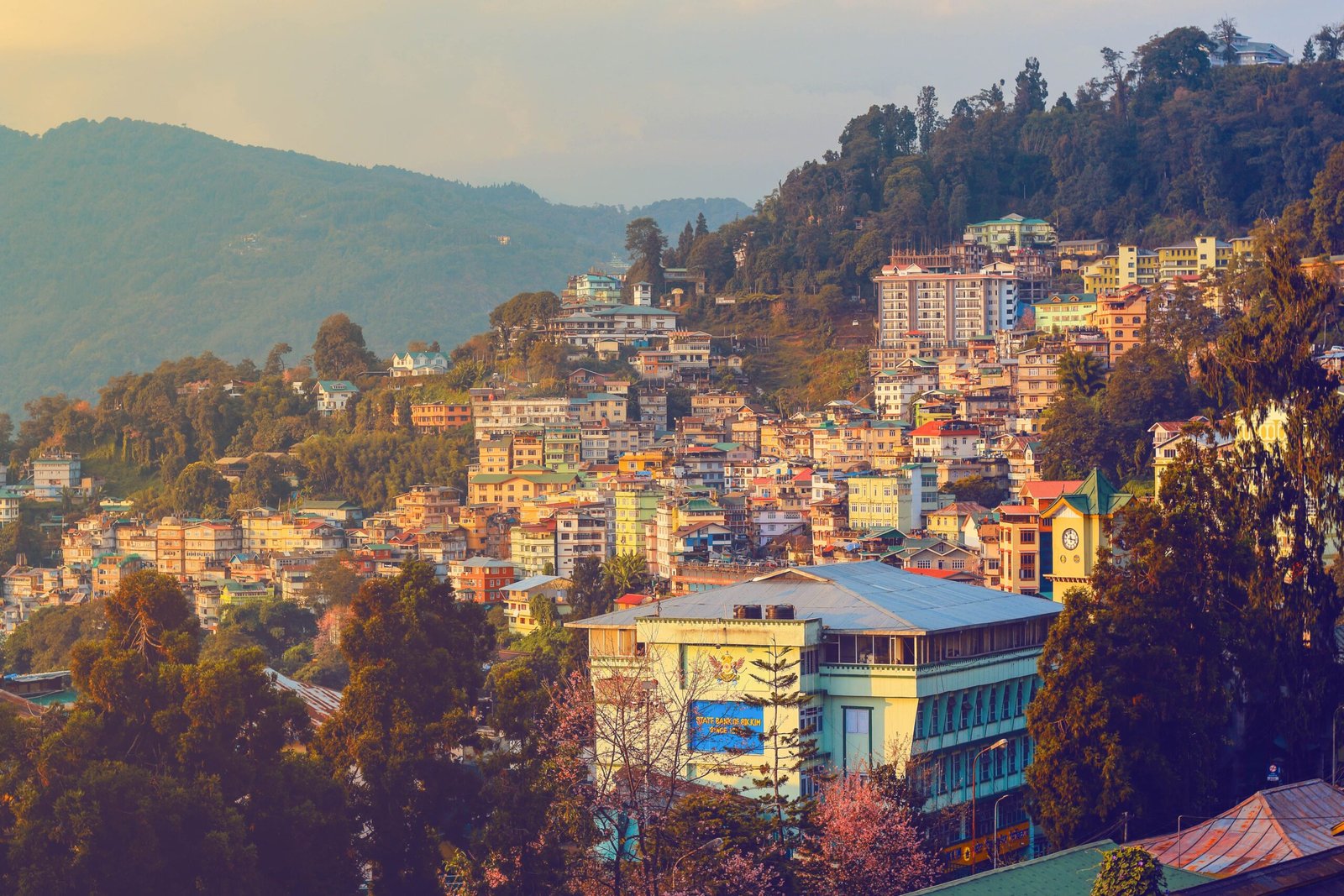
For families in Sikkim, specialised treatment often means travelling well beyond Gangtok. Medical tourism and medical travel from Sikkim to South India are the practical route for advanced cardiac care, cancer treatment, transplants, and complex neurology that families from Gangtok, Namchi, Gyalshing, and Mangan pursue in cities like Chennai, Bengaluru, and Hyderabad. This guide covers how to plan that journey: choosing a hospital, getting there, budgeting, and what to prepare before you leave.
- Why Sikkim families travel south for treatment
- Starting points across Sikkim
- Choosing the right South Indian city and hospital
- Getting from Sikkim to South India
- Documents, insurance and costs
- Common conditions Sikkim patients travel for
- A step-by-step planning timeline
- Mistakes to avoid
- When medical travel assistance helps
- The bottom line
- Frequently asked questions
Why Sikkim families travel south for treatment
Gangtok’s hospitals provide solid primary and secondary care, but tertiary-level specialities, complex cardiac procedures, organ transplants, advanced oncology, and specialised neurology among them, are concentrated in a handful of Indian cities. For most families, the nearest hospitals offering these treatments are in Chennai, Bengaluru, Vellore, Hyderabad, or Kochi, which makes medical tourism within India a necessity once a doctor in Sikkim refers a case onward rather than a lifestyle choice.
What makes this different from a routine trip is the combination of distance, an unfamiliar hospital system, and doing it all while worried about a family member’s health. Most of the difficulty families report is logistical, not medical: knowing which city and hospital to choose, how to get there affordably, and what to carry.
Starting points across Sikkim
Families travelling for treatment usually begin from Gangtok, Namchi, Gyalshing, Mangan, or Rangpo. Sikkim’s own Pakyong Airport near Gangtok has limited scheduled flights, mainly on regional routes, so many families still rely on Bagdogra Airport near Siliguri in West Bengal, roughly four to five hours away by road, for broader connectivity to Kolkata, Delhi, and onward to South India. Check current schedules for both airports before finalising your travel plan, since connectivity from Pakyong can change.
Choosing the right South Indian city and hospital
Chennai, Bengaluru, and Hyderabad each host multiple accredited multispecialty hospitals, and the right one for your family depends on the condition being treated, the specific doctor or programme recommended, and how the hospital’s cost estimate compares for your case. Rather than repeat that comparison here, we keep detailed, regularly updated city guides:
- Best hospital in Chennai: how to compare and choose
- Best hospital in Bangalore: factors that matter
- Best hospital in Hyderabad: a comparison guide
- How to choose the right hospital in South India, for the general framework: accreditation, doctor experience, and cost transparency
As a starting point for Sikkim families: Chennai and Vellore have some of the country’s most established cardiac and oncology programmes; Bengaluru is a strong option for neurology, transplants, and a wide range of specialities in one city; Hyderabad is often competitive on cost for comparable multispecialty care. These are general starting points, not universal rules, always match the hospital to the specific condition and get a written case review before booking travel.
Getting from Sikkim to South India
Most journeys from Sikkim to South India involve a road transfer from Gangtok to Bagdogra, followed by a flight connecting through Kolkata or Delhi to Chennai, Bengaluru, or Hyderabad. Mountain roads between Gangtok and Bagdogra can be affected by weather and landslides, particularly during the monsoon, so build in a generous buffer and avoid booking the tightest possible connection. Book accommodation close to the hospital rather than in the city centre; the saving on rent rarely offsets the daily cost and fatigue of longer commutes during treatment and recovery.
Documents, insurance and costs
Before you travel, gather medical reports, scans, prescriptions, and a referral letter from your local doctor, along with valid ID for every travelling family member. If insurance is involved, confirm network status and pre-authorisation requirements before you fly rather than after you land. We cover this in full detail, including a printable checklist, in our documents and insurance checklist guide.
On cost, the hospital’s treatment estimate is only part of the budget. The road transfer to Bagdogra, flights, accommodation near the hospital, food, local transport, and documentation all add up. Ask each shortlisted hospital for an itemised written estimate so you can compare and plan realistically; our Northeast India to South India planning guide walks through budgeting for the full journey, not just the treatment.
Common conditions Sikkim patients travel for
Based on the referrals and enquiries we see, families from Sikkim most often travel south for cardiac conditions requiring surgery or interventional cardiology, cancer diagnosis and treatment, orthopaedic and joint procedures, neurological conditions, kidney and liver care including transplants, and complex paediatric care. This is general information, not a diagnosis or a suggestion of what any individual needs; your local doctor’s referral and the treating hospital’s specialists should always guide the actual treatment decision.
A step-by-step planning timeline
1. Get a referral and a preliminary case review
Ask your local doctor in Sikkim for a referral letter and share your reports with the shortlisted hospital before booking any travel, so a specialist can give you a realistic timeline.
2. Compare hospitals and get written estimates
Use our city guides to shortlist two or three hospitals, then request an itemised cost estimate from each before deciding.
3. Confirm appointments and insurance in writing
Get appointment dates and any pre-arrival codes confirmed in writing, and start insurance pre-authorisation early if it applies.
4. Plan the Gangtok-to-Bagdogra leg with a buffer
Book the road transfer with enough slack before your flight, check for weather or landslide-related closures beforehand, and add buffer days at both ends of the trip.
5. Arrange stay, on-ground help, and follow-up
Book accommodation near the hospital, arrange on-ground navigation if you want it, and keep discharge and follow-up instructions organised for the trip home.
Mistakes to avoid
- Underestimating the Gangtok-to-Bagdogra road journey. Mountain roads and monsoon weather can add hours or close the route entirely; do not book a tight connection against it.
- Choosing a hospital before matching it to the condition. The “best” hospital in a city is not the same for every diagnosis.
- Travelling without a referral letter and case review. It slows the first consultation and can mean repeating tests.
- Leaving insurance pre-authorisation until arrival. This remains the most common cause of delayed admission for families from anywhere in the Northeast, Sikkim included.
- Not checking road conditions before departure. Confirm the Gangtok-Bagdogra route is open, especially between June and September.
When medical travel assistance helps
Some families manage this entire process independently, and many do it well. Others, particularly on a first journey, a complex diagnosis, or when coordinating across multiple family members in different towns, prefer a hand with the logistics. NEIMHAANS supports patients and families from Sikkim and the rest of the Northeast with non-clinical coordination: hospital shortlisting guidance, appointment liaison, travel and accommodation planning, on-ground navigation, and documentation and insurance support. See our services, how we support the whole family, and our step-by-step process. It never replaces your doctors; it removes the guesswork around everything else.
The bottom line
Medical travel from Sikkim to South India is a well-worn path for many families, and it goes smoothly far more often when the hospital is matched to the condition, the Gangtok-to-Bagdogra leg has a realistic buffer, and the paperwork is sorted before departure rather than after arrival.
If you would like a hand planning your family’s journey from Sikkim, talk to a NEIMHAANS coordinator for a free, no-pressure conversation, or call +91 70907 77372 if you would rather speak to someone now.
Book a free consultationNote: This article is general information about medical travel planning and logistics, not medical advice. It does not diagnose, recommend, or endorse any treatment, hospital, or doctor. Always consult a qualified doctor about your individual condition, and confirm insurance details directly with your insurer.