Quick answer: Indian hospitals charge a daily rate for the room or ICU bed, but that daily rate is only part of what you pay each day. Doctor visits, nursing, medicines, tests, consumables and equipment such as ventilators are often billed separately, and in many private hospitals several of these charges also rise with the room category you choose. ICU days cost far more than ward days because of intensive monitoring, equipment and specialist care. Knowing what a day’s charge includes is the key to reading your bill.
Families often compare hospitals by the room rent printed on a tariff card. That is a reasonable start, but it can mislead. Two hospitals with similar room rents can produce very different bills because of how they price everything else around the room. This guide explains how daily charges are built, why ICU bills climb so quickly, and the questions that help you plan.
What the daily room charge usually covers
| Usually included in room rent | Often billed separately |
|---|---|
| The bed and room for 24 hours | Doctor and specialist visits |
| Basic housekeeping and linen | Nursing charges at some hospitals |
| Standard patient diet at many hospitals | Medicines and injections |
| Basic room amenities | Tests, scans and procedures |
| Consumables such as gloves, syringes and dressings | |
| Attendant food and extra beds |
Every hospital defines this differently, so ask for its written tariff and a note of what the room charge includes. Our guide on ward types and room categories explains how room choice changes other charges.
Types of ICU and why they cost more
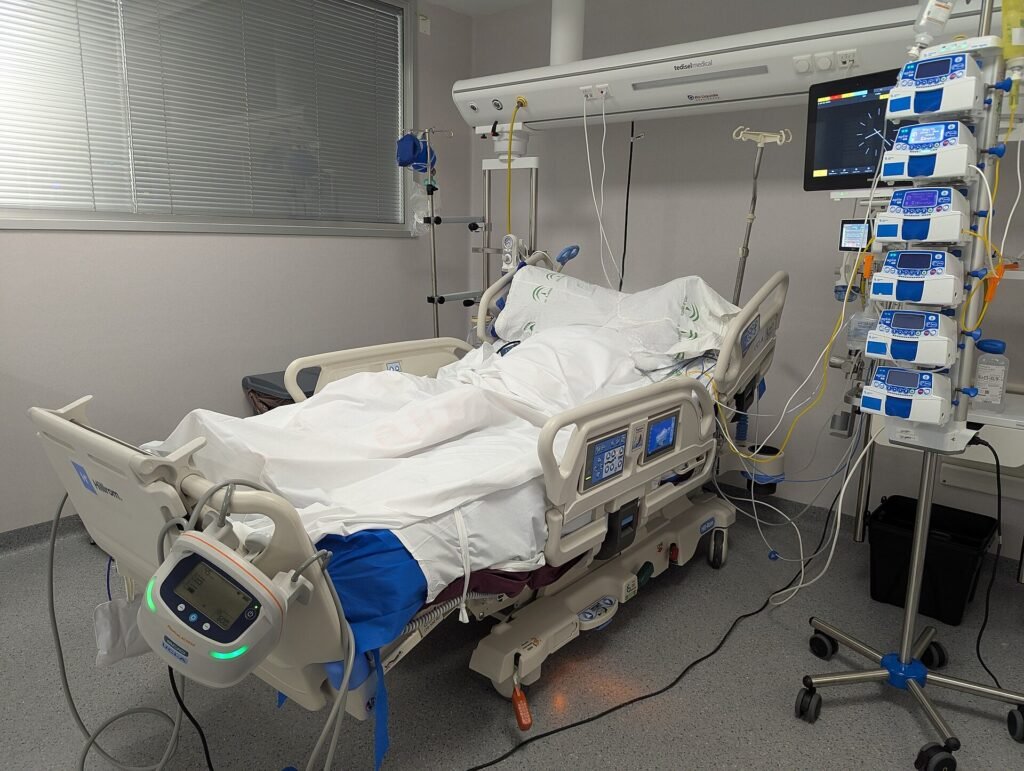
Large hospitals often have several intensive care areas, such as a medical ICU, surgical ICU, cardiac care unit and neonatal or paediatric ICU, plus step-down or high-dependency units for patients who need close watching but not full intensive care. ICUs cost more because of the ratio of nurses to patients, continuous monitoring, specialist doctors on call, and equipment that runs around the clock.
What makes up a day in the ICU

| Component | What it is |
|---|---|
| ICU bed charge | The bed, continuous monitoring and ICU nursing |
| Doctor charges | Visits by the intensivist and other specialists |
| Equipment | Ventilator, infusion pumps, dialysis or other machines, often charged per day or per use |
| Medicines | Injections, antibiotics, sedatives and other drugs |
| Investigations | Blood tests, X-rays and scans, sometimes several times a day |
| Procedures | Line insertions, tubes, bedside procedures |
| Consumables | Tubing, catheters, dressings, gloves and similar items |
Because several of these can apply every day, a few days in the ICU can cost more than a week in a ward. The exact amount depends on how unwell the patient is and what support they need, which can change from day to day.
A public-sector example
Government hospitals charge far less. As one published example, in 2022 AIIMS New Delhi revised its private ward rates to 3,000 rupees per day for B-class and 6,000 rupees per day for A-class rooms, and set diet charges at 300 rupees per day, according to reports of its official order. General ward care at government hospitals is heavily subsidised. See is treatment free at AIIMS and government hospitals.
How insurance treats room and ICU charges
- Room rent limits: some policies cap the room rent they will pay per day. Choosing a higher room can lead to proportionate deduction of some linked charges. See room rent capping explained.
- ICU limits: some policies also set a daily ICU limit. Check your policy schedule.
- No proportionate deduction for ICU: under IRDAI norms issued in 2020, insurers should not apply proportionate deduction to ICU charges.
- Non-payable items: many consumables may not be paid by standard policies. See hospital consumables explained.
How to estimate daily costs before admission
- Ask for the tariff for each room category and each ICU type.
- Ask what the daily charge includes, especially nursing, diet and doctor visits.
- Ask how other charges change with room category.
- Ask for an estimate that assumes a realistic number of ward and ICU days for the planned treatment, and note that ICU days are hard to predict.
- Check your policy for room and ICU limits.
Keeping track during an ICU stay
An ICU stay is stressful, and bills are the last thing families want to think about. A simple routine helps: ask for an interim bill every day or two, ask the billing desk to flag major new items, and keep a note of what the doctors have said about the plan. This avoids a large surprise at discharge and makes it easier to plan payments or insurance top-ups.
How NEIMHAANS supports families
When a family is far from home and a relative moves into intensive care, the practical load can be overwhelming. NEIMHAANS, a non-clinical concierge that has supported families from Northeast India since 2007, helps by collecting room and ICU tariffs before admission, requesting interim bills during the stay, keeping relatives updated, and organising documents for the insurer. Medical decisions always stay with the treating team. See our services.
Frequently asked questions
Does the daily ICU charge include everything?
Usually not. The ICU bed charge normally covers the bed, basic monitoring and nursing. Ventilator or special equipment, doctor visits, medicines, tests, consumables and procedures are often billed separately. Ask the hospital what its ICU day charge includes.
Why does the daily room rent affect the whole bill?
Many hospitals price doctor visits, nursing and some procedures according to room category, so a higher room can raise several other charges, not just the rent.
Does health insurance pay ICU charges?
For admissible claims, ICU charges are generally payable, sometimes up to a daily ICU limit in your policy. Under IRDAI norms from 2020, insurers should not apply proportionate deduction to ICU charges.
How can I keep track of ICU costs?
Ask for an interim bill every day or two, and ask the treating team or billing desk to tell you when a major new item such as a ventilator or procedure is started.
Are government hospital rooms cheaper?
Generally yes. Government hospitals charge little or nothing for general wards and set modest rates for private wards. For example, AIIMS New Delhi set private ward rates of 3,000 and 6,000 rupees per day in 2022, according to reports of its official order.
This article is part of our complete guide to hospital costs in India.
This article is general information, not medical, legal, insurance or financial advice. Rules, schemes and hospital policies change, so always confirm details with your hospital, insurer or the relevant authority.