The short answer: the right cancer hospital in India depends on your specific diagnosis and treatment type far more than on any single ranking — a centre exceptional at proton therapy is not automatically the best choice for a blood cancer needing CAR-T, and vice versa. This guide is organised by treatment type for exactly that reason, and covers costs, leading centres, and what a realistic treatment timeline looks like.
Cancer treatment decisions are urgent and personal, and international patients are often weighing a genuine trade-off: waiting months for treatment at home, paying a price that isn’t realistic, or exploring options where advanced treatment is both available and affordable. India has become a serious option specifically because several of its cancer centres combine both, backed by JCI accreditation and, in some cases, technology available at only a handful of centres worldwide.
By treatment type
Proton therapy. Apollo Proton Cancer Centre in Chennai is one of fewer than 100 proton therapy centres globally, and the first in South Asia. Proton therapy delivers radiation with greater precision than conventional radiotherapy, which can mean significantly fewer side effects for certain tumour types and locations, particularly tumours near sensitive structures.
CAR-T cell therapy. Max Healthcare (Delhi) and HCG Cancer Centre (Bangalore) both offer CAR-T for specific blood cancers — leukaemia, lymphoma, and multiple myeloma. A treatment costing $400,000 or more in the US is available from roughly $45,000 at these centres, though eligibility depends heavily on your specific diagnosis and prior treatment history.
All cancer types, dedicated oncology focus. HCG Cancer Centre operates 22+ centres with 450+ oncology specialists treating cancer exclusively, rather than as one department competing for resources inside a general hospital, with in-house genomic and molecular labs supporting personalised treatment planning.
Bone marrow transplant for blood cancers. Artemis Hospital and HCG Cancer Centre both run established BMT programmes for haematological cancers requiring transplant, with dedicated transplant units separate from general oncology wards.
Surgical oncology and robotic cancer surgery. Kokilaben Hospital in Mumbai and Apollo Hospitals both offer robotic-assisted cancer surgery for appropriate tumour types, which can mean less invasive procedures and shorter recovery for eligible patients.
Typical costs
| Treatment | India (from) | USA |
|---|---|---|
| Chemotherapy (per cycle) | $2,000 | $10,000 |
| Proton therapy (full course) | $20,000–$22,000 | $100,000 |
| CAR-T cell therapy | $45,000 | $400,000+ |
| Radiation therapy (full course) | $5,000 | $30,000+ |
| Bone marrow transplant | $18,000 | $200,000 |
| Robotic surgical oncology | $7,000–$8,000 | $50,000+ |
Cancer treatment cost is unusually dependent on the specific treatment protocol, number of cycles, and any combination therapies involved — the figures above are per-unit starting points, not full-course totals in every case. Ask for a total estimated cost across the full recommended treatment course, not just the first cycle.
Why a dedicated cancer hospital can matter
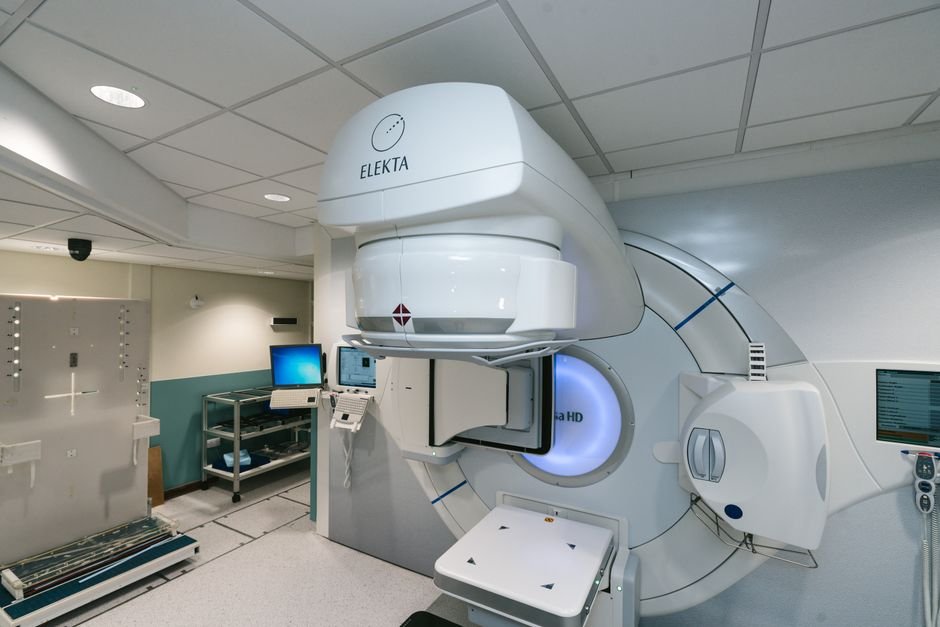
Facilities focused solely on oncology often report faster diagnosis-to-treatment timelines, simply because protocols, tumour boards, and equipment aren’t shared across unrelated departments. This isn’t universally true of every case, but it is a real structural difference worth asking about — particularly for rare or complex cancers where a multidisciplinary tumour board’s depth of experience matters. A dedicated centre is also more likely to have on-site genomic testing, which can meaningfully affect treatment selection for certain cancer types.
Getting a second opinion before you travel
Most major Indian cancer centres offer remote review of your existing pathology reports, imaging, and treatment history before you commit to travelling — and this is worth doing for any cancer diagnosis, not just complex ones. Some patients whose cancer was described as inoperable at home have found surgical or treatment options after a second opinion; this is not a guarantee for any specific case, but it is a reasonable reason to seek a qualified second opinion before ruling anything out. A second opinion typically takes a few days once your full pathology and imaging are shared.
What treatment actually involves, step by step
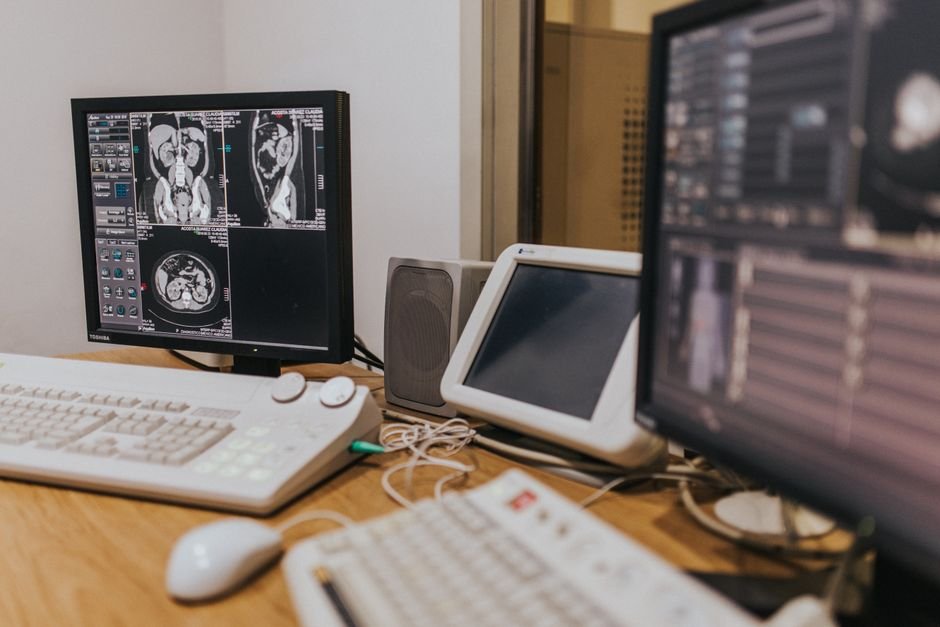
- Share your pathology report, imaging, and treatment history for remote specialist review.
- Receive a treatment recommendation and cost estimate, which may include chemotherapy, radiation, surgery, or a combination.
- Apply for a medical visa, with the hospital’s invitation letter supporting the application.
- Travel to India for a more detailed in-person evaluation, sometimes including additional diagnostics before treatment begins.
- Undergo treatment, which for chemotherapy or radiation may involve multiple visits or an extended stay depending on the protocol.
- Receive a detailed treatment summary to continue any ongoing care with your oncologist at home.
What to prepare before reaching out
Have your pathology report, imaging (CT/MRI/PET scans), a summary of any treatment already received, and your current oncologist’s notes ready in digital form. This lets a specialist team give you a genuinely useful opinion rather than a generic response, and can meaningfully speed up how quickly you get a clear treatment recommendation.
Emotional and practical support during treatment
Cancer treatment abroad adds a layer of stress beyond the medical situation itself — being away from your usual support network during a difficult time is real, and worth acknowledging rather than minimising. Ask whether the hospital offers patient support services, translation, or connections to other international patients undergoing similar treatment; many of the larger centres have built this infrastructure specifically because they see so many international cancer patients.

Frequently asked questions
Is a second opinion possible before travelling? Yes — most major centres offer remote specialist review of your existing reports and scans, typically within a few days.
What if my cancer was called inoperable at home? Some patients find surgical or treatment options in India that weren’t offered elsewhere — this varies by case and isn’t guaranteed, but it is worth a second opinion before ruling it out entirely.
How is CAR-T therapy administered, practically speaking? It involves collecting your own immune cells, sending them for laboratory modification, and then infusing them back — the full process, including manufacturing time, typically spans several weeks in India.
Do these hospitals treat rare or unusual cancer types? Dedicated oncology centres like HCG specifically highlight experience with rare and complex diagnoses, but always confirm directly with your specific pathology rather than assuming.
Is chemotherapy quality comparable to what I’d get at home? India’s JCI-accredited cancer centres follow internationally recognised chemotherapy protocols; the drugs and regimens used are largely the same as those used globally, though always confirm the specific protocol with your oncology team.
Can ongoing chemotherapy cycles continue after I return home? Often yes, with your home oncologist continuing a plan established in India — ask for detailed treatment documentation before you leave to make this handoff smooth.
How long does a full course of radiation therapy take? This varies significantly by cancer type and treatment plan, ranging from a single session to several weeks of daily sessions — your oncology team will give you a specific timeline once your treatment plan is finalised.
Will genetic or genomic testing be part of my treatment planning? Increasingly common for certain cancer types, particularly at centres with in-house genomic labs — ask whether it’s recommended for your specific diagnosis.
What if I need ongoing follow-up scans after treatment? Ask how the hospital coordinates this with your home oncologist, since cancer follow-up typically continues for years, not weeks.
This article is general information, not medical advice — any cancer treatment decision should be made with a qualified oncologist reviewing your specific pathology and case history. Send your pathology report for a treatment-matching consultation.