The short answer: all three are major, JCI-accredited medical tourism destinations, but they are not interchangeable. India leads on complex, high-volume procedures like organ transplants and cardiac surgery; Turkey has built a specific global reputation in hair transplant and dental work; Thailand is a well-established destination for cosmetic surgery and combining treatment with a wellness-focused recovery trip. Choosing between them should start with your specific procedure, not a general sense of which country is u201cbest.u201d
At a glance
| India | Turkey | Thailand | |
|---|---|---|---|
| Strongest for | Complex transplants, cardiac, oncology | Hair transplant, dental, cosmetic | Cosmetic surgery, wellness, dental |
| Typical savings vs US | 60–80% | 50–70% | 50–65% |
| Accreditation | JCI, NABH | JCI | JCI |
| Common source regions | Africa, Middle East, South Asia | Europe, Middle East | Southeast Asia, Australia, Middle East |
| Typical flight hub access | Strong from Africa and the Gulf | Strong from Europe | Strong from East Asia and Australia |
When India is the better choice
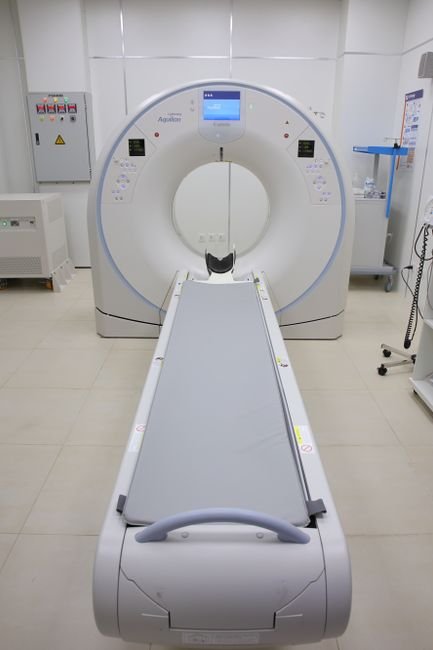
For high-complexity procedures — organ transplants, advanced cardiac surgery, and cancers requiring specialist surgical volume — India’s transplant centres perform some of the highest case volumes in Asia, which matters directly for outcomes in procedures where experience and repetition genuinely reduce risk. India is also generally the more affordable of the three for major surgery specifically, even compared to Turkey and Thailand’s own already-discounted pricing relative to the US.
When Turkey may fit better
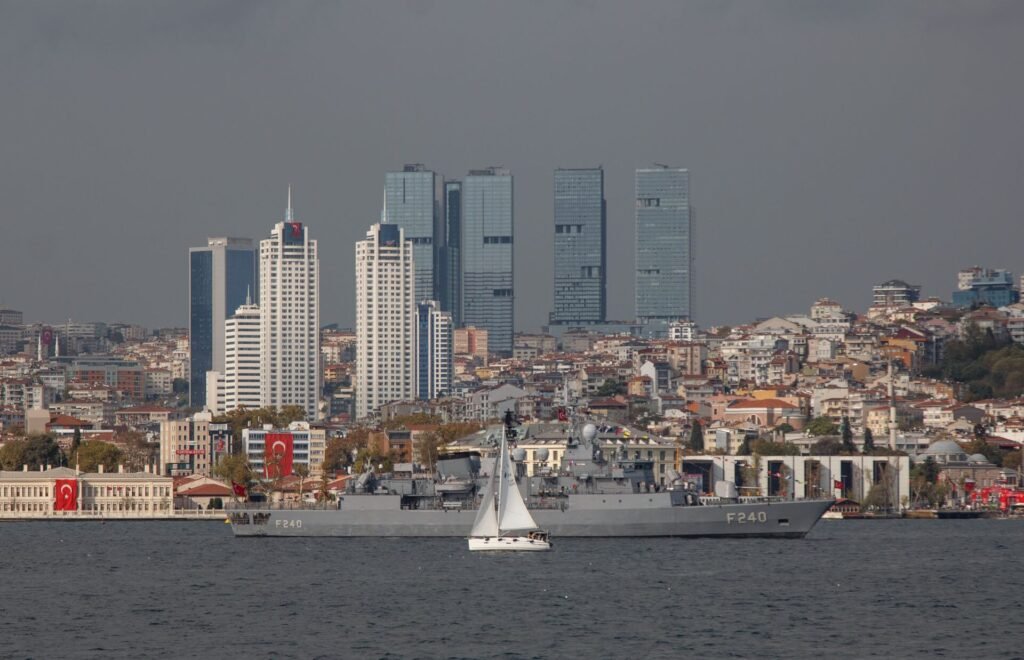
Turkey has built a strong specific reputation in hair transplant, particularly FUE techniques, and in dental work including full-mouth reconstructions, often at price points and package structures specifically built around short, focused trips. Turkey’s geographic position also makes it a practical choice for European patients seeking a shorter flight than travelling to India or Thailand.
When Thailand may fit better
Thailand is a well-established destination for cosmetic and plastic surgery, and its broader tourism and wellness infrastructure makes it a natural fit for patients who want to combine recovery with a resort-style environment. Thailand also has strong dental tourism infrastructure, similar in positioning to Turkey’s.
Comparing typical costs by procedure type
| Procedure | India | Turkey | Thailand |
|---|---|---|---|
| Cardiac bypass | $5,500–$6,000 | $12,000–$18,000 | $15,000–$20,000 |
| Hair transplant | $1,500–$3,000 | $2,000–$4,000 (specialised packages) | $2,500–$4,500 |
| Dental implants (per tooth) | $500–$900 | $500–$1,000 | $800–$1,200 |
| Cosmetic surgery (e.g. rhinoplasty) | $2,000–$3,500 | $2,500–$4,000 | $2,500–$4,500 |
Accreditation across all three
All three countries have JCI-accredited hospitals, meaning the underlying clinical audit standard is comparable at accredited facilities regardless of country. The meaningful safety question is always about the specific hospital and surgeon, not the country as a whole — a JCI-accredited hospital in any of these three destinations should be held to the same standard.
Practical logistics to factor in
Flight time and visa process differ meaningfully between the three. India’s e-Medical Visa system is specifically built for treatment travel; Turkey and Thailand have their own tourist and medical visa arrangements that vary by nationality. Language support also varies — India’s major hospitals default to English as the medical communication language, while Turkey and Thailand’s international patient departments typically offer their own set of language services geared toward their typical patient base.
Practical factors beyond price
| Factor | Questions to ask |
|---|---|
| Travel time and flights | How long is the journey, and can the patient travel comfortably before and after treatment? |
| Visas | What visa is needed, how long does it take, and can family members come? |
| Language | Will doctors and staff communicate clearly in your language? |
| Follow-up | How will the treating team stay involved after you return home? |
| Total trip cost | What will flights, accommodation and food add to the treatment estimate? |
For India specifically, most international patients use the e-Medical Visa, generally valid for 60 days from first arrival with multiple entries, according to the official e-Visa FAQ and up to two family attendants. See our medical visa guide.
Choosing based on your treatment
The right destination depends on the treatment and the team, not the country alone. For complex procedures, ask each hospital about its experience with your condition, request written plans and estimates, and compare them on the same basis. Our guide to hospital costs explains how to compare estimates fairly.
For India in depth, see our complete guide to medical tourism in India.
For a wider view of global rankings, see the best countries for medical tourism.
Frequently asked questions
Is one destination "safer" than the others? All three have JCI-accredited facilities — safety depends more on the specific hospital and surgeon than the country as a whole.
Can I combine treatments across countries? Some patients do split care — for example, complex surgery in India followed by cosmetic touch-ups elsewhere — but this adds complexity in coordinating records and follow-up, so plan carefully if considering this.
Which destination has the shortest flights from Africa? India generally has stronger flight connectivity from East and West Africa than Turkey or Thailand, which matters for both cost and travel fatigue around major surgery.
Does one destination have better English proficiency among medical staff? India’s major private hospitals use English as the default clinical communication language; Turkey and Thailand’s international patient departments typically provide interpretation services tailored to their patient mix.
Is recovery-focused travel (wellness tourism) available in India too? Less commonly marketed than in Thailand specifically, though many Indian hospitals do offer post-treatment recovery packages — ask directly if this is important to you.
Not sure which destination fits your treatment? Tell us your diagnosis and we’ll help you compare realistically.