The short answer: yes, at India’s JCI-accredited hospitals — which hold the same accreditation standard applied to leading hospitals in the US and UK, independently verifying surgical outcomes, infection control, and surgeon credentials. Safety in medical tourism is really a question about the specific hospital, not the country as a whole, and this guide covers exactly what to check.
What to actually check before booking
- Confirm current JCI or NABH accreditation directly with the hospital, not just a facilitator’s claim, by checking the accrediting body’s own published list
- Ask about the specific surgeon’s case volume for your exact procedure, not just general experience
- Confirm what’s included in your cost estimate — complications, follow-up, extended stay — in writing
- Look for a dedicated international patient department with English-speaking coordinators and a named point of contact
- Ask how the hospital handles medical records transfer back to your home doctor
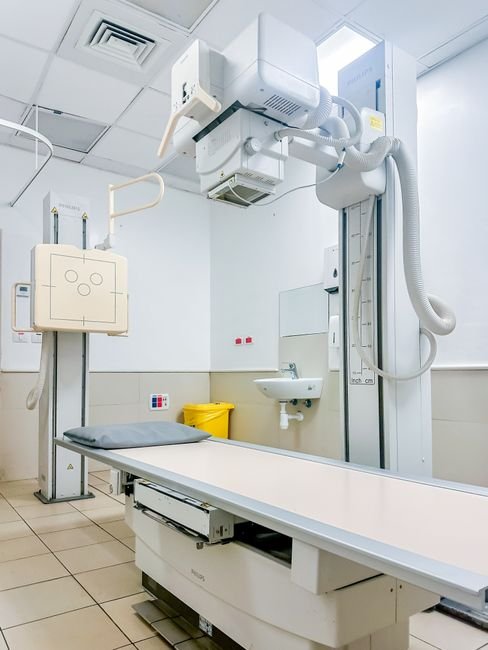
Why volume matters for safety specifically
India’s top transplant and cardiac centres collectively perform very high numbers of complex procedures annually — surgical volume is one of the strongest predictors of good outcomes in transplant and cardiac surgery specifically, since teams that perform a procedure frequently develop refined protocols for handling the complications that inevitably arise in a percentage of cases.
Infection control and hygiene standards
JCI accreditation specifically audits infection-control protocols as a core part of its standard, covering everything from surgical sterilisation to hospital-wide hygiene practices. This is independently verified on a recurring basis, not a one-time inspection, which is part of why accreditation status is worth confirming as current rather than assuming it’s permanent once granted.

What happens if something goes wrong
No hospital, anywhere in the world, can promise zero complications, and a hospital that implies otherwise should be treated with scepticism. What a good hospital can and should offer is a clear, upfront explanation of how complications are handled — whether additional treatment costs are covered under the original estimate or billed separately, and what the escalation process looks like if something unexpected arises during your stay.
Verifying a hospital independently
Beyond the hospital’s own marketing materials, check the JCI and NABH official websites for current accreditation status, look for independent patient reviews specifically from international patients with a similar procedure, and don’t hesitate to ask the hospital directly for verifiable references.
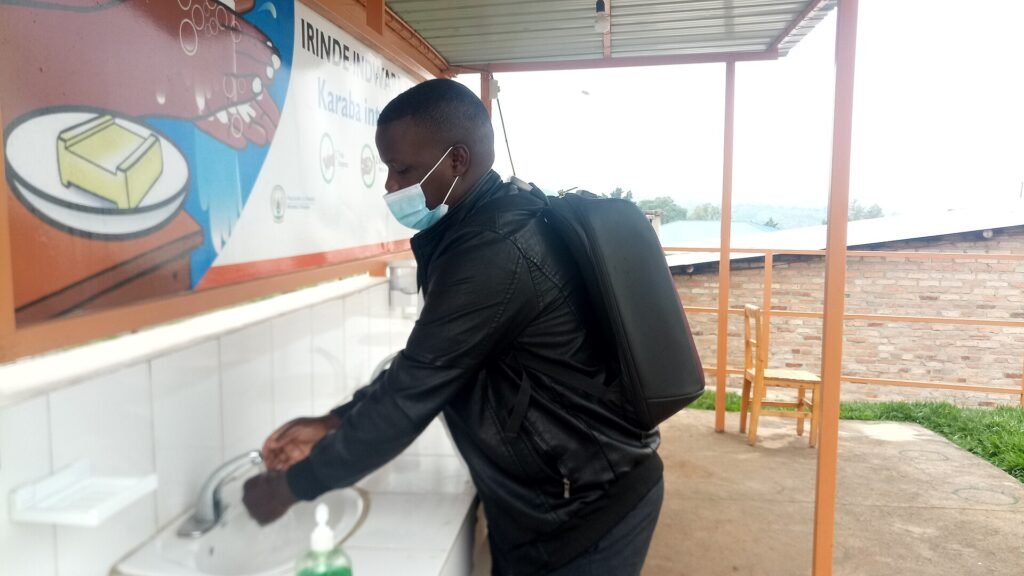
How to check a hospital’s safety standards
- Accreditation: NABH in India, and JCI for some hospitals. See JCI vs NABH accreditation.
- Intensive care and emergency cover on site, with specialists available around the clock.
- Infection control: ask how the hospital monitors and reports infections.
- Blood bank and laboratory quality, including NABL accreditation for labs.
- Clear written consent, estimates and discharge summaries.
Staying safe as a visitor
Major Indian cities are used to receiving patients from across India and abroad. Sensible precautions help: use taxis booked through the hospital or reputable apps, keep copies of passports and visas, avoid carrying large amounts of cash, and pay the hospital only through its official billing desk or account. Be cautious with anyone at airports, stations or hospital gates offering appointments, rooms or “help” for a fee.
Health precautions for patients and caregivers
Drink bottled or boiled water, choose freshly cooked food, and wash hands often, especially around a patient who has had surgery. In northern India, winter air quality can be poor, so ask the doctor whether this matters for the patient. Heavy monsoon rain can also disrupt travel in some cities, so keep buffer time for hospital visits.
Questions to ask any hospital before choosing it
- How many patients with my condition does this team treat each year?
- Which consultant will be responsible for my care, and who covers when they are away?
- What happens if there is a complication, and is intensive care available on site?
- Can I have the treatment plan, estimate and consent forms in writing before admission?
- Who can my family contact for updates?
Clear, confident answers are one of the best signs of a well-run hospital.
Frequently asked questions
What happens if there’s a complication? Ask upfront how the hospital handles extended stays or additional procedures — reputable hospitals will explain this clearly before you travel rather than leaving it vague.
Is drinking water and food safety a concern during a hospital stay? Major private hospitals catering to international patients maintain their own food and water safety standards for patients, separate from general public infrastructure concerns.
How do I verify a surgeon’s specific credentials? Ask directly for their qualifications, case volume for your specific procedure, and whether they’re affiliated with recognised medical associations — a hospital confident in its team will provide this readily.
Are there specific safety concerns for women travelling alone for treatment? Major international patient departments are generally experienced in supporting solo travellers, but it’s reasonable to ask directly about arrangements, transport, and accommodation safety specific to your situation.
Still have safety questions? Ask us — we’ll answer directly, including anything we don’t have a good answer for.