Quick answer: Medical concierge services in Mumbai are non-clinical services that help patients and families plan and manage treatment in the city. A concierge helps organise reports, request written estimates, confirm appointments, plan travel and a stay you can afford near the hospital, support you through hospital processes and paperwork, and keep relatives informed during what is often a long stay. All medical decisions are made by the hospital and your doctors.
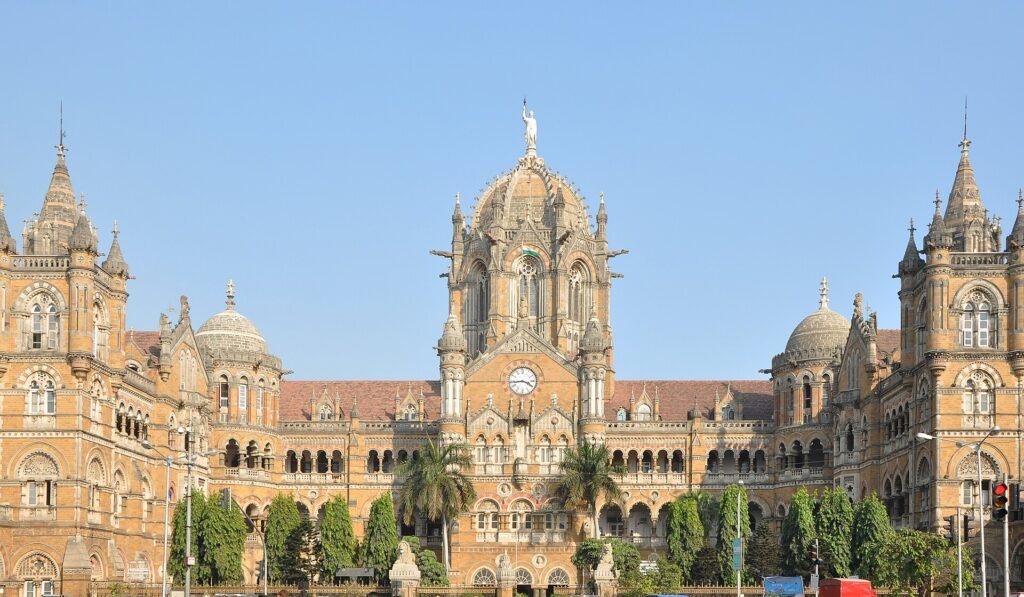
Mumbai is home to the Tata Memorial Hospital in Parel, the central hub of the Tata Memorial Centre and India’s oldest and largest cancer institute, along with many large private hospitals. For families from Northeast India, a Mumbai trip is most often about cancer care, and it tends to be long, expensive and tiring: the city is huge, accommodation near the big hospitals is scarce and costly, and treatment may run for weeks. NEIMHAANS has been helping families plan treatment journeys since 2007. This guide covers what a concierge can do for a Mumbai trip and the practical things families most often wish they had known.
What a medical concierge in Mumbai does
- Prepares your case: organises reports, scans and prescriptions so the hospital sees a complete, well-ordered file.
- Estimates and appointments: requests written estimates from hospitals and confirms consultation and test dates before you travel.
- Travel and stay: plans your arrival and helps you find accommodation within practical reach of the hospital and within budget.
- Hospital days: helps the family through registration, billing, diagnostics and pharmacy, and keeps a clear record of dates and instructions.
- Long-stay planning: helps you plan for repeat visits, treatment cycles, caregiver changes and budgets.
- Paperwork and insurance: supports documentation and insurance steps with the hospital’s own desks.
- Family updates and follow-up: keeps relatives informed and helps coordinate follow-up after you return home.
A concierge does not diagnose or advise on treatment. For more on the role, read what a medical concierge service is.
Before you travel for cancer care: is Guwahati an option?
Many families do not realise that the Dr. B. Borooah Cancer Institute (BBCI) in Guwahati is a unit of the Tata Memorial Centre. That does not mean every treatment available in Mumbai is available in Guwahati, but it is worth asking your treating doctor whether some consultations, tests or parts of treatment could happen closer to home, and whether a Mumbai visit is needed at all. That single conversation can save a family a great deal of travel, money and strain.
If Mumbai is the right choice, also confirm which Tata Memorial Centre site your appointment is at. Besides Tata Memorial Hospital in Parel, the centre runs ACTREC in Kharghar, Navi Mumbai, which is a long way from Parel by road.
Where some of Mumbai’s major hospitals are
Mumbai stretches a long way from south to north, and daily travel across it can take hours. Choose your stay by the hospital’s location. This is a location guide, not a ranking.
| Area | Hospitals families often ask about |
|---|---|
| Parel | Tata Memorial Hospital, KEM Hospital |
| Kharghar, Navi Mumbai | ACTREC (Tata Memorial Centre) |
| Girgaon | Sir H. N. Reliance Foundation Hospital |
| Peddar Road | Jaslok Hospital |
| Bandra West | Lilavati Hospital |
| Mahim | P. D. Hinduja Hospital |
| Bandra Kurla Complex | Asian Heart Institute |
| Andheri West | Kokilaben Dhirubhai Ambani Hospital |
For more, see our guide to the best hospitals in Mumbai for international patients.
Mumbai practicalities families should plan for
Accommodation near the hospital
Rooms close to the big hospitals, especially around Parel, are limited and expensive, and many families end up far away with long daily commutes. Start looking early, choose a place you can extend, and ask the hospital’s patient services or social work team whether they know of charitable or budget accommodation for patients’ families.
Getting around
Mumbai’s local trains are fast but extremely crowded, and not suitable for a patient who is unwell or recovering. Use taxis or app cabs for hospital trips and allow for heavy traffic. Long-distance trains arrive at stations such as Chhatrapati Shivaji Maharaj Terminus, Dadar and Lokmanya Tilak Terminus, so check which one your train uses and how far it is from your stay.
The monsoon
Mumbai’s monsoon, roughly June to September, brings very heavy rain and waterlogging that can slow or stop road travel. If you have appointments in these months, stay as close to the hospital as you can and keep buffer time for every trip.
Language
Marathi is the state language, and Hindi is spoken very widely, so Hindi-speaking families usually manage everyday conversations easily. Hospital paperwork is mostly in English, so it helps to have someone explain what each document is for.
Planning for a long stay
Cancer care and other complex treatments often involve several visits or treatment cycles over weeks or months. Families who cope best usually plan for this from the start:
- Budget for accommodation, food and local travel for the whole likely period, not just the first visit.
- Plan caregiver changes so one person is not exhausted, and decide who at home receives updates.
- Keep a folder of every report, bill and appointment slip in date order.
- Ask the hospital early which visits need you in Mumbai and which reviews could be done remotely.
- Consider a single coordinator for the whole journey. Our article on what a dedicated case manager does explains why continuity helps.
How the process works, step by step
Step 1: Reports, questions and estimates
Organise reports in date order, ask your doctor whether treatment closer to home is possible, and, if Mumbai is needed, request written estimates and the expected length of stay from the hospitals you are considering.
Step 2: Confirm dates, then book travel and stay
Confirm the first appointment and which site it is at before booking flights or trains. Then arrange accommodation near that site.
Step 3: Consultation, tests and treatment
On hospital days, the concierge helps the family through registration and the various counters, keeps track of test dates and instructions, and supports admission paperwork if needed. See our guide on hospital admission paperwork.
Step 4: Going home and follow-up
Before leaving Mumbai, make sure you have the discharge or treatment summary, prescriptions, reports and a clear follow-up plan. Read how follow-up works after you fly home.
Documents to carry
- Photo ID for the patient and caregiver (passport and visa for international patients).
- All earlier reports, biopsy and scan reports, slides or blocks if your doctor asks for them, CDs, prescriptions and discharge summaries.
- Your referral letter, if you have one.
- Insurance details and card, or your Ayushman Bharat PM-JAY card if applicable.
- A list of current medicines and doses.
- Several photocopies of ID and key reports.
Paying for treatment: insurance and schemes
Ask for written estimates and what could change them over a long course of treatment. Cashless treatment needs the hospital to be in your insurer’s network and pre-authorisation to be approved. Maharashtra’s Mahatma Jyotiba Phule Jan Arogya Yojana is for eligible Maharashtra residents, so families from other states should check their own insurance or Ayushman Bharat PM-JAY eligibility at empanelled hospitals. Always confirm coverage for the specific hospital and treatment before you travel. See how cashless and direct-billing treatment works.
How much does a medical concierge in Mumbai cost?
The concierge fee is separate from hospital, travel and accommodation costs. It may be charged per visit, per treatment journey, or monthly for longer courses of treatment. The main cost drivers in Mumbai are the length of stay and how much on-ground support you need. Ask for the scope and fee in writing before you start. NEIMHAANS shares its pricing on a free consultation call.
How to choose a medical concierge for Mumbai
- They state clearly that they are non-clinical.
- They share the hospitals’ own written estimates, not only their own figures.
- They tell you whether they receive referral fees from hospitals, lodges or transport providers.
- They are honest about what on-ground support they can actually provide in Mumbai.
- They stay involved for follow-up after you go home.
- Walk away from anyone selling faster appointments at public hospitals, guaranteed outcomes, or cash-only fees without receipts.
Our checklist of 10 questions to ask a medical concierge goes into more detail.
How NEIMHAANS can help with a Mumbai journey
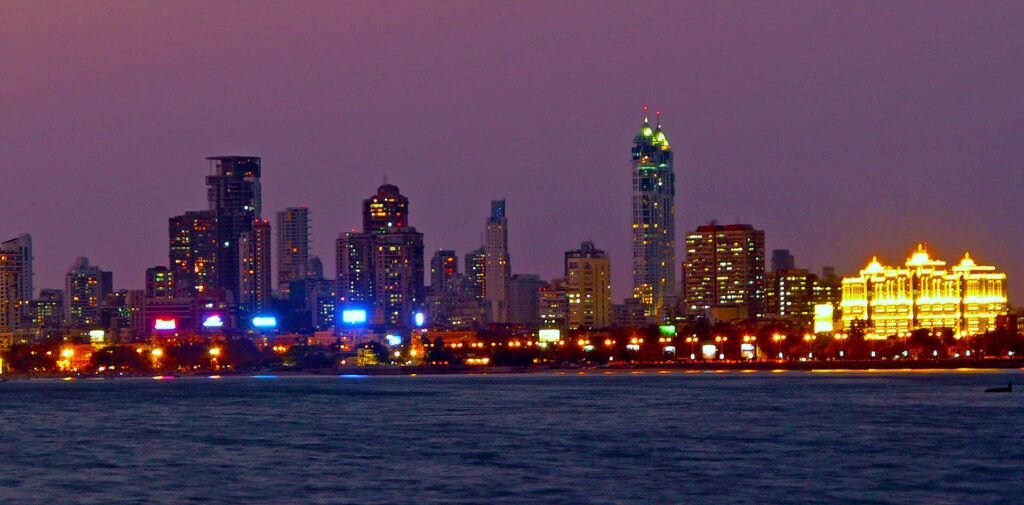
NEIMHAANS is a non-clinical healthcare concierge that has supported families travelling for treatment since 2007, with a special focus on families from Northeast India. Our main on-ground work is in South India. For Mumbai, much of the most valuable help happens before you leave home: organising reports, asking the right questions, comparing estimates, planning travel and stay, and keeping the whole family informed. Talk to us on a free call and we will be clear about exactly which parts of your Mumbai journey we can support.
See our services and how it works. If treatment in South India is also an option, compare our guides to Bangalore, Hyderabad, Chennai, Vellore and Kochi. Considering Delhi? Read our Delhi NCR guide.
Frequently asked questions
Is the cancer institute in Guwahati part of Tata Memorial?
Yes. The Dr. B. Borooah Cancer Institute in Guwahati is a unit of the Tata Memorial Centre. Ask your treating doctor whether any consultations, tests or treatment could be done there before planning a trip to Mumbai.
Which Tata Memorial site will our appointment be at?
Check your appointment details carefully. Tata Memorial Hospital is in Parel, while ACTREC is in Kharghar, Navi Mumbai, a long way away by road. Book accommodation only after confirming the site.
Where can families stay near Tata Memorial Hospital?
Accommodation near Parel is limited and expensive. Start looking early, choose somewhere you can extend, and ask the hospital’s patient services or social work team about charitable or budget options.
Is the monsoon a problem for treatment in Mumbai?
Hospitals keep working, but heavy rain between roughly June and September can flood roads and slow travel. Stay close to the hospital in those months and allow extra time for every trip.
Can families from other states use the Maharashtra government health scheme?
Mahatma Jyotiba Phule Jan Arogya Yojana is for eligible Maharashtra residents. Families from other states should check their own insurance or Ayushman Bharat PM-JAY eligibility at empanelled hospitals.
Does a medical concierge give medical advice?
No. A medical concierge is non-clinical. Diagnosis, treatment decisions and medical advice always come from the hospital and your doctors.
This article is general information and not medical advice. Hospital processes and schemes change over time, so always confirm details with the hospital or scheme directly. NEIMHAANS is an independent service and is not affiliated with the Tata Memorial Centre or any hospital named here.