Quick answer: As of October 2026, proton therapy in India is offered at two operational centres: Apollo Proton Cancer Centre in Chennai (open since January 2019) and Tata Memorial Centre’s proton facility at ACTREC, Kharghar, Navi Mumbai (treating patients since August 2023). More centres, including two in Hyderabad, have been announced for around 2028. Robotic surgery is far more widely available, in many large private and some public hospitals across Indian cities. Neither technology is automatically “better”: whether it suits you depends on your diagnosis, the tumour’s location and your doctor’s judgement.
This guide explains both in plain words, lists where proton therapy is available, and gives you the questions to ask before you travel. It is written for families planning treatment away from home, including international patients. For the wider picture, see our complete guide to medical tourism in India.
What is proton therapy, in simple words?
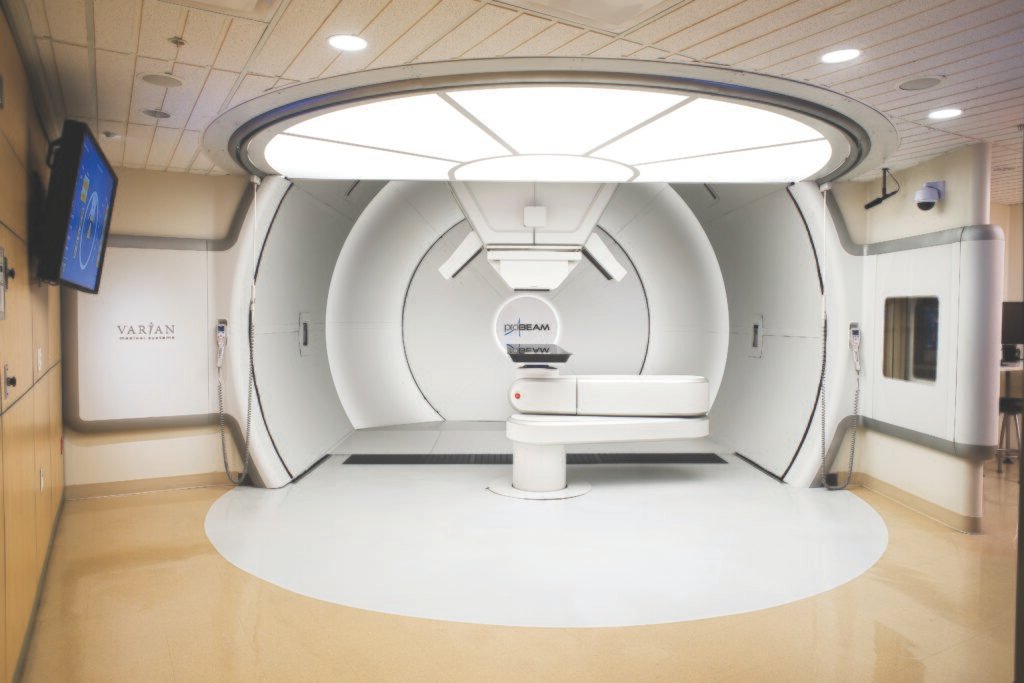
Proton therapy is a type of radiotherapy. Normal radiotherapy uses X-ray beams (also called photons). Proton therapy uses a beam of tiny charged particles called protons instead.
The key difference is where the energy goes. According to the US National Cancer Institute, X-ray beams keep travelling after they reach the tumour and pass into the healthy tissue behind it. Proton beams can be set to stop at the tumour. In theory, this means less radiation reaches nearby healthy organs.
That matters most when a tumour sits close to something delicate, like the brainstem, spinal cord, eyes or optic nerves, or when the patient is a child whose body is still growing. It matters less, or not at all, for many other cancers where modern X-ray techniques already work very well.
Which cancers is proton therapy commonly considered for?
Credible sources describe these as cases where proton therapy is often considered, not cases where it is always used:
- Childhood cancers, where limiting radiation to growing tissue is a priority.
- Brain and skull-base tumours, and tumours near the brainstem or spinal cord.
- Eye tumours and some head and neck cancers.
- Some bone tumours (sarcomas) and some deep abdominal or pelvic tumours.
- Some recurrent cancers, where an area has already had radiation before.
Tata Memorial Centre has reported that brain and spinal cord tumours were the most common cases at its proton facility, followed by bone tumours and head and neck cancers. It has also treated some gynaecological, breast, prostate and gastrointestinal cancers. Note that practice differs between countries: for example, The Christie NHS hospital in the UK states that NHS prostate cancer patients are not routinely treated with protons.
Only your oncologist can say whether proton therapy is right for you. Many patients are treated just as well with conventional radiotherapy.
Proton therapy vs conventional radiotherapy
| Point | Proton therapy | Conventional (X-ray/photon) radiotherapy |
|---|---|---|
| Type of beam | Protons (charged particles) | High-energy X-rays (photons) |
| Where the dose goes | Can be set to stop at the tumour, with little dose beyond it | Passes through the tumour and continues into tissue behind it |
| Availability in India | Two operational centres (Chennai, Navi Mumbai) as of October 2026 | Widely available in cancer hospitals across the country |
| Typical schedule | Usually daily, Monday to Friday, often over several weeks | Usually daily, Monday to Friday, often over several weeks |
| Cost | Much higher in private hospitals (see cost section) | Generally lower, and more often fully covered by insurance |
| Is it “better”? | Depends on the case: helpful where sparing nearby organs is critical | Standard, proven choice for most cancers |
Where is proton therapy available in India?
| Centre | City | Status (October 2026) | Notes |
|---|---|---|---|
| Apollo Proton Cancer Centre | Chennai, Tamil Nadu | Operational since January 2019 | India’s first proton centre; private; uses pencil-beam scanning; sees international patients |
| Tata Memorial Centre, ACTREC proton facility | Kharghar, Navi Mumbai | Operational since August 2023 | Public, government-supported; three treatment rooms; many patients treated at subsidised rates or free |
| AIG Hospitals (Gachibowli) | Hyderabad, Telangana | Announced; treatment expected to start in early 2028 | Compact single-room system ordered from IBA in 2025 |
| Apollo Hospitals (second proton system) | Hyderabad | Announced; expected to be operational by FY2028 | Compact system announced in March 2025 |
Planned centres can be delayed, so check with the hospital directly before making any plans around them.
Apollo Proton Cancer Centre, Chennai
Apollo opened this centre in January 2019, and it was the first proton therapy facility in India and South East Asia. It is part of a full cancer hospital, so surgery, chemotherapy and imaging are on the same campus. In April 2026, Business Standard reported that it had treated more than 2,500 patients since opening, with roughly a quarter coming from outside India.
Tata Memorial Centre proton facility, Navi Mumbai
Tata Memorial Centre (TMC) is India’s first public hospital to offer proton therapy. The first patients, two people with bone cancer, began treatment on 15 August 2023. By mid-2026, TMC said it had treated 1,000 patients. According to TMC figures reported in July 2026, over 60% of patients were treated at subsidised rates and nearly 30% free of cost, through patient welfare funds and CSR support. Demand is high, so ask about waiting times and eligibility early.
For other cancer options, see our guide to the best cancer treatment hospitals in India.
How long does a course of proton therapy take?
Proton therapy is usually given in many small daily sessions, not one big treatment. The Christie NHS Foundation Trust in the UK says a course can last 3 to 7 weeks, with treatment on weekdays, and each visit taking about 20 to 45 minutes including positioning and imaging. TMC’s first two patients in India were each planned for seven weeks of treatment.
Add time before treatment starts. You will need a consultation, scans and a treatment plan, which can take one to a few weeks depending on the hospital. For families travelling from another state or country, this means planning a stay of roughly one to two months near the centre. Our guide to budget stay and food near the hospital can help.
How much does proton therapy cost in India?
Costs vary a lot by cancer type, number of sessions and hospital. Business Standard reported in April 2026 that a course at Apollo Proton Cancer Centre costs about ₹25 lakh to ₹50 lakh, while TMC’s treatment is free or heavily subsidised for many patients. These are reported figures, not quotes. Always ask for a written, itemised estimate for your own case.
Things that change the final bill include planning scans, the number of sessions, anaesthesia (often needed for young children), other treatments such as chemotherapy, and your stay near the hospital. For more, see our cancer treatment cost guide for India and our tips on a hospital cost estimate audit.
What is robotic surgery?
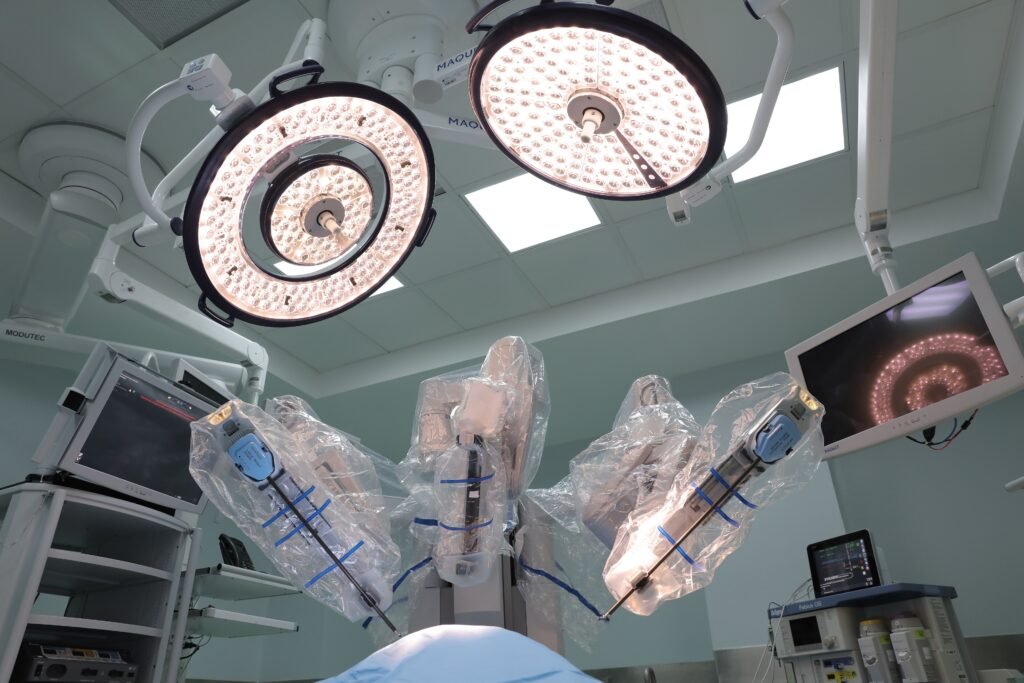
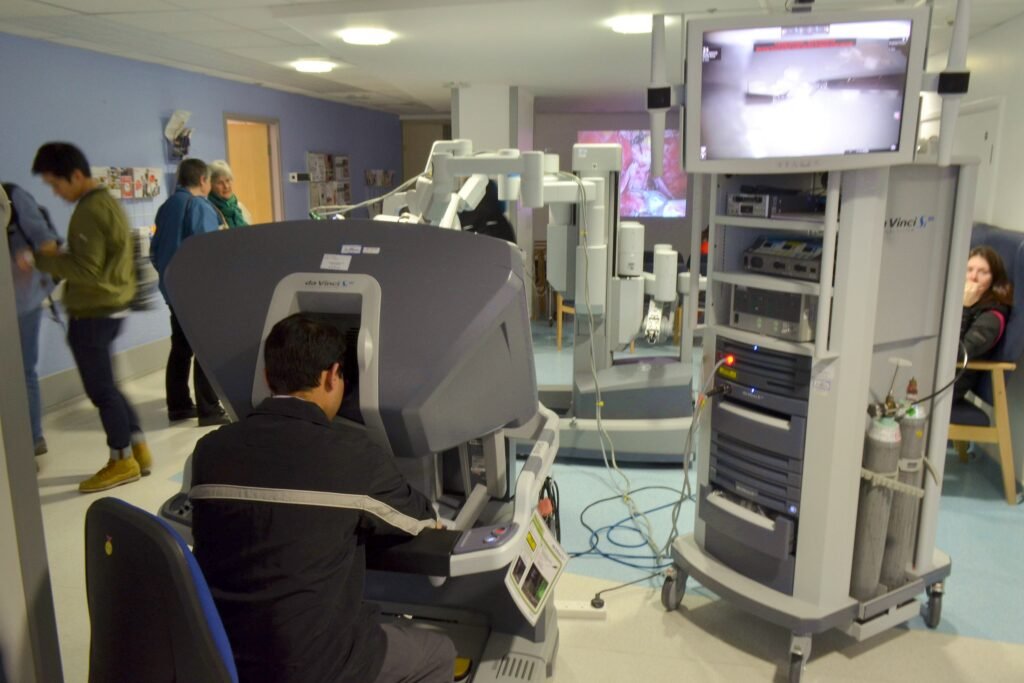
Robotic surgery is a form of keyhole (minimally invasive) surgery. The name is misleading: the robot does not operate on its own. The US FDA points out that these systems cannot perform surgery without direct human control. The surgeon sits at a console near the patient, sees a magnified 3D view inside the body, and moves thin instruments held by robotic arms.
Mayo Clinic notes that surgeons often find these systems improve precision and control, and that keyhole surgery in general can mean less pain, less blood loss and a shorter hospital stay. It also notes that robotic surgery carries risks, like any operation, and is not an option for everyone.
Robotic systems used in India
- da Vinci (Intuitive Surgical): the best-known imported system, used in many large hospitals.
- SSi Mantra (SS Innovations): India’s first home-grown surgical robot. In December 2024 it became the first system certified by CDSCO for telesurgery and teleproctoring in India. The Week reported it costs about a third of an imported da Vinci system for hospitals.
- Orthopaedic robots: systems such as Stryker’s Mako and CUVIS-joint are used by some Indian hospitals for knee and hip replacement.
Common uses of robotic surgery
| Speciality | Examples where robots are often used |
|---|---|
| Urology | Prostate removal for prostate cancer, some kidney surgeries |
| Gynaecology | Hysterectomy, removal of fibroids, some gynaecological cancer surgery |
| Cancer surgery | Some colorectal, head and neck, chest and abdominal cancer operations |
| Orthopaedics | Knee and hip replacement with robot-assisted planning and cutting |
| General surgery | Some hernia, gallbladder and weight-loss surgeries |
Whether a robot helps in your case depends on the operation and, very importantly, on the surgeon’s skill and experience. An experienced surgeon doing open or standard keyhole surgery may be a better choice than a less experienced one using a robot. If you are planning a joint replacement, see our guide to knee and hip replacement costs in India.
Who might proton therapy or robotic surgery suit?
Your treating team decides this, but in general:
- Proton therapy is mostly discussed for children with cancer, and for adults with tumours close to critical organs, or tumours that need re-treatment.
- Robotic surgery is mostly discussed for operations in tight spaces, like the pelvis, where precise movement helps the surgeon.
- Neither is needed for many patients. Standard radiotherapy and standard surgery remain the right choice in many cases.
If a hospital recommends either option, it is reasonable to get a second opinion from an Indian specialist before you travel. Some patients considering advanced cancer care also ask about CAR-T cell therapy or a bone marrow transplant, which are very different treatments for specific blood cancers.
Questions to ask before you choose
For proton therapy
- Why do you recommend protons over conventional radiotherapy for my case? What would the X-ray plan look like?
- How many patients with my type and site of cancer has your centre treated with protons?
- How many sessions and weeks will I need, and how long before treatment starts?
- Will I need chemotherapy, surgery or anaesthesia alongside it?
- What is the written, itemised cost, and what is not included?
- Who handles follow-up and side effects after I go home?
For robotic surgery
- How many robotic operations of this exact type has the surgeon done?
- What are the alternatives (open or standard keyhole surgery), and how do they compare for me?
- What is the cost difference between robotic and non-robotic surgery at this hospital?
- What happens if the surgery needs to be switched to open surgery during the operation?
- How many days in hospital and how long before I can fly home?
Insurance questions
In 2019, IRDAI guidelines listed robotic surgeries among modern treatments that Indian health insurers should cover when medically needed. However, many policies place a sub-limit (a cap) on these claims. Coverage for proton therapy also varies between policies. Ask your insurer in writing: Is this treatment covered? Is there a cap? Do I need pre-approval? International patients should read our guide on travel insurance for medical treatment in India.
How NEIMHAANS helps
NEIMHAANS is a non-clinical patient navigation service that has supported families travelling for treatment since 2007. We do not give medical advice or choose treatments for you, but we help you organise reports for review, arrange appointments, plan a stay of several weeks near a proton or surgical centre, and keep track of written estimates. See our support packages to learn more.
Sources
- Apollo Proton Cancer Centre: opening of India’s first proton therapy centre
- ACTREC (Tata Memorial Centre): first patients receive proton therapy
- Free Press Journal: Tata Memorial proton centre reaches 1,000 patients (July 2026)
- Business Standard: India’s proton therapy capacity, Apollo and Tata (April 2026)
- IBA: Proteus ONE contract with AIG Hospitals, Hyderabad
- Angel One: Apollo announces second proton system for Hyderabad
- US National Cancer Institute: external beam radiation therapy, including protons
- The Christie NHS Foundation Trust: proton beam therapy FAQs
- US FDA: computer-assisted (robotic) surgical systems
- Mayo Clinic: robotic surgery overview
- The Week: SSi Mantra certified by CDSCO for telesurgery
- General Insurance Council: modern treatments in India (PDF)
Frequently asked questions
Which hospitals offer proton therapy in India?
As of October 2026, proton therapy in India is available at Apollo Proton Cancer Centre in Chennai and at Tata Memorial Centre’s ACTREC facility in Kharghar, Navi Mumbai. Further centres in Hyderabad have been announced, with treatment expected from around 2028.
Is proton therapy better than normal radiotherapy?
Not in every case. Proton therapy can reduce radiation to healthy tissue near the tumour, which may matter most for children and tumours close to critical organs, but for many cancers conventional radiotherapy works just as well. Your oncologist should explain why one is recommended over the other.
How long does proton therapy treatment take?
A course is usually given on weekdays over several weeks; The Christie NHS hospital says 3 to 7 weeks is typical. Planning before treatment adds extra time, so travelling families should plan for a stay of about one to two months.
Is proton therapy free at Tata Memorial Centre?
Not for everyone. Tata Memorial Centre reported that nearly 30% of its proton patients were treated free and over 60% at subsidised rates, through patient welfare funds and CSR support. Eligibility is decided by the hospital, so ask TMC directly.
Does a robot perform robotic surgery by itself?
No. In robotic surgery, the surgeon controls every movement from a console, and the robotic arms hold and move the instruments. The surgeon’s experience matters as much as the machine.
Does Indian health insurance cover robotic surgery?
IRDAI’s 2019 guidelines list robotic surgeries among modern treatments that insurers should cover when medically needed, but many policies cap the amount paid. Check your policy wording and ask your insurer for pre-approval in writing.
What is SSi Mantra?
SSi Mantra is India’s first home-grown surgical robot, made by SS Innovations. In December 2024 it became the first system certified by CDSCO for telesurgery in India.
This article is general information, not medical, legal, insurance or financial advice. Rules, schemes and hospital policies change, so always confirm details with your hospital, insurer or the relevant authority.