Quick answer: Spine surgery cost in India depends mostly on the type of operation, how many levels of the spine are treated, the implants used and the hospital you choose. Published guides put general spine surgery in India at roughly ₹1.4 lakh to ₹3.7 lakh in some cities, with spinal fusion quoted from about ₹2.3 lakh to ₹6 lakh and complex or robotic cases higher. These are indicative figures, not quotes. The safest way to plan is to get a second opinion on whether you need surgery at all, then ask two or three accredited hospitals for written, itemised estimates based on your own MRI and reports.
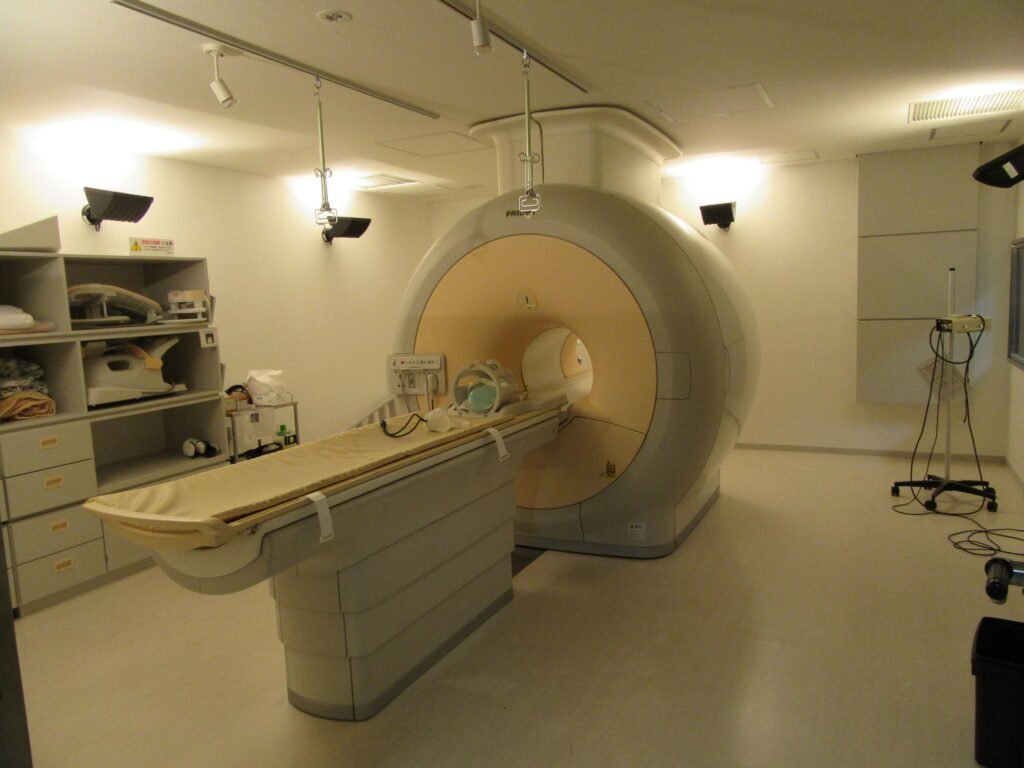
This guide covers the whole country. If you are already looking at one city, our earlier posts on knee replacement and spine surgery in Bangalore and brain tumour and spine neurosurgery costs in Bangalore go deeper on that city. For the bigger picture of travelling to India for treatment, see our complete guide to medical tourism in India.
Common spine procedures explained in plain words
Spine surgery is not one operation. The word covers many procedures, from a same-day cement injection into a broken vertebra to a long operation that straightens a curved spine. Knowing which one a surgeon is suggesting helps you compare quotes fairly.
The hospital stay figures below come from published patient information from hospitals in the UK and US. They show a typical pattern, not a promise. Stays in India for international patients are often planned a little longer, because surgeons like to see you a few times before you fly.
| Procedure | What it is, in simple terms | Typical hospital stay (source) |
|---|---|---|
| Discectomy / microdiscectomy | Removing the part of a slipped (herniated) disc that is pressing on a nerve, usually through a small cut using a microscope. | Most people go home the same day or the next day; longer if several levels are treated (Royal Orthopaedic Hospital, NHS) |
| Endoscopic spine surgery | A keyhole method using a thin camera tube through a very small cut, often for disc problems or narrowing. | Usually done as day surgery in that hospital’s experience (University of Utah Health) |
| Laminectomy (lumbar decompression) | Removing part of the bone at the back of a vertebra to make more room for squeezed nerves, often for spinal stenosis. | Around 2 to 5 days, depending on how it was done (NHS) |
| Spinal fusion | Joining two or more vertebrae so they heal as one solid bone, usually with screws, rods and cages. | Most patients stay 2 to 5 days after lumbar fusion (Michigan Medicine) |
| Artificial disc replacement | Replacing a worn disc with an artificial one to keep some movement, most often in the neck. | An overnight stay may be needed after cervical disc replacement (Cleveland Clinic) |
| Scoliosis correction | Straightening and fusing a curved spine with rods and screws, often in teenagers. | Around 3 days under one children’s hospital’s current protocol, down from about 5 (Norton Children’s) |
| Vertebroplasty / kyphoplasty | Injecting bone cement into a collapsed (compression) fracture of a vertebra; kyphoplasty first uses a small balloon to create space. | Usually same-day, outpatient procedures (Cleveland Clinic) |
Your own stay can be longer if you need ICU care, have other health conditions, or have surgery on several levels. Ask the hospital for its own expected stay in writing.
Spine surgery cost in India: what published sources say
There is no official national price list for spine surgery in India. The figures below come from insurers, health platforms and hospitals that publish cost guides. They differ because each uses different hospitals, cities and inclusions. Use them only to get a feel for the range.
| Source | What it covers | Published figure |
|---|---|---|
| Bajaj Finserv Health | Spinal surgery, national range across listed cities | About ₹1.4 lakh to ₹3.7 lakh; Bengaluru listed up to about ₹4 lakh |
| ManipalCigna Health Insurance | Spine surgery, average estimates | National average about ₹3 lakh; about ₹6 lakh in tier 1 cities; about ₹2.5 lakh in tier 2 cities |
| PACE Hospitals, Hyderabad | Spinal fusion in India | About ₹2.3 lakh to ₹6 lakh for standard cases; complex or robotic cases from about ₹9.4 lakh |
| Lyfboat (medical travel platform) | Endoscopic spine decompression for international patients | About USD 4,500 to 5,800 |
Two cautions. First, international patient desks at private hospitals may quote differently from the figures published for local patients, so always compare like with like. Second, these numbers usually cover the hospital bill only. Flights, visas, your stay outside hospital, food, a companion’s costs and follow-up are extra. Our guide to hospital costs in India explains how bills are usually built up.
What drives the cost up or down
- Type of procedure: a day-case microdiscectomy and a multi-level fusion are priced very differently.
- Number of levels: fusing or decompressing more vertebrae means more operating time and, for fusion, more implants.
- Implants: screws, rods, cages, artificial discs and bone graft material are often the single biggest variable. Imported and Indian-made implants can be priced very differently, so ask which brand is in the quote.
- Technology: robotic assistance, computer navigation and nerve monitoring during surgery can add to the bill.
- ICU days: some patients need a night or more in intensive care, especially after longer operations.
- Room category: in many Indian hospitals, the room type you choose affects not just the room rent but other charges too.
- City and hospital: large private hospitals in metro cities usually charge more than hospitals in smaller cities.
- Physiotherapy and follow-up: check how many physiotherapy sessions and review visits are included.
Before you sign anything, read our checklist on how to audit a hospital cost estimate. It shows what to look for in the small print, such as what happens if your stay runs longer than planned.
Start with a second opinion
Many back and neck problems settle without surgery. The NHS, for example, notes that sciatica often improves within weeks to a few months, and that decompression surgery is usually considered when pain is severe and other treatments, such as exercise, painkillers and physiotherapy, have not helped. Whether surgery is right for you is a decision for you and your doctors, not for a travel guide.
A second opinion from an Indian spine surgeon before you travel can confirm whether surgery is being recommended, which procedure, and why. It can also tell you if a less invasive option is worth discussing. Our guide to getting a second opinion from an Indian specialist before travel explains how this usually works online.
Questions to ask the surgeon
Write these down and ask them on your video consultation. Ask for the important answers by email so you have them in writing.
- What exactly is the diagnosis, and which levels of my spine are involved?
- Which procedure do you recommend, and are there other options, including non-surgical ones?
- Will you use implants? If so, which type and brand, and how many?
- Will you use robotic, navigation or endoscopic techniques, and do they change the cost?
- How many of this procedure does your team do each year?
- What are the main risks for someone with my health history?
- How many days in hospital, and how many in ICU, should I expect?
- How long should I stay in the city after discharge before flying home?
- What follow-up will I need at home, and can you share reports with my local doctor?
- What is included in the estimate, and what would cost extra if things do not go to plan?
Choosing a hospital: accreditation and experience
India has spine surgery teams in most major cities, including Delhi, Mumbai, Bangalore, Chennai and Hyderabad. A sensible shortlist looks at a few things together:
- Accreditation: NABH is India’s national hospital accreditation; JCI is an international one. Both look at safety systems and processes, not individual surgeons. Our guide on JCI vs NABH accreditation in India explains the difference.
- Surgeon background: spine surgery is done by both orthopaedic spine surgeons and neurosurgeons. Ask about their specific spine training and how often they perform your procedure.
- Support for your condition: if you have heart, kidney or diabetes issues, check the hospital has those specialists on site.
- International patient desk: a good desk helps with visa letters, airport transfers, interpreters and billing.
- Clear communication: how quickly and clearly they answer your questions before you travel is a good sign of how things may go later.
Documents and scans to send before you travel
A surgeon can only give a useful opinion and a realistic estimate if they see your actual scans, not just the reports. Send the following:
- Recent MRI of the affected area. Share the full images (DICOM files via a download link), not just photos of the film.
- The radiologist’s written MRI report.
- Any X-rays, CT scans or nerve conduction studies you already have, with dates.
- A short summary of your symptoms: where the pain is, how long you have had it, any numbness or weakness.
- Treatments already tried, such as physiotherapy, medicines or injections, and how well they worked.
- Your other conditions and current medicines, including blood thinners.
- Your passport copy for visa and estimate letters.
For the full list, including insurance papers, see our medical travel documents checklist. If you need a visa, start with our India medical visa guide.
Recovery and when you can fly home
There is no single rule on flying after spine surgery. Your surgeon decides when you are fit to fly, based on your wound, pain control, walking and general health. Long flights mean sitting still for many hours, which can be uncomfortable after back surgery and raises the general risk of blood clots in the legs.
As a rough planning guide only, some published sources suggest:
- Lyfboat’s guide for endoscopic decompression plans about 4 days in hospital and about 10 more days nearby, so around 15 days in India in total.
- One international hospital group’s patient guide says many fusion patients are cleared to fly roughly 10 to 14 days after surgery, once the wound is checked and walking is comfortable.
Treat these as starting points for booking flexible tickets, not as medical advice. Complex or multi-level surgery may need longer. When you do fly, ask your surgeon about walking in the aisle, compression stockings and what pain relief to carry. Before leaving, collect your discharge summary, operation notes, implant details and scan copies, and agree a plan for follow-up. Our guide to follow-up care after flying home covers this step.
A simple planning timeline
| Stage | What to do |
|---|---|
| Before deciding | Share MRI and reports for a second opinion; ask whether non-surgical options have been tried. |
| Comparing hospitals | Get two or three written, itemised estimates for the same procedure and implant type. |
| Before travel | Medical visa, travel insurance, flexible flights, accommodation near the hospital, a companion. |
| In India | Pre-surgery tests, surgery, hospital stay, then a few days to weeks nearby for wound checks and physiotherapy. |
| Going home | Fitness-to-fly clearance, full set of records, follow-up plan with your local doctor. |
How NEIMHAANS helps
NEIMHAANS is a non-clinical patient navigation service that has supported families travelling for treatment since 2007. We help you share reports with hospitals, collect and compare written estimates, plan visas, stays and transfers, and stay organised during recovery. We do not give medical advice or sell hospital packages. See our support packages to find out more.
Sources
- Bajaj Finserv Health: spinal surgery cost in India
- ManipalCigna Health Insurance: spine surgery cost in India
- PACE Hospitals: spinal fusion surgery cost in Hyderabad and India
- Lyfboat: spinal decompression surgery cost in India
- Royal Orthopaedic Hospital NHS: microdiscectomy patient information
- NHS: lumbar decompression surgery
- NHS: sciatica
- Michigan Medicine: lumbar spinal fusion patient information
- University of Utah Health: what to expect after endoscopic spine surgery
- Cleveland Clinic: artificial disc replacement
- Cleveland Clinic: vertebroplasty
- Norton Children’s: scoliosis spinal fusion hospital stay
- Acibadem International: spinal fusion recovery week by week
Frequently asked questions
How much does spine surgery cost in India?
Published guides give wide ranges: Bajaj Finserv Health lists spinal surgery at about ₹1.4 lakh to ₹3.7 lakh, while PACE Hospitals lists spinal fusion at about ₹2.3 lakh to ₹6 lakh, with complex or robotic cases higher. Your real cost depends on the procedure, levels, implants and hospital, so ask for a written estimate.
Why do spine surgery quotes in India vary so much?
Quotes vary mainly because of the number of spine levels treated, the type and brand of implants, the use of robotic or navigation technology, ICU days and the room category. Comparing quotes for the same procedure and implant type gives a fairer picture.
How long will I need to stay in India for spine surgery?
It depends on the procedure. Some keyhole procedures are day cases, while fusion often means a few days in hospital plus time nearby for wound checks. Lyfboat’s guide for endoscopic decompression plans about 15 days in India in total, but your surgeon should confirm your own timeline.
When can I fly home after spine surgery?
Your surgeon decides when you are fit to fly, based on your wound, pain and walking. One international hospital group’s guide says many spinal fusion patients are cleared around 10 to 14 days after surgery, so book flexible tickets.
Should I get a second opinion before spine surgery in India?
A second opinion is a sensible step before travelling, because many back and neck problems are first managed without surgery. An Indian spine surgeon can review your MRI online and tell you whether surgery is being advised and which type.
What should I send to an Indian hospital for a spine surgery estimate?
Send your full MRI images (DICOM files), the radiologist’s report, any X-rays or CT scans, a short summary of symptoms and past treatments, your other conditions and medicines, and a passport copy.
Is NABH or JCI accreditation important for spine surgery?
NABH and JCI accreditation show that a hospital follows recognised safety and quality systems. They do not rate individual surgeons, so also check the spine team’s training and experience with your procedure.
This article is general information, not medical, legal, insurance or financial advice. Rules, schemes and hospital policies change, so always confirm details with your hospital, insurer or the relevant authority.