Quick answer: The Ayush visa is a category the Government of India introduced in 2023 for foreign nationals coming for treatment under Ayush systems, including Ayurveda, Yoga and Naturopathy, Unani, Siddha and Homoeopathy. You can apply through an Indian mission for a regular Ayush visa (AY-1 for the patient, AY-2 for up to two attendants), or online, where the official e-Visa website lists Ayush treatment under the e-Medical Visa for e-Ayush purpose. You need a letter from an accredited or registered Ayush centre in India.
What “Ayush” means
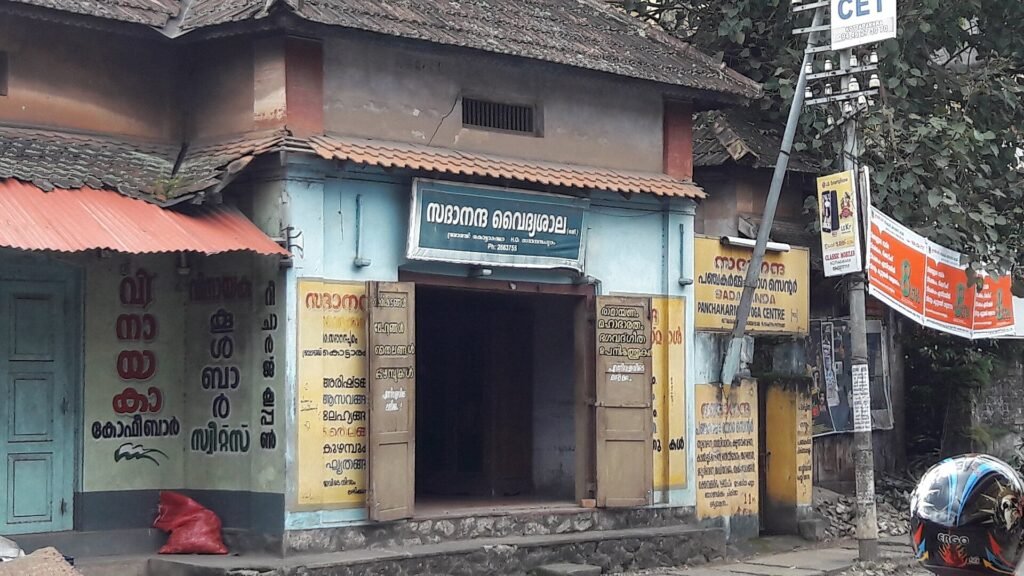
Ayush is the Indian government’s name for its traditional and complementary systems of medicine: Ayurveda, Yoga and Naturopathy, Unani, Siddha and Homoeopathy. These systems are regulated in India, and the government promotes them internationally as part of its Heal in India initiative. Kerala in particular is known for Ayurvedic treatment centres.
The two ways to apply
| Route | Who applies | How |
|---|---|---|
| Regular Ayush visa (AY-1 and AY-2) | Patient (AY-1) and up to two attendants (AY-2) | Through an Indian mission, for example as described by the High Commission of India, London |
| e-Visa route | Patient and attendants | On the official e-Visa website, where Ayush treatment is listed as e-Medical Visa (for e-Ayush purpose) and attendants as e-Medical Attendant Visa (for e-Ayush attendant purpose) |
Visa categories and rules are updated from time to time, so check the official website or your nearest Indian mission before applying.
Requirements
- A recognised centre. Indian missions state that the wellness hospital or centre should be accredited or registered with the relevant government authority, or accredited by bodies such as NABH, the National Commission for Indian System of Medicine (NCISM) or the National Commission for Homoeopathy (NCH), for Ayush services.
- A letter from the centre on its letterhead, with the proposed dates of treatment. The e-Visa website asks for this for the e-Ayush purpose.
- Proof of financial means, such as a return ticket and enough money for your stay and treatment.
- A valid passport with at least six months’ validity and blank pages.
Attendants and family
Not more than two attendants or family members may be granted attendant visas linked to the patient’s Ayush visa. According to Indian missions, the patient and attendants are expected to leave India together when treatment is complete or the visa expires.
Ayush visa, e-Medical visa or e-Tourist visa?
| Purpose | Usual visa route |
|---|---|
| Treatment under Ayurveda, Yoga, Unani, Siddha or Homoeopathy at a recognised centre | Ayush visa, or e-Medical Visa for e-Ayush purpose |
| Treatment in a modern hospital, such as surgery or cancer care | e-Medical Visa. See our medical visa guide |
| A short-term yoga programme or course, not treatment | e-Tourist Visa, which the official rules allow for short-term yoga programmes |
How many Ayush visas have been issued?
Numbers are still small. The government reported that 123 regular Ayush visas and 221 e-Ayush visas were issued between July 2023 and December 2024, according to a Parliament reply reported by Lokmat Times. For wider figures, see medical tourism statistics for India.
Choosing a centre and staying safe
- Check registration and accreditation before you book, and ask for proof.
- Share your full medical history, including current medicines, with the Ayush practitioner.
- Do not stop prescribed medicines without speaking to the doctor who prescribed them.
- Tell your regular doctor about your plans, especially if you have a serious condition.
- Keep modern and traditional treatment separate unless both sets of doctors agree. Our Kochi guide explains why this matters.
- Get the plan and costs in writing, including accommodation and food at the centre.
Combining Ayush with other treatment
Some patients come to India for modern hospital treatment and later want a wellness or recovery stay. If you plan both, discuss the order and timing with your surgeon first, and check which visa suits the whole trip. See post-surgery recovery retreats in India and our complete guide to medical tourism in India.
What a typical Ayush treatment stay involves
Many Ayurvedic and naturopathy programmes run for one to several weeks at a centre, with daily therapies, a set diet and rest. The centre usually assesses you on arrival and adjusts the plan. Ask in advance how long the programme lasts, what a typical day looks like, whether accommodation and meals are included, and what medical supervision is available if you have a health problem during your stay.
Costs to plan for
- The treatment programme and consultations
- Accommodation and meals, if not included
- Medicines or preparations used during and after the stay
- Visa fees, flights and local transport
- Stay and food for any attendant
Ask for a written estimate that lists each of these before you travel.
How NEIMHAANS helps
NEIMHAANS is a non-clinical healthcare concierge supporting families travelling for treatment since 2007. We can help you check a centre’s registration, organise documents for your visa application, and plan travel and stay. We do not provide or recommend medical treatment. See our services.
Sources
- Government of India: official e-Visa information, including e-Ayush purpose
- High Commission of India, London: Ayush (AY) visa requirements
- Lokmat Times: Ayush visas issued July 2023 to December 2024 (Parliament reply)
Frequently asked questions
What is the Ayush visa?
A visa category introduced by the Government of India in 2023 for foreign nationals travelling for treatment under Ayush systems, such as Ayurveda, Yoga and Naturopathy, Unani, Siddha and Homoeopathy.
Can I apply for an Ayush visa online?
Yes. According to Indian missions, Ayush visas can be applied for as regular paper visas and through the e-Visa portal. On the official e-Visa website, Ayush treatment is listed under the e-Medical Visa for e-Ayush purpose, with attendants under the e-Medical Attendant Visa.
Can family members come with me?
Yes. Not more than two attendants or family members may be granted attendant visas linked to the patient’s visa, and they are expected to leave India with the patient.
Do I need an Ayush visa for a yoga retreat?
Not necessarily. The official e-Visa rules allow attending a short-term yoga programme on an e-Tourist Visa. The Ayush visa is for treatment under Ayush systems.
What does the treatment centre need to have?
Indian missions state that the wellness hospital or centre should be accredited or registered with the relevant government authority, or accredited by bodies such as NABH, NCISM or NCH, for Ayush services.
This article is general information, not medical, legal, insurance or financial advice. Rules, schemes and hospital policies change, so always confirm details with your hospital, insurer or the relevant authority.