Quick answer: Eye surgery in India for international patients usually means cataract surgery, laser vision correction (LASIK, SMILE and similar), retina surgery or a cornea transplant at a specialist eye hospital. The surgery itself is often short, but the time you must stay in India before flying home can range from a day or two to several weeks, depending on the procedure. The most important rule is this: if a gas bubble is put in your eye during retina surgery, you must not fly until your surgeon confirms the bubble has gone. Ask for a written plan with the expected stay, total cost and follow-up schedule before you book any flights.
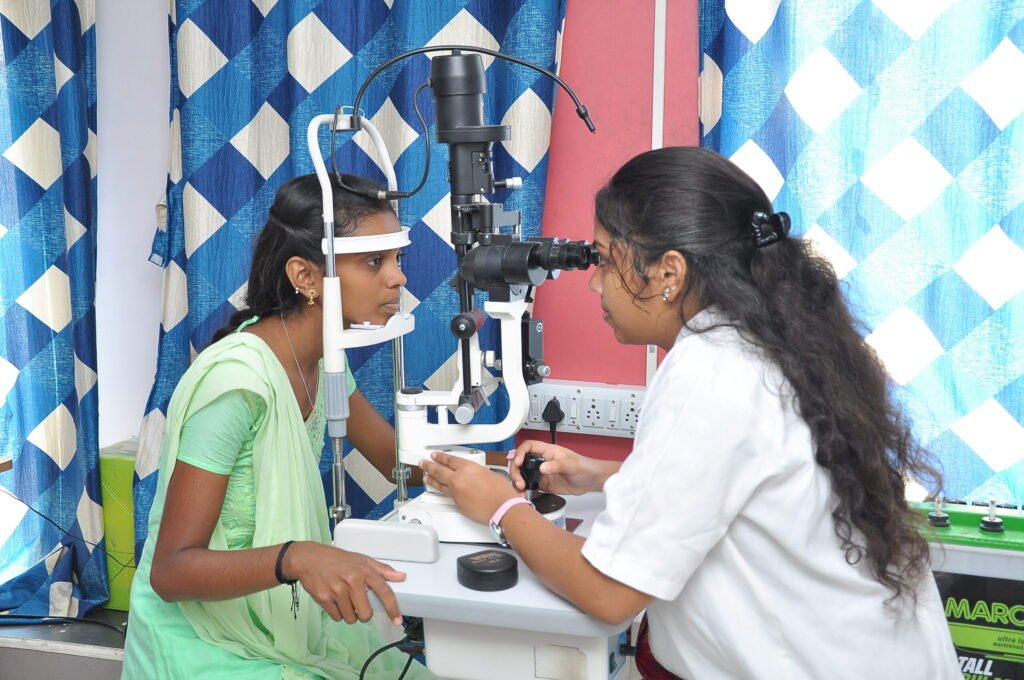
This guide explains each type of eye surgery in plain words, what decides the cost, which well-known Indian eye hospitals say they serve overseas patients, and how to plan your follow-up once you are home. It sits within our complete guide to medical tourism in India.
The main types of eye surgery, explained simply
Eye surgery is not one thing. A cataract operation and a cornea transplant are very different in how long you stay, how many check-ups you need and what can go wrong on a flight. The table below gives a plain summary. The “before flying” column is based on published medical guidance, but your own surgeon’s advice always comes first.
| Procedure | What it is | Before flying home (published guidance) |
|---|---|---|
| Cataract surgery | The cloudy natural lens is removed and replaced with an artificial lens (an intraocular lens, or IOL). Usually done as a day case under local anaesthetic. | GPnotebook lists at least 24 hours for cataract surgery. Most hospitals will want to see you at an early check-up first. Each eye is usually done on a separate day. |
| Laser vision correction (LASIK, SMILE, PRK, Contoura) | A laser reshapes the cornea (the clear front window of the eye) to reduce the need for glasses. Some people get a lens implant (ICL) instead. | GPnotebook lists at least 24 hours after corneal laser surgery. Plan to stay until your first post-operative review is done. |
| Retina surgery with a gas bubble (for example vitrectomy for retinal detachment or macular hole) | The surgeon works on the back of the eye and may fill the eye with gas to hold the retina in place while it heals. | No flying until the bubble has gone. GPnotebook and the Aerospace Medical Association give a minimum of about 2 weeks for SF6 gas and about 6 weeks for C3F8 gas. A surgeon must confirm it is safe. |
| Cornea transplant (keratoplasty) | Damaged cornea tissue is replaced with donor tissue from an eye bank. It can be the full thickness or only some layers. | No single published rule. The NHS says check-ups start in the first week and continue every few months for one to two years, so plan the follow-up before you travel. |
Why the gas bubble warning matters so much
An aircraft cabin is pressurised to a lower pressure than at ground level. Gas inside the eye expands as pressure drops. That can raise the pressure inside the eye sharply, cause severe pain and put your sight at risk. Leeds Teaching Hospitals NHS Trust tells patients with gas in the eye not to fly until a doctor says it is safe, and notes the gas can take roughly one to four weeks to absorb depending on the type used. The same leaflet says you must tell any anaesthetist about the bubble if you need a general anaesthetic, because some anaesthetic gases can make it expand.
For international patients this has a practical meaning: if retina surgery is possible, budget for a stay of several weeks, not days. Ask the surgeon which gas (if any) they expect to use and get the “fit to fly” decision in writing at your final review. Some hospitals give patients a fitness-to-fly certificate on discharge. Sankara Nethralaya, for example, says it provides this for certain overseas patient groups.
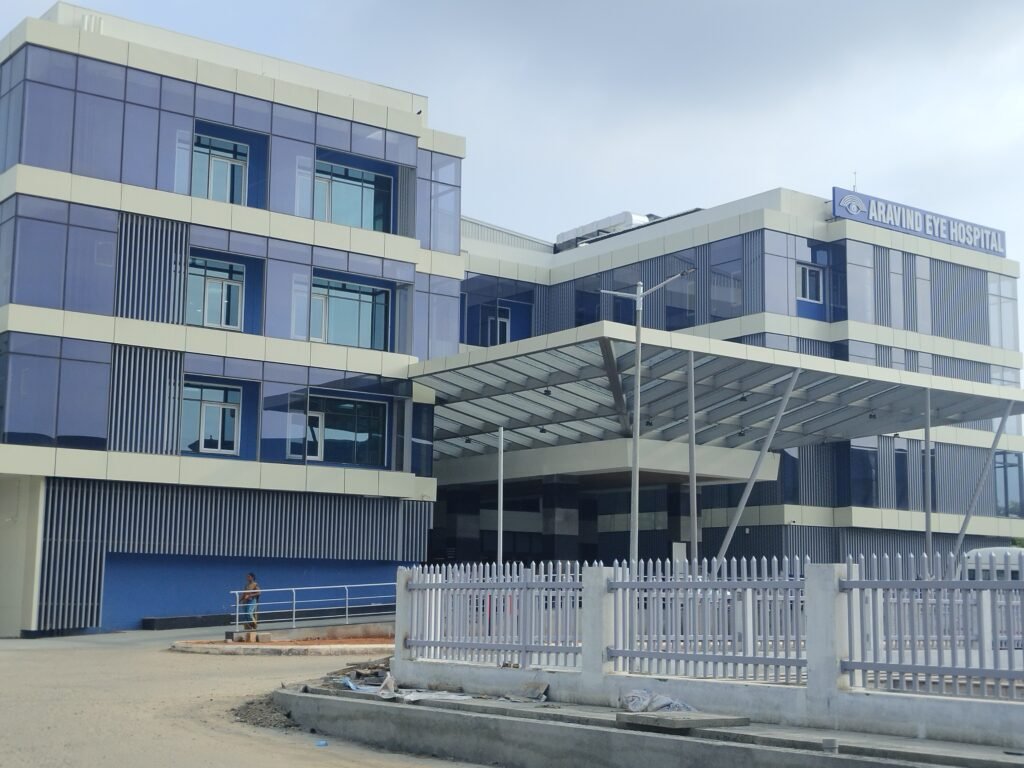
Well-known eye hospitals in India that serve overseas patients
India has several large, dedicated eye hospital networks. The three below each publish a process for international patients on their official websites. This is not a ranking, and other good hospitals exist. For a wider view, see our guide to the best hospitals in India for international patients.
| Hospital | City | What its international page says |
|---|---|---|
| L V Prasad Eye Institute (LVPEI) | Hyderabad, Telangana | An Overseas Patient Desk reviews your reports and referral letter. If doctors advise treatment in person, LVPEI issues an invitation letter for your medical visa application. It also runs the Ramayamma International Eye Bank. |
| Aravind Eye Hospital | Madurai, Tamil Nadu (plus other centres) | Send your details and reports through an enquiry form first. Aravind says it then shares a treatment plan with an approximate length of stay and total cost, and a visa invitation letter. |
| Sankara Nethralaya | Chennai, Tamil Nadu | An International Patient Services team arranges specialist appointments, and can help with airport pickup and accommodation. It reviews medical history before travel to check whether treatment is feasible. |
A few useful details from these official pages:
- Visa: Aravind says all overseas patients except citizens of Nepal and Bhutan need a medical visa. Sankara Nethralaya says an eye examination is possible on a tourist visa, but a medical visa is needed for surgery. Read our India medical visa guide and confirm with the hospital before you apply.
- Insurance: Aravind says it accepts only two foreign insurers directly (the Armed Forces of the Sultanate of Oman and Aasandha of the Maldives), so most patients should expect to pay and claim back later.
- Payment: Aravind accepts major credit cards and helps with currency exchange. Policies differ by hospital, so ask.
Cornea transplants and eye banks in India
A cornea transplant depends on donated tissue, so availability matters as much as the surgeon. India has a large need for donor corneas, and supply is uneven across the country. A September 2026 report in The South First quoted an AIIMS specialist saying that Tamil Nadu, Kerala, Telangana and Andhra Pradesh have relatively good eye collection systems and shorter waits, while some other regions report waits of six months to a year.
Large eye banks exist inside major institutes. LVPEI says its Ramayamma International Eye Bank, set up in 1989, harvested 6,912 corneas in 2024 and supplied 4,016 for transplants that year. These are the institute’s own figures.
What this means for you:
- Ask the hospital in writing how donor tissue is allocated and how long the wait is likely to be for your case.
- Ask whether your transplant is full thickness or partial (layered). The NHS says vision can take up to 6 months to settle after an inner-layer transplant, up to 18 months after outer and middle layers, and up to 2 years after a full-thickness transplant.
- Stitches are often left in for months and removed at later visits, so you need a clear plan for who removes them and where.
- Rejection can happen months or years later. The NHS lists warning signs: a red eye, pain, light sensitivity, blurred vision, floaters, flashes or a shadow in your vision. Agree in advance who you will call if this happens at home.
What drives the cost of eye surgery in India
Prices vary a lot between hospitals, cities and the exact technology used. The ranges below come from Indian hospital or insurer pages. They are indicative only and may not include tests, medicines, follow-up visits, hotel stays or any international patient fees. Always get a written, itemised estimate.
| Procedure | Main cost drivers | Published range (attributed) |
|---|---|---|
| Cataract surgery | Technique (standard phaco, micro-incision, femtosecond laser-assisted) and lens type. Monofocal lenses are the basic option; toric lenses correct astigmatism; multifocal and EDOF lenses aim to reduce the need for reading glasses. | According to Centre for Sight, phaco surgery costs about ₹15,000 to ₹60,000, laser-assisted surgery about ₹70,000 to ₹2,00,000, and premium lenses (toric, multifocal, EDOF) can add about ₹50,000 to ₹1 lakh per eye. |
| LASIK and other refractive surgery | Laser platform (standard LASIK, femto-LASIK, Contoura, SMILE), or a lens implant (ICL) for people not suited to laser. | According to Centre for Sight, from about ₹35,000 up to about ₹2,60,000 depending on the method, with pre-op tests, drops and follow-up often billed separately. |
| Retinal detachment surgery | Type of surgery, whether gas or silicone oil is used, city tier, surgeon experience and urgency. | ManipalCigna gives an indicative average of about ₹95,000, with tier-1 city figures around ₹1,60,000. |
| Cornea transplant | Full-thickness versus layered technique, donor tissue processing, length of follow-up and any extra procedures. | We did not find a reliable published range. Ask for a written estimate that lists tissue charges separately. |
For international patients, the surgery fee is often only part of the bill. Add the extra days you must stay (especially after retina surgery), accommodation for you and a companion, local travel, and the cost of follow-up at home. Our guides on checking a hospital cost estimate and budget stays near the hospital can help.
Questions to ask before you travel
Getting answers before you fly prevents most surprises. Sending your reports for a review first, as LVPEI and Aravind both ask, is a sensible starting point. Our article on getting a second opinion from an Indian specialist before travel explains how to prepare.
- Which exact procedure do you recommend, and are there other options for my eye?
- If it is cataract surgery, which lens type do you suggest, and what is the price difference between lens options?
- If it is laser surgery, which tests will confirm I am suitable, and what happens if I am not?
- If retina surgery is likely, will you use gas or silicone oil, and how many weeks should I plan to stay?
- For a cornea transplant, how long is the likely wait for donor tissue, and who will remove stitches later?
- How many check-ups do I need in India before I can fly, and will I get a written fitness-to-fly note?
- Will both eyes be treated on this trip, and how many days apart?
- What is included in the estimate, and what is billed separately (tests, drops, follow-up visits)?
- Who do I contact after I go home if something feels wrong?
Follow-up after you fly home
Eye surgery needs aftercare. The NHS says cataract patients usually use eye drops for about four weeks, and that your glasses prescription may change afterwards. Cornea transplant patients need check-ups for one to two years. Before you leave India, collect:
- A discharge summary with the procedure, lens or implant details, and any gas or oil used.
- Your full medicine schedule, with enough drops to last until you see a local eye doctor.
- Contact details for the treating surgeon or international desk, and how they prefer to be reached.
- A booked appointment with an eye specialist at home, ideally within the window your surgeon suggests.
The NHS lists sudden floaters, flashes of light, a shadow or curtain over your vision, or sudden blurring as signs that need urgent care. Seek local help straight away rather than waiting to contact India. Read more in our guide to post-treatment follow-up after flying home.
How NEIMHAANS helps
Since 2007, NEIMHAANS has helped families travel for treatment in South India. We are a non-clinical concierge: we do not give medical advice, but we help you share reports with hospitals, compare written estimates, plan stays for the full recovery period and organise local support. We work in cities with major eye hospitals, including Hyderabad and Chennai. See our support packages.
Sources
- L V Prasad Eye Institute: International patients
- L V Prasad Eye Institute: Ramayamma International Eye Bank
- Aravind Eye Hospital: For international patients
- Sankara Nethralaya: International patients care
- Sankara Nethralaya: International Patient Service
- Leeds Teaching Hospitals NHS Trust: Air or gas in the eye after vitreo-retinal surgery
- GPnotebook: Eye surgery and air travel
- Aerospace Medical Association: Ophthalmological conditions and air travel (PDF)
- NHS: Cornea transplant recovery
- NHS: Cataract surgery recovery
- NHS: Laser eye surgery and lens surgery
- The South First (September 2026): Waiting times for corneas in India
- Centre for Sight: Cataract surgery cost in India
- Centre for Sight: LASIK surgery cost in India
- ManipalCigna: Retinal detachment surgery cost in India
Frequently asked questions
How soon can I fly home after cataract surgery in India?
Published aviation guidance lists at least 24 hours after cataract surgery, but most hospitals want to see you at an early check-up first. Follow your surgeon’s advice and plan a few extra days in case a review is needed.
Can I fly after retina surgery with a gas bubble?
No, you must not fly until your surgeon confirms the gas bubble has gone. Published guidance gives a minimum of about 2 weeks for SF6 gas and about 6 weeks for C3F8 gas, because the bubble expands at cabin pressure and can damage the eye.
Do I need a medical visa for eye surgery in India?
For surgery, usually yes. Aravind says all overseas patients except citizens of Nepal and Bhutan need a medical visa, and Sankara Nethralaya says a medical visa is needed for surgery, so confirm with your chosen hospital before you apply.
Which eye hospitals in India accept international patients?
L V Prasad Eye Institute in Hyderabad, Aravind Eye Hospital in Madurai and Sankara Nethralaya in Chennai all publish international patient processes on their official websites. Each asks you to send reports first and can issue a visa invitation letter if treatment is advised.
What affects the cost of cataract surgery in India?
The main factors are the surgical technique and the lens type. Monofocal lenses are the basic option, while toric, multifocal and EDOF lenses cost more; Centre for Sight says premium lenses can add about ₹50,000 to ₹1 lakh per eye.
Is it hard to get a cornea transplant in India as a foreign patient?
It depends on donor tissue availability, which varies by region and hospital. Southern states are reported to have stronger eye bank networks, but you should ask the hospital in writing about likely waiting time and how tissue is allocated.
How long is follow-up after a cornea transplant?
The NHS says follow-up usually starts in the first week and continues every few months for one to two years or longer. Arrange an eye specialist at home before you travel, as stitches may need removing months later.
This article is general information, not medical, legal, insurance or financial advice. Rules, schemes and hospital policies change, so always confirm details with your hospital, insurer or the relevant authority.